
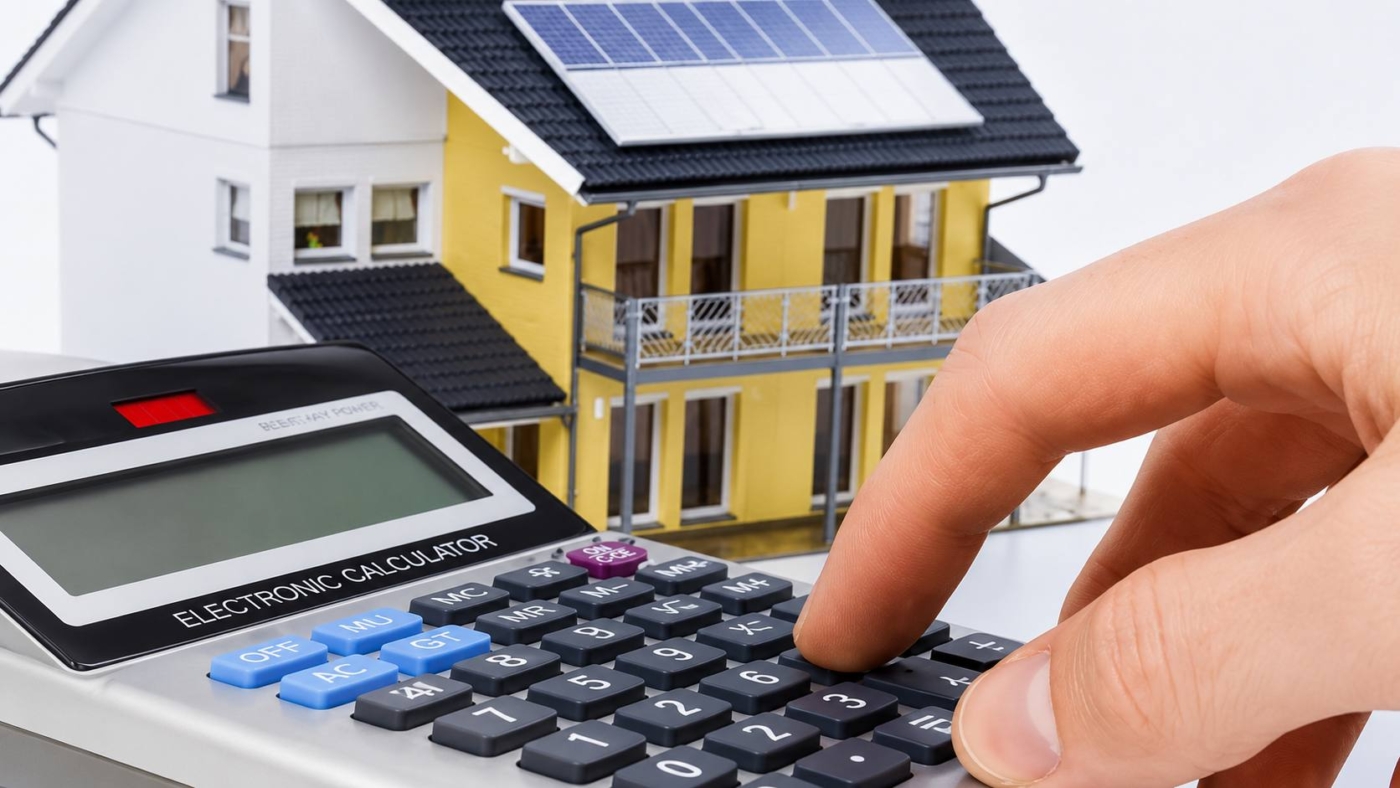
Real estate valuation is far more complex than simply comparing the price per square meter with similar properties on the market. The true value of an asset is formed at the intersection of multiple factors – from architectural quality and location to liquidity, environmental conditions, and future growth potential. Architect Raúl Llorente emphasizes that professional property valuation must take into account not only the current market price of an asset, but also its hidden characteristics that may influence long-term capitalization. At RentSale RealEstate, we see this as a fundamental approach to asset analysis, because strong valuation is built not on superficial metrics, but on a deep understanding of the property’s real value.
One of the core factors in determining value remains location. However, the modern market shows that geography alone no longer provides a complete picture. Even within the same district, property values can differ significantly depending on transport accessibility, noise levels, infrastructure quality, views, and the overall perception of the surrounding environment. Proximity to the sea, parks, business centers, or prestigious educational institutions can create a significant premium in value. At the same time, negative factors such as congested roads, poor environmental conditions, or chaotic urban development can reduce market appeal even in formally strong locations.
An equally important parameter is the architectural quality of the property itself. Layout, ceiling height, volume of natural light, window orientation, spatial functionality, and overall quality of design solutions directly influence how buyers perceive real estate. Two properties of identical size may have completely different market values purely because of the quality of their internal architecture. At RentSale RealEstate, we analyze spatial characteristics as a key valuation factor, since architectural logic often determines future liquidity and demand stability.
Special attention should be given to hidden value drivers that may not be obvious during initial analysis. These include engineering system quality, energy efficiency, sound insulation, privacy, the condition of shared spaces, and even the overall management of the property. These parameters are rarely reflected directly in marketing materials, yet they significantly affect the real value of an asset. We note that hidden characteristics are often what separate an overpriced property from a genuinely strong investment asset.
Market liquidity also plays a critical role. Property value should be evaluated not only through its potential selling price today, but also through the speed and ease of future resale. Even highly expensive real estate may have weak liquidity if demand for comparable assets is limited. At RentSale RealEstate, we believe a strong asset must preserve attractiveness across different market cycles, giving owners flexibility for sale, rental, or portfolio restructuring.
It is particularly interesting to observe how capitalization potential is formed. Not all real estate appreciates at the same rate. Some assets may have already reached their price ceiling, while others hold strong growth potential due to infrastructure development, urban transformation, or rising demand within specific market segments. The ability to identify future growth drivers allows real estate to be evaluated strategically rather than purely through current numbers.
The emotional factor of the market also carries substantial influence. Buyers do not always make decisions based solely on rational calculations. Perception of space, property aesthetics, sense of status, and environmental quality can significantly influence market pricing. This is especially visible in the premium segment, where emotional value often becomes an important component of pricing. We emphasize that accurate valuation requires understanding both rational and behavioral drivers of demand.
We also note that professional real estate valuation is impossible without analyzing the broader macro-market context. Interest rates, cost of capital, inflation, and overall economic dynamics influence asset valuations no less than the characteristics of the property itself. Strong valuation is always built on the combination of micro- and macro-level analysis.
For Rent Sale Real Estate, real estate valuation represents a comprehensive analytical model that combines market data, architectural quality, hidden value factors, and future capitalization potential. We emphasize that the most accurate valuation emerges where numerical analysis is complemented by deep understanding of the nature of the asset. It is this approach that makes it possible to identify the true value of real estate and make strategically strong investment decisions.
Previously, we wrote about Residential property grounds – the RentSale RealEstate approach to evaluating outdoor space as a factor of comfort, status and market appeal