
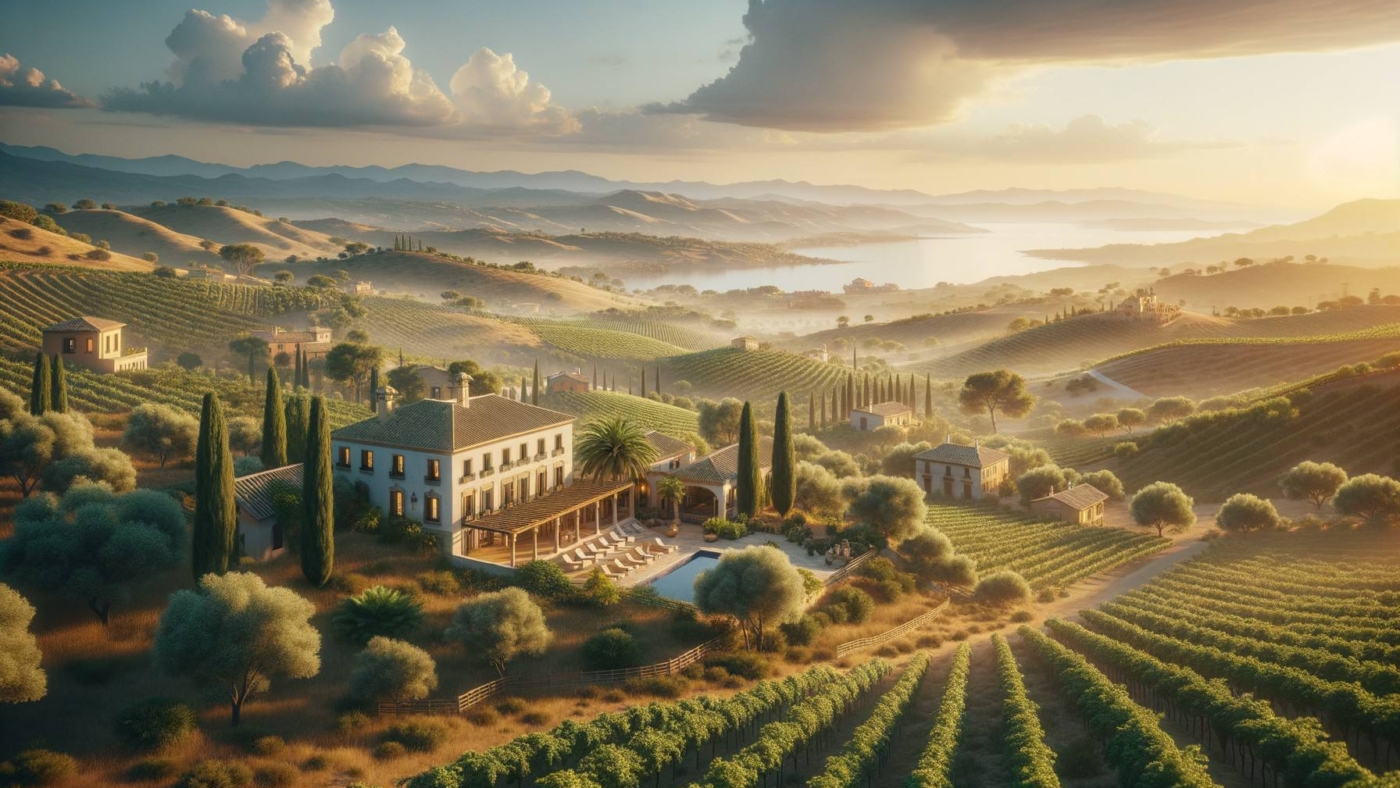
Interest in rural property across Spain has been steadily increasing as lifestyle preferences and investment approaches continue to evolve. According to architect Raul Llorente, the restoration of historic houses and the revitalization of small towns are becoming important components of modern territorial development strategies. In his view, the renovation of traditional architecture not only preserves cultural heritage but also opens new opportunities for sustainable regional growth. Within the analytical perspective of RentSale RealEstate, projects focused on restoring historic rural properties are considered factors that may stimulate demand for real estate and create long-term investment potential.
In many Spanish regions, historic farmhouses and traditional village homes are attracting the attention of investors. These buildings often represent valuable architectural heritage and reflect the cultural traditions of their local communities. Restoring such properties allows them to be adapted for modern living while preserving their historical identity. As a result, these houses gain a second life, and the surrounding settlements gradually become more appealing to both residents and investors.
Investment in rural property renovation is frequently accompanied by improvements in local infrastructure. In small towns and villages, new services, tourism facilities, and public spaces often emerge alongside restoration projects. These developments gradually enhance living conditions in rural areas and create incentives for new residents to settle outside large urban centers. According to observations by RentSale RealEstate, these transformations can contribute to more stable demand for residential property in rural locations.
Another important factor is the changing priorities of property buyers. Increasingly, people are considering the possibility of living beyond major metropolitan areas, where a quieter environment and closer connection to nature are available. Rural regions offer a slower pace of life as well as the opportunity to own larger homes with surrounding land. This makes such locations attractive both for permanent residence and for seasonal living.
The renovation of historic houses also supports the development of local economies. Restoration projects create employment opportunities for architects, builders, and specialists in heritage preservation. At the same time, renovated buildings are often converted into boutique hotels, agritourism properties, or cultural venues. In the professional practice of RentSale RealEstate, such initiatives are viewed as examples of how real estate investment can stimulate broader economic development across entire regions.
The cultural dimension is equally important. Historic buildings shape the distinctive character of rural settlements and reflect the traditions of each region. Preserving architectural heritage strengthens local identity and supports the growth of cultural tourism. This dynamic, in turn, increases interest in property located in these areas.
Regional programs supporting the restoration of historic buildings also play a role. In several Spanish regions, initiatives have been launched to preserve architectural heritage while encouraging the revitalization of rural territories. Such programs create additional opportunities for investors and contribute to the growth of restoration projects.
As these initiatives progress, small towns gradually experience renewed development. Restored properties often become focal points around which new services and infrastructure appear. According to Rent Sale Real Estate, investment in rural real estate restoration may contribute to long-term regional development and generate sustained interest in these locations.
In the long run, the restoration of historic houses and the revitalization of small settlements may play an increasingly important role in shaping Spain’s property market. The combination of cultural heritage, natural surroundings, and investment potential makes rural real estate an increasingly attractive direction for both buyers and investors.
Previously we wrote about Urban green infrastructure – why residential areas near parks and natural landscapes show more stable price growth