
photo_2026-01-09_16-34-06

Neighborhood as a quality-of-life factor – what RentSale RealEstate evaluates beyond the property itself

When choosing real estate, most buyers focus on the property itself – layout, size, condition, and price. However, the practical experience of RentSale RealEstate shows that the surrounding neighborhood often plays a decisive role in the actual quality of life after purchase. Architect Raul Llorente has repeatedly emphasized that even a technically strong property can lose much of its value if it is located within an unsuitable environment.

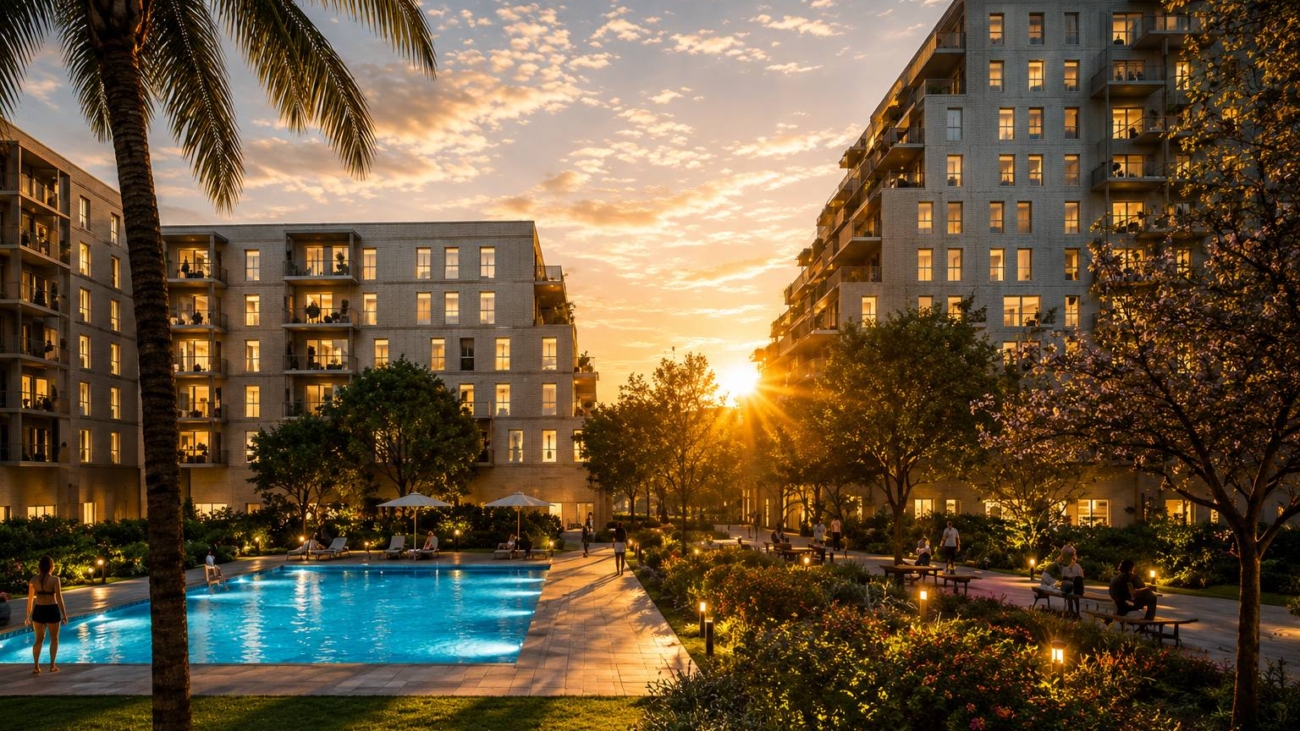
Neighborhood is not an abstract concept, but a combination of factors that influence comfort, safety, and the emotional perception of space on a daily basis. At RentSale RealEstate, the analysis begins with an assessment of functional surroundings – how the area operates at different times of the day. Residential districts with heavy tourist activity may appear attractive during viewings, yet over time they can generate excessive noise and an unstable living environment.

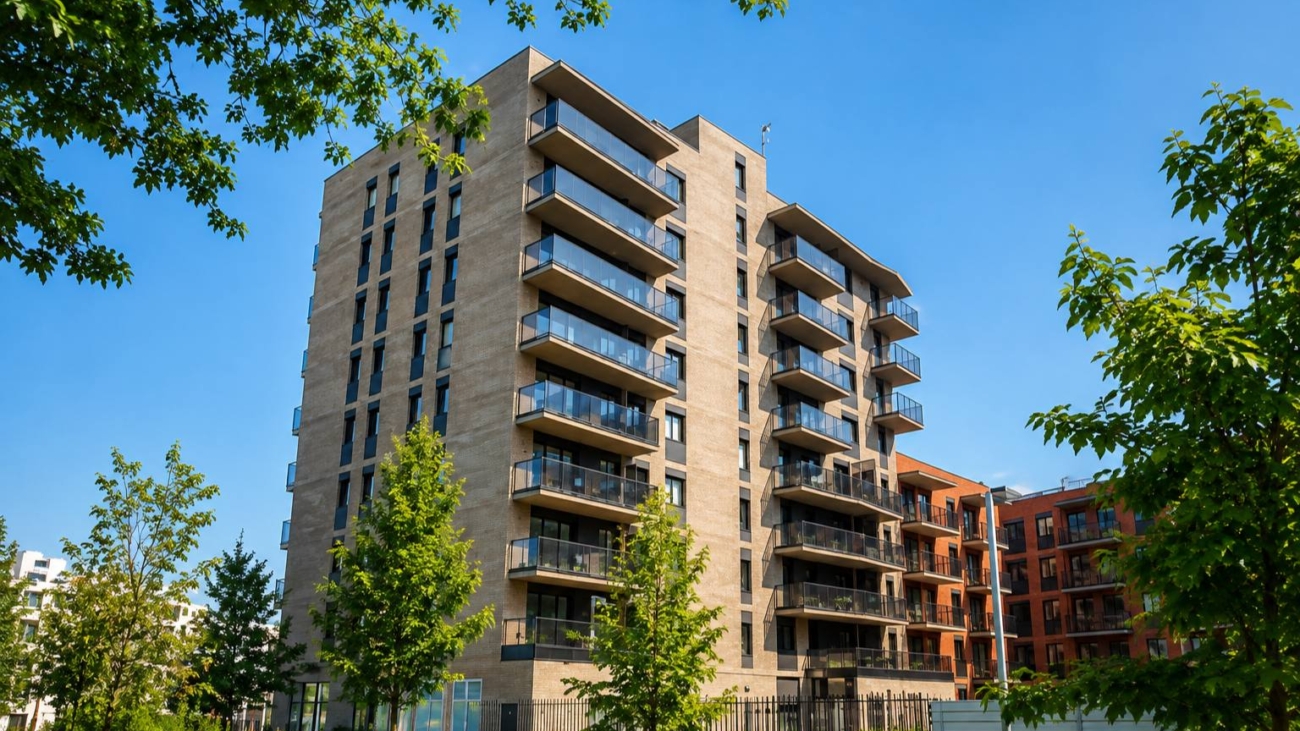
Particular attention is paid to the type of development and the composition of neighboring properties. The presence of bars, nightlife venues, commercial premises, or offices within the same building can significantly alter everyday living scenarios. Specialists at RentSale RealEstate assess not only the current situation, but also potential changes – including shifts in tenants, expansion of commercial activity, or redevelopment of nearby buildings.

Another critical factor is the profile of residents within the building. Permanent owner-occupiers, long-term tenants, or a predominance of short-term tourist rentals create entirely different levels of privacy, responsibility, and care for shared spaces. At RentSale RealEstate, these parameters are considered part of a long-term ownership strategy rather than secondary details.

The acoustic environment is equally important. Noise levels are shaped not only by the street, but also by the building’s internal structure – floor thickness, placement of elevator shafts, waste systems, and technical rooms. Neighborhood analysis therefore includes these elements, as they directly affect daily comfort.

Local infrastructure also plays a key role. Proximity to schools, medical facilities, green areas, and transport hubs can enhance quality of life, while simultaneously increasing pressure on the neighborhood. RentSale RealEstate evaluates this balance carefully – determining whether infrastructure genuinely serves residents or creates excessive pedestrian and traffic flows.

An additional layer of analysis involves urban development prospects. Planned construction projects, changes in transport routes, or the expansion of tourist zones can dramatically alter the character of a neighborhood within just a few years. For this reason, specialists at RentSale RealEstate always review municipal development plans to eliminate unpleasant surprises after purchase.

Based on our experience, careful attention to neighborhood factors helps avoid situations where a property meets all formal criteria yet fails to provide a sense of stability and comfort. RentSale RealEstate approaches real estate not as an isolated asset, but as part of a living environment where external factors directly influence long-term value and ownership quality.

Previously, we wrote about Active new construction in Barcelona – how RentSale RealEstate analyzes the primary market and selects promising projects.

photo_2026-01-09_16-29-35

Property ownership in Spain – what recurring costs, obligations, and ownership nuances are important to understand in advance

Purchasing property in Spain is often perceived as the final step – the asset is selected, the paperwork is completed, and the keys are handed over. However, as architect Raul Llorente notes, the most substantial and long-term phase begins after the transaction – the ownership and operation stage. In the practice of RentSale RealEstate, we regularly encounter situations where buyers underestimate the importance of future costs and responsibilities, focusing primarily on the purchase price rather than the full picture of ownership.

Property ownership in Spain is shaped by several interconnected components – technical, financial, and administrative. Even assets of a similar category and size can have fundamentally different cost structures depending on the year of construction, engineering solutions, and the building’s management model. This is why evaluating operational expenses is an integral part of professional property analysis.

One of the core elements of ownership is utility costs. Electricity, water, and gas are billed based on actual consumption, with tariffs varying by provider and seasonal demand. Given Spain’s climate, heating and air-conditioning expenses can significantly affect the overall cost of ownership. At RentSale RealEstate, these parameters are assessed in advance, taking into account orientation, insulation quality, and the property’s engineering specifications.

Special attention should be given to the comunidad system – a mandatory monthly contribution for the maintenance of common areas. This typically includes elevator servicing, lighting of shared spaces, cleaning, routine maintenance, and management company fees. The amount is directly linked to the building’s infrastructure – such as swimming pools, concierge services, underground parking, or gated territories. RentSale RealEstate evaluates not only the level of these fees but also the efficiency of property management, as it directly impacts the long-term condition of the asset.

Tax obligations are another essential component of ownership. Property owners are required to pay the annual municipal property tax (IBI) and may face additional fiscal responsibilities related to rental activity or tax residency status. A clear understanding of these obligations allows the property to be integrated into a transparent and realistic financial ownership model.

The technical condition of the building plays a decisive role in future expenses. Older properties often require ongoing investments in façades, roofing, and engineering systems. New developments typically offer more predictable maintenance but may involve higher monthly service charges. At RentSale RealEstate, such factors are always assessed holistically rather than in isolation.

Additional costs may include insurance, servicing of climate-control systems, and adapting the property to personal or rental-use scenarios. In this context, property operation moves beyond a purely technical issue and becomes a strategic element of ownership planning.

Based on our experience, a well-structured approach to property operation helps avoid unexpected expenses while preserving the asset’s long-term liquidity. RentSale RealEstate views each property not only as a purchase but as a system that must remain functional, manageable, and financially predictable for its owner.

Previously, we wrote about How to prepare your home for moving in – architectural and functional tips from RentSale RealEstate.


photo_2026-01-08_15-11-42

Safety and Comfort Standards in Modern Real Estate – Which Parameters RentSale RealEstate Considers Essential

Modern housing has long ceased to be just a set of square meters. According to architect Raúl Llorente, the real value of a property is formed by the balance between safety, engineering reliability, and a genuine sense of comfort. At RentSale RealEstate, this principle lies at the core of property evaluation – regardless of segment, year of construction, or asset type.

The first fundamental level of comfort begins with structural safety. Our specialists analyze the condition of load-bearing elements, the quality of floor slabs, compliance with building regulations, and the history of renovations. Even visually appealing properties may conceal technical risks that later turn into serious challenges for owners.

Engineering systems receive equally close attention. Reliable electrical installations, modern ventilation, properly designed heating, and high-quality waterproofing are not optional features but mandatory standards. In RentSale RealEstate practice, the engineering foundation often determines whether a property will remain comfortable after 5–10 years or require costly interventions.

Comfort is impossible without acoustic and visual protection. Sound insulation levels, window orientation, surrounding building density, and access to green areas directly affect quality of life. Architect Raúl Llorente emphasizes that overloaded locations and poorly thought-out layouts gradually create spatial fatigue, even if a property initially appears attractive.

Safety extends beyond the apartment itself. Entrance zones, access control systems, lighting in common areas, and the logic of internal circulation all contribute to a sense of security. The RentSale RealEstate team evaluates not only the property, but also daily usage scenarios – from returning home in the evening to moving comfortably through the building with children.

Layout functionality is another critical parameter. Spaces must adapt to real-life needs – remote work, family living, storage, and privacy. Experience shows that formally large apartments without architectural logic quickly lose appeal, while well-designed layouts remain relevant for years.

Microclimate plays a decisive role as well. Natural light, airflow, orientation to the sun, and material quality directly influence residents’ well-being. The RentSale RealEstate approach is based on the understanding that comfort is the result of multiple interconnected factors rather than a single feature.

Ultimately, modern safety and comfort standards shape the long-term value of real estate. That is why RentSale RealEstate evaluates each property as a system – where engineering solutions, architecture, and surroundings work together to create a sustainable space for living and investment.

Previously, we wrote about private homes as investment assets and how RentSale RealEstate selects properties with long-term capital growth potential

photo_2026-01-08_15-09-37

Active new construction in Barcelona – how RentSale RealEstate analyzes the primary market and selects promising projects

The new-build market in Barcelona is developing rapidly, yet behind the visible momentum lies a complex system of factors that determine a project’s real value. Architect Raúl Llorente notes that in the primary market it is especially important to distinguish architecturally sound projects from those created solely for short-term demand. That is why at RentSale RealEstate we analyze new developments not through developer presentations, but through a comprehensive set of parameters that influence long-term sustainability.

The first level of assessment focuses on location and urban planning context. New projects often emerge in transformation zones where future infrastructure has not yet been fully formed. We analyze territorial development plans, transport accessibility, building density and height restrictions to understand how the environment will evolve over the coming years and whether the project can maintain its appeal beyond the initial sales phase.

We then turn to the architectural concept. In the primary market, architecture largely determines whether a property will remain relevant after completion. We evaluate planning logic, room proportions, spatial flexibility and the versatility of design solutions. Projects with overly complex architecture or, conversely, excessively simplified layouts tend to lose competitiveness more quickly, even if they appear attractive at launch.

Special attention is given to engineering systems and construction standards. Energy efficiency, sound insulation, ventilation and the quality of common areas directly affect operational performance. At RentSale RealEstate, we treat engineering solutions as an investment factor – they often define the difference between a project that retains value and one that becomes obsolete prematurely.

The developer’s reputation and approach are equally important. We assess completed projects, adherence to timelines, construction quality and post-sale support. The primary market requires trust in the developer, as mistakes at this stage are extremely difficult to compensate for once construction is completed.

Project economics are also evaluated holistically. Entry price at early stages, growth dynamics, projected demand and exit scenarios are modeled in advance. At RentSale RealEstate, we analyze whether a property will remain attractive to the market in 5–10 years, not only during the initial sales period.

The final stage is defining the target audience. A project must be understandable to future buyers or tenants, not just to current investors. We assess whether the housing format aligns with real-life scenarios and whether it avoids narrowing the property to an overly specific niche.

As a result, the primary market in Barcelona is not a race for new square meters for us, but a search for projects where architecture, location, engineering and economics function as a unified system. This approach allows us to select new developments that retain value and remain in demand long after the construction cycle is complete.

Earlier we wrote about architectural design of an apartment with a children’s zone – how RentSale RealEstate shapes space with a family’s long-term development in mind


photo_2026-01-08_15-07-47

Renovation as an investment tool – how RentSale RealEstate evaluates a property’s renovation potential before purchase

Renovation in real estate is often perceived as the final stage of a transaction, yet from an investment perspective it must be considered much earlier. Architect Raúl Llorente emphasizes that a property’s renovation potential is embedded in its original architecture and structural logic rather than in decorative solutions. That is why at RentSale RealEstate we assess renovation not as a cosmetic task, but as a strategic tool for managing future property value even before the purchase takes place.

The first stage of analysis focuses on the technical foundation of the property. Not every house or apartment is suitable for investment-driven renovation – the condition of load-bearing elements, floor slabs, engineering systems and the overall structural logic of the building are decisive. We evaluate which changes can be implemented without structural intervention and where renovation potential may be limited by technical or regulatory constraints.

The next layer is layout potential. Even properties with identical floor area can deliver very different results after renovation. The ability to redistribute space, create clear zoning, add functional areas or storage directly affects liquidity. We analyze whether renovation can strengthen everyday living scenarios rather than simply alter the visual appearance of the interior.

Special attention is given to engineering systems. Upgrading heating, ventilation, electrical systems and sound insulation often has a greater impact on market value than aesthetic upgrades. At RentSale RealEstate we assess in advance which engineering improvements genuinely increase a property’s attractiveness and which create only the illusion of investment without measurable return.

Another critical factor is alignment with the expectations of the target audience. Investment renovation should not be overly personalized or tailored to the preferences of a single owner. We analyze who the future buyer or tenant is likely to be – an end user, a renter or an investor – and shape the renovation strategy in a way that expands, rather than limits, future demand.

Renovation economics are always evaluated comprehensively. Costs, timelines, potential delays and budget overruns directly influence overall return. We integrate renovation into the full financial model of the transaction, assessing its impact on capitalization rather than treating it as an isolated expense.

Legal compliance is equally important. All changes must align with regulations and approval requirements, otherwise a property may lose liquidity or face limitations at resale. At RentSale RealEstate we evaluate in advance which works are legally permissible and how they will be reflected in documentation, ensuring that investment value is not undermined by legal risk.

As a result, renovation becomes an effective investment tool only when approached systemically. When architecture, engineering, economics and market dynamics are analyzed together, renovation strengthens a property’s position and increases value resilience. This is why we consider renovation potential a key parameter before purchase, not an option to be addressed after the transaction.

Earlier we wrote about a comfortable living environment in Spain – which cities create sustainable housing demand according to RentSale RealEstate

photo_2026-01-07_15-18-03

A private house as an investment asset – how RentSale RealEstate selects properties with long-term capital growth potential

The private housing market requires a different evaluation logic than apartments, and this is where the most costly mistakes are often made. Architect Raúl Llorente notes that a house cannot be treated as a standard asset – its value is formed at the intersection of location, architecture and usage scenarios. At RentSale RealEstate, we operate on the principle that a home’s investment potential is determined long before the transaction takes place, not after it is completed.

At the core of our assessment lies the surrounding environment. For a private house, geography alone is not enough – density of development, future district plans, transport connectivity, infrastructure and regulatory constraints all play a decisive role. We evaluate how an area is likely to evolve over the coming years and whether the property can maintain its attractiveness regardless of market cycles.

Equally important is the land itself. Plot shape, topography, orientation to sunlight and permitted building parameters directly affect the flexibility of the asset. A house tied to a site with limited potential tends to lose investment appeal quickly. That is why we analyze land not as a background element, but as an independent asset shaping the future of the entire project.

Architecture is assessed strictly through the lens of long-term relevance. At RentSale RealEstate, we evaluate planning logic, scalability and how easily the space can be understood by the future market. Overly complex, excessive or highly personalized architectural solutions may look impressive initially, but often reduce liquidity when resale or rental becomes necessary.

Another critical layer of analysis relates to engineering systems. Energy efficiency, ventilation, heating and the capacity for future upgrades influence not only comfort but also operating costs. We assess whether the house can adapt to evolving technological standards without requiring major structural intervention.

An investment-oriented house must also have a clearly defined exit scenario. We model potential buyers or tenants in advance, identify which parameters will be decisive for them and analyze how the property will compete with alternative options. At RentSale RealEstate, this step is mandatory – without it, capital growth cannot be forecast reliably.

The legal framework completes the evaluation process. Land ownership rights, compliance with approved construction parameters and the absence of restrictions are fundamental to investment security. It is the combination of all these factors that allows RentSale RealEstate to select houses that preserve value, remain in demand and function as stable investment assets over time.

Earlier we wrote about Living area vs total area – what is the fundamental difference and how RentSale RealEstate evaluates the real usability of space

photo_2026-01-07_15-15-20

Architectural design of an apartment with a children’s zone – how RentSale RealEstate shapes space with a family’s long-term development in mind

Designing an apartment for a family requires a fundamentally different logic than standard residential planning. Architect Raúl Llorente emphasizes that a children’s zone cannot be treated as an isolated function – it must be integrated into the overall architectural structure of the home and account for the evolving dynamics of family life. At RentSale RealEstate, we apply this principle already at the property selection stage, evaluating not only the current characteristics of an apartment but also its capacity to adapt over time.

The first level of analysis focuses on spatial structure and zoning. A children’s zone must maintain a careful balance between privacy and connection to shared areas. Excessive isolation complicates supervision and interaction, while a lack of clear boundaries reduces a child’s sense of security. We analyze internal circulation patterns and identify how family interaction naturally forms within the apartment.

The next critical element is proportion and geometry. A children’s room must provide sufficient depth and width to accommodate sleeping, storage and activity zones simultaneously. We assess whether the space allows transformation without loss of functionality – for example, evolving from a play-focused environment into a study-oriented zone without requiring full-scale reconstruction. This adaptability becomes a decisive factor in long-term suitability.

Natural light receives particular attention. Daylight has a direct impact on circadian rhythms, concentration and emotional well-being. We evaluate window orientation, room depth and daily light distribution to determine whether the space remains comfortable without constant reliance on artificial lighting.

Acoustics and spatial relationships between zones are equally important. A children’s area must be protected from noise generated by kitchens and living rooms while remaining connected to family life. Architectural solutions – such as the positioning of walls, doorways and buffer spaces – make it possible to achieve this balance without visual isolation.

We also treat flexibility as a strategic parameter. The ability to reconfigure space – shifting functions, adapting for a second child or integrating a workspace – significantly increases a property’s long-term value. At RentSale RealEstate, we evaluate whether such changes can be implemented without complex or costly interventions.

The building context completes the architectural assessment. Safe common areas, elevators, intuitive navigation, logical building entrances and well-developed infrastructure directly influence daily family experience. Even a well-designed apartment loses value if the building itself does not support a family-oriented lifestyle.

As a result, architectural design of a children’s zone is not a decorative task but a long-term planning tool. At RentSale RealEstate approach residential space as a living system that must support a family through different life stages while maintaining comfort, functionality and market relevance.

Earlier we wrote about duplex apartments in Barcelona – when the format truly works and how RentSale RealEstate evaluates their potential


photo_2026-01-07_15-12-40

A comfortable living environment in Spain – which cities create sustainable housing demand according to RentSale RealEstate

Choosing a city in Spain for living or investment is no longer a matter of climate or emotion. Architect Raúl Llorente says that sustainable demand is formed where the urban environment functions as a system – supporting everyday life, economic activity and long-term real estate value. That is why at RentSale RealEstate we analyze cities not by popularity, but by the quality of the environment, which directly affects housing value.

Barcelona remains a key example of a balanced market. The city combines developed infrastructure, diverse districts, a strong architectural context and consistent international demand. However, its stability is not driven by tourism, but by its ability to support permanent residents – access to education, healthcare, transport and professional opportunities. We view Barcelona as a reference model, though not the only benchmark.

Madrid represents a different demand profile – more institutional and business-oriented. The market is supported by government institutions, international corporations and steady internal migration. Housing in Madrid is often chosen for functionality and reliability rather than visual aesthetics, making the city attractive for long-term living and rental strategies.

Valencia demonstrates growth driven by quality of life and balanced pricing. The city continues to develop while maintaining a comfortable scale and accessibility. We observe that demand here is formed primarily by families and professionals seeking an alternative to major metropolitan areas without sacrificing urban infrastructure. Markets of this type are considered stable in the medium term at RentSale RealEstate.

Northern Spanish cities such as San Sebastián, Bilbao and Santander deserve particular attention. Their appeal lies in a combination of high service standards, limited supply and strong local identity. These markets are less exposed to sharp fluctuations, and property values are supported by scarcity and environmental quality.

We also analyze second-tier cities where demand is shaped by universities, technology clusters and logistics hubs. In such locations, living comfort is determined by well-structured urban planning rather than external image. At RentSale RealEstate, we consider these fundamentals to be the basis of sustainable demand, rather than short-term trends.

The key conclusion is that a comfortable living environment is not a checklist of features, but a coherent system. A city must be convenient today and adaptable tomorrow. Only such environments create stable housing demand, where real estate remains relevant regardless of market cycles.

At RentSale RealEstate, we help clients choose not just a city, but an environment that supports quality of life and preserves investment value over many years.

Earlier we wrote about Office rental for work – how RentSale RealEstate selects spaces that support business in Barcelona


photo_2026-01-06_16-44-38

Living area vs total area – what is the fundamental difference and how RentSale RealEstate evaluates the real usability of space

The figure shown in a listing often looks like the strongest argument, yet this is exactly where most purchasing mistakes begin. Architect Raúl Llorente says that square meters do not equal comfort when the space is assembled poorly. That is why at RentSale RealEstate we assess not the number stated in documents, but the real usability of the layout – how an apartment performs in everyday life and how well it will hold up over time.

Total area includes every part of the apartment – corridors, bathrooms, storage rooms, technical niches and areas that cannot support a full living scenario. Living area reflects only the rooms where daily life actually happens – where you can rest, work, host and organize storage without constant compromise. In practice, the difference between these two indicators can completely change how a property feels – and how strong its market prospects are.

The most common problem is an excessive share of “transit” square meters. Long corridors, complicated internal routes and pass-through rooms increase total area, but they do not increase value. At RentSale RealEstate we treat such meters as non-functional – they rarely improve quality of living and almost always weaken perception when a property is later brought back to the market.

Next comes proportion. The same living area can deliver very different results depending on room geometry and wall placement. Rooms can be overly narrow, elongated, broken by too many doorways or shaped by awkward angles that limit furnishing options. We evaluate whether the space supports essential scenarios – placing a bed properly, creating a workable desk area, organizing storage and maintaining comfortable circulation without fighting for centimeters.

A key indicator is planning logic. A property feels more valuable not when it has more square meters, but when each meter performs a clear task. Correct zoning, a coherent separation between public and private areas, the absence of spatial bottlenecks and the ability to adapt over time create resilience. This is exactly what RentSale RealEstate considers a sign of high-quality architecture, even when the total area is not the largest in the market.

We also assess daylight and spatial depth. A formally large apartment may still feel tight if it contains dark zones, weak sunlight exposure or poor orientation. Balanced natural light, proper proportions and reasonable room depth enhance both perceived and practical value – and that value directly affects liquidity.

In the long term, the winners are properties where usable space truly dominates rather than being diluted by technical meters. Apartments with a high share of functional zones adapt more easily to lifestyle changes – and are typically resold with less discounting. This is why RentSale RealEstate evaluates area not as a number, but as a structure – because structure ultimately determines whether an apartment is a strong purchase.

Earlier we wrote about Architecture versus fashion – why long-term relevance matters more than temporary trends


photo_2026-01-06_16-41-41

Office rental for work – how RentSale RealEstate selects spaces that support business in Barcelona

Office rental is not a matter of convenience, but of efficiency. Architect Raúl Llorente says that a working environment directly affects the quality of managerial decisions, team focus and the stability of business processes. This is why at RentSale RealEstate we view an office not as a shell for work, but as a functional business tool.

The process begins with an analysis of the company’s structure. Team size, interaction patterns, concentration levels and the need for private zones and meeting rooms shape the spatial requirements. At RentSale RealEstate, we do not select offices “by square meters” – we align the architecture of the space with the logic of how the team operates.

Office location is treated as a strategic parameter. Transport accessibility, business surroundings, district infrastructure and its development dynamics influence not only logistics, but also how a company is perceived by partners and clients. At RentSale RealEstate, we assess an area based on how it will support the business today and several years ahead.

The layout structure of an office is critical to long-term stability. Spaces that do not allow flexible transformation quickly become a limitation as a company grows. At RentSale RealEstate, we analyze zoning potential, the ability to reconfigure workstations and adapt the office to new tasks without changing location.

Special attention is paid to light and acoustics. Insufficient daylight reduces concentration, while constant noise disrupts work processes. At RentSale RealEstate, we treat natural lighting and the sound environment as fundamental parameters that directly affect productivity and team resilience.

Engineering systems are a hidden but critically important factor. The reliability of ventilation, air conditioning, power supply and internet infrastructure determines business continuity. At RentSale RealEstate, we evaluate whether an office can handle real operational loads without additional investment or downtime.

The legal structure of the lease is also part of the analysis. Renewal terms, restrictions on alterations, allocation of responsibilities and the predictability of lease relations influence a company’s long-term strategy. At RentSale RealEstate, we view the lease agreement as part of the operational business model rather than a standalone legal document.

An office also shapes corporate culture. Space can reinforce discipline, focus and a sense of order – or, conversely, create constant tension. This is why RentSale RealEstate selects offices that support a company’s working rhythm rather than conflict with it.

As a result, office rental ceases to be a temporary solution. RentSale RealEstate structures the selection of workspaces so that an office becomes a stable element of the business system – supporting growth, adapting to change and eliminating hidden risks.

Earlier we wrote about Environment as a capital factor – how RentSale RealEstate analyzes the impact of development, infrastructure and urban projects on property value