
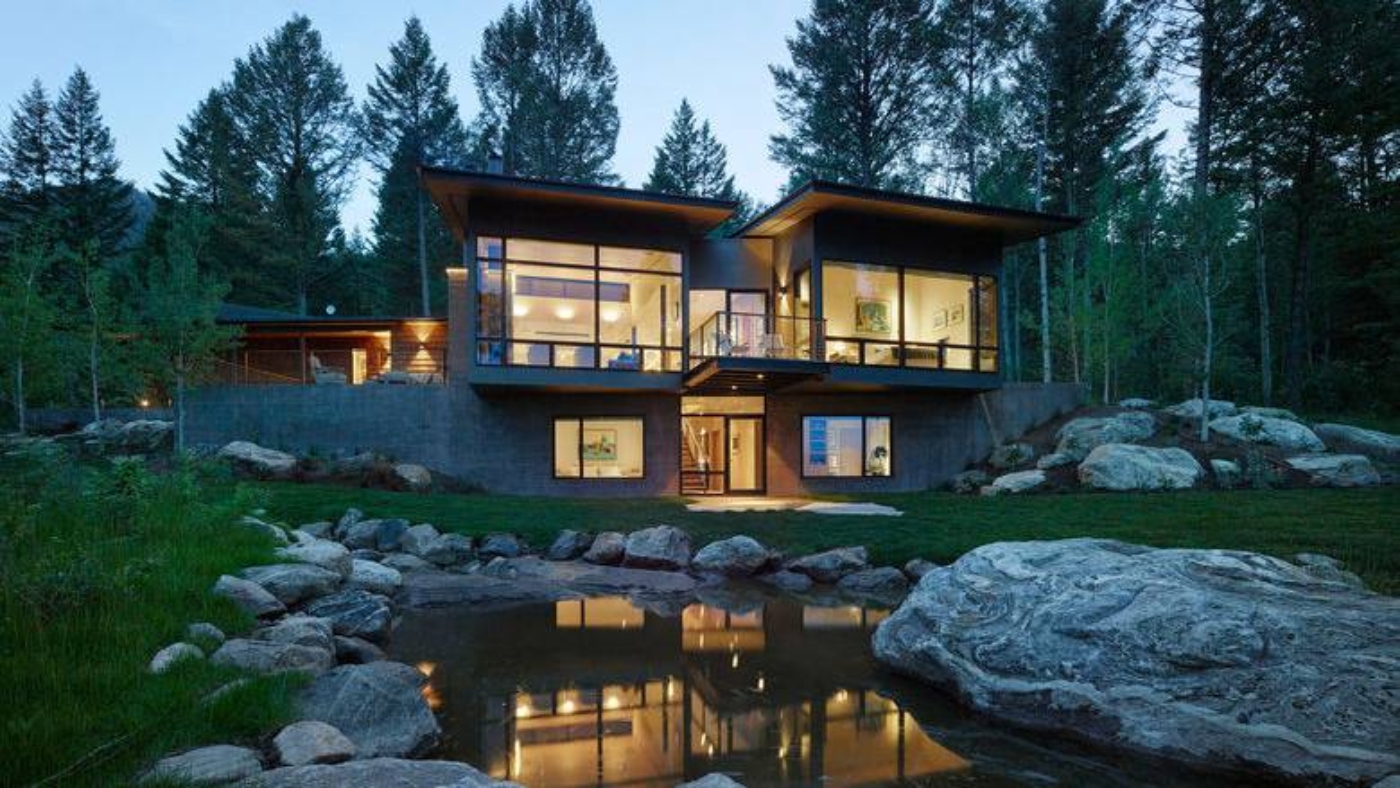
Choosing between a country house and a suburban property requires a far more comprehensive evaluation than simply comparing the distance from the city or the price per square meter. At RentSale RealEstate, architect Raúl Llorente emphasizes that buyers should evaluate not only the property itself but also their everyday lifestyle, transportation dependence, maintenance costs, engineering reliability, market liquidity, and the profile of future tenants or buyers. A house may appear highly attractive during a viewing, yet its real value becomes evident only when it delivers comfortable year round living while maintaining predictable ownership expenses.
Country homes are typically selected by buyers seeking privacy, personal outdoor space, and complete control over their environment. This type of property is ideal for families who are comfortable relying on private transportation, do not require daily commuting to the city center, and fully understand the responsibilities associated with maintaining an independent home. Essential ongoing expenses include heating systems, water supply, wastewater treatment, roofing, exterior maintenance, landscaping, security systems, and access roads. The farther a property is located from urban infrastructure, the greater the owner’s dependence on reliable engineering systems and the availability of qualified maintenance services.
Suburban properties provide a different balance between space and convenience. Buyers enjoy larger living areas than those typically available in central districts while remaining close to schools, healthcare facilities, shopping centers, public transportation, and employment hubs. At RentSale RealEstate, we analyze suburban locations not as transitional zones between urban and rural environments but as independent real estate markets where value is determined by transportation efficiency, infrastructure quality, population density, neighborhood safety, and long term development prospects.
Transportation accessibility should always be assessed under real operating conditions rather than by measuring distance on a map. Ten kilometers along an uncongested highway and the same distance through heavily trafficked intersections create entirely different daily experiences. Buyers should evaluate travel times during morning and evening peak hours, consider alternative routes, examine railway connections, and determine whether essential destinations remain accessible without relying exclusively on a private vehicle. For investment properties, transportation convenience has a direct impact on future demand and resale speed.
The technical condition of the building deserves an independent professional assessment. Buyers should inspect the foundation, structural walls, roof, insulation, ventilation systems, electrical infrastructure, water quality, sewage systems, and heating equipment. Deficiencies in these areas typically require significantly greater financial investment than cosmetic improvements. At RentSale RealEstate, we emphasize that an unusually low purchase price often reflects accumulated technical problems rather than genuine investment value, leaving the new owner responsible for expensive corrective work after the transaction has been completed.
The size of the land plot should also be evaluated from a practical perspective. A larger property increases privacy and offers greater flexibility but simultaneously raises the cost of maintenance, irrigation, outdoor lighting, landscaping, and security. For permanent residence, functionality is considerably more important than maximum land area. Plot shape, terrain configuration, accessibility, and the legal status of existing structures frequently influence long term usability more than total square footage. An irregular parcel with construction restrictions may prove significantly less valuable than a smaller but well organized property.
From an investment standpoint, suburban homes often appeal to a broader range of buyers because they combine increased living space with convenient access to the city. Country houses may generate higher returns within premium rental markets, seasonal accommodation, or leisure properties, yet their liquidity depends much more heavily on architectural quality, building condition, land size, and transportation accessibility. Properties with practical layouts and universal appeal generally attract buyers faster than highly customized homes requiring substantial ongoing maintenance.
Legal due diligence should extend beyond confirming ownership rights. Buyers must verify land classification, permitted land use, officially registered building areas, the legality of extensions, property boundaries, and any development restrictions. Unregistered swimming pools, unauthorized terraces, or additional floors may complicate financing, insurance coverage, and future resale. Before signing any purchase agreement, it is essential to ensure that the property’s physical condition fully corresponds with cadastral and technical documentation.
Future living requirements should be carefully projected before making a purchase. Monthly operating expenses, commuting time, the possible need for multiple vehicles, access to schools and healthcare, maintenance obligations, and the feasibility of remote work all deserve careful consideration. At RentSale RealEstate, we believe that the ideal home is determined not by the number of rooms it offers but by how naturally it supports the owner’s long term lifestyle without creating unnecessary operational burdens.
The final decision should always reflect the property’s entire life cycle rather than the emotional impression of the first viewing. A country house is the right choice for buyers prioritizing privacy and independence, while suburban properties are generally better suited to those seeking larger living space without sacrificing access to urban infrastructure. At Rent Sale Real Estate, we see this as the foundation of a well informed purchasing strategy where every property aligns with the owner’s real lifestyle, preserves long term market value, and remains an attractive asset for future resale or rental opportunities.
Previously, we wrote about how RentSale RealEstate evaluates the pace of moral and functional property obsolescence