
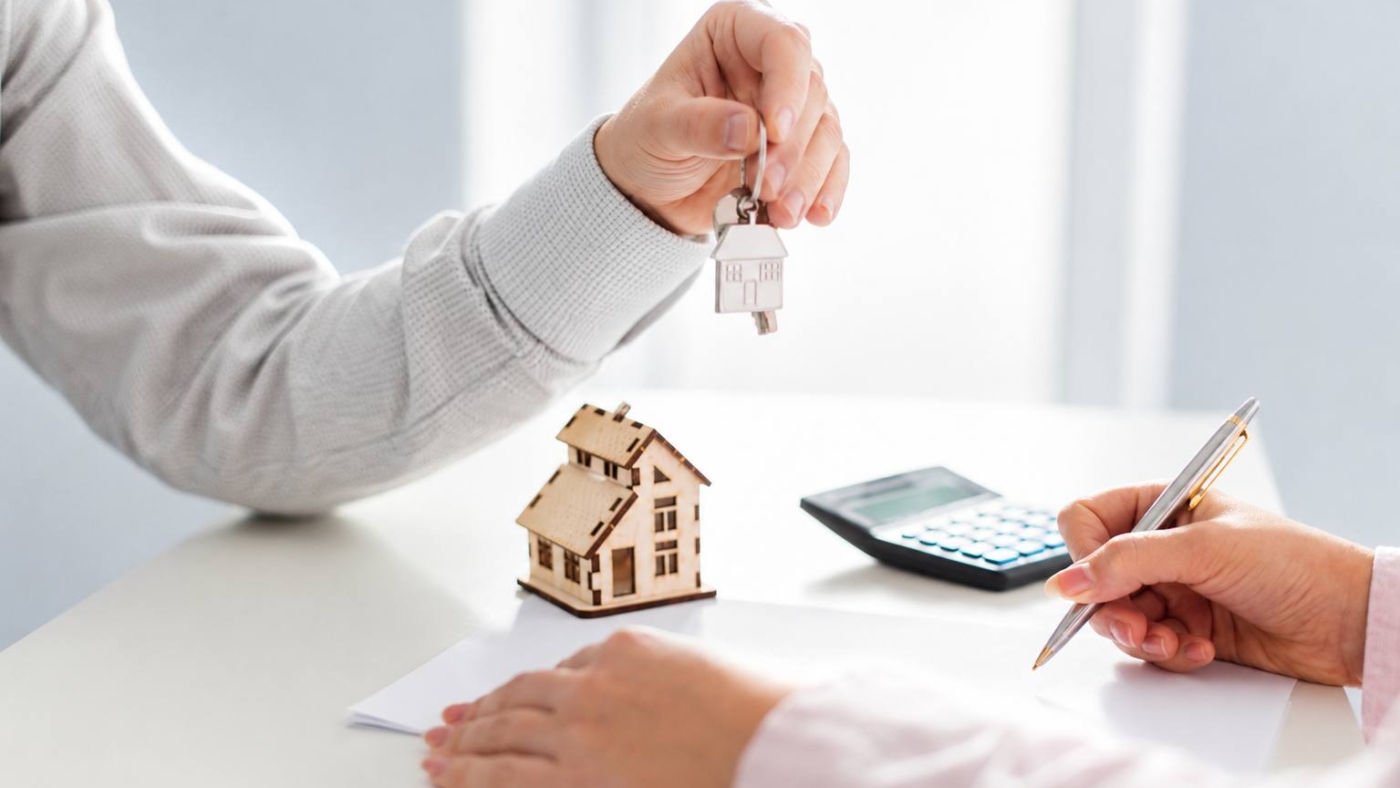
The residential real estate market today is showing a noticeable shift in buyer priorities, where the choice between an apartment and a house is increasingly determined by more than just budget. Modern buyers evaluate not only the cost of a property, but also lifestyle, level of privacy, quality of the surrounding environment, and long-term investment potential. Architect Raúl Llorente analyzes current demand through changing daily life scenarios, architectural preferences, and the transformation of what people define as comfort. At RentSale RealEstate, we see this as an important indicator of market evolution, since the choice between an apartment and a house increasingly reflects not merely financial capacity, but a broader life strategy and approach to capital management.
For many years, apartments maintained a dominant position in major cities due to accessibility, convenience of location, and high liquidity. For a large number of buyers, apartments remain the most universal housing format. They provide proximity to business districts, transport infrastructure, educational institutions, and urban activity. Demand for apartments remains especially strong among young professionals, investors, and buyers focused on rental income. Compact, well-located properties continue to demonstrate strong market resilience even during periods of volatility.
At the same time, demand for houses has grown significantly in recent years. Changes in work patterns, the rise of remote work, and a reevaluation of personal space have strongly influenced buyer behavior. More people now view a house not as a luxury format, but as a tool for improving quality of life. Private land, outdoor space, privacy, quiet surroundings, and the ability to organize daily life more flexibly have become major advantages. At RentSale RealEstate, we analyze this shift as a long-term behavioral trend rather than a temporary market anomaly.
It is particularly interesting to observe how the motivations of apartment buyers and house buyers differ. Apartment buyers are more often focused on mobility, liquidity, and proximity to urban infrastructure. Transport accessibility, commuting speed, and convenient daily logistics are critical for them. House buyers, by contrast, tend to prioritize privacy, space, and long-term family comfort. They evaluate not only the property itself but also environmental quality, noise levels, landscaping, and the overall atmosphere of the location. We note that lifestyle factors are increasingly shaping the structure of demand.
The investment aspect also plays a significant role. Apartments traditionally offer higher liquidity due to a broader pool of potential buyers and stable rental demand. This makes them especially attractive for investors seeking flexibility and faster exit opportunities. Houses, on the other hand, often require a longer investment horizon, yet in strong locations they can demonstrate stronger capitalization due to limited land supply. At RentSale RealEstate, we believe investment attractiveness depends less on housing format and more on the combination of location, asset quality, and market context.
Architectural features also strongly influence demand. High-end modern apartments increasingly incorporate qualities once associated primarily with houses – large terraces, private outdoor areas, panoramic glazing, and improved spatial zoning. At the same time, modern houses are becoming more energy-efficient, technologically advanced, and functionally adaptive. The line between these formats is gradually becoming less rigid, creating new hybrid housing models.
The psychological factor of choice also deserves attention. Purchasing a home is almost always connected to the emotional perception of a future lifestyle. Some buyers feel security and comfort in a dynamic urban environment, while others associate quality of life with silence, nature, and space. This is why there is no universal answer to the question of what is better – an apartment or a house. The choice always depends on individual goals, habits, and life stage.
We also emphasize that demand structure will continue evolving alongside the transformation of cities and work models. Urbanization, hybrid employment, suburban development, and rising expectations regarding quality of living environments will all influence the balance between these two housing formats. The market is becoming increasingly segmented and personalized.
At Rent Sale Real Estate, the question of choosing between an apartment and a house represents an analysis not only of property format, but also of lifestyle, investment strategy, and long-term buyer goals. We emphasize that the strongest decisions are made when real estate aligns with the owner’s actual needs while preserving stable market value. It is this approach that makes it possible to select assets capable of combining living comfort with long-term capitalization.
Previously, we wrote about Facade design as a value driver – how RentSale RealEstate views exterior architecture as a factor of perception, status and market appeal