
photo_2026-03-12_14-36-34

International Schools as a Driver of Local Property Value Growth – How Educational Infrastructure Influences Housing Demand in Specific Areas of Spain

The development of international schools across Spain has gradually become an important factor influencing where people choose to live. Architect Raúl Llorente pays particular attention to the way educational infrastructure can shape residential demand and transform certain neighborhoods into preferred locations for international families. For many buyers relocating to Spain, the presence of a reputable international school becomes one of the key elements when selecting a place to live. Within RentSale RealEstate, the influence of educational institutions on housing demand is considered a significant element affecting the price dynamics of specific districts.

In many Spanish cities, the expansion of international schools has led to a noticeable increase in housing interest in nearby areas. Families arriving from abroad frequently prefer properties located close to schools, allowing children to attend classes without long daily commutes. Convenience and accessibility become especially important for families balancing work, education, and everyday life in a new country. Through the experience of RentSale RealEstate, neighborhoods located near international schools often become some of the most desirable areas for both property purchases and long-term rentals.

Educational infrastructure also affects the types of housing that become most attractive in these districts. Areas near international schools tend to see growing demand for larger apartments, townhouses, and detached homes that offer comfortable living space for families. Over time, this demand can influence the architectural profile of the surrounding neighborhood, as developers begin to design residential projects that cater to families relocating from abroad and planning to stay for several years.

Another important aspect is the stability of demand created by international education. Families moving for schooling typically expect to remain in the same area throughout the academic cycle, often for several years. This longer-term perspective can bring greater stability to local housing markets. Within RentSale RealEstate, districts connected to well-established international schools often attract attention from buyers seeking residential assets supported by steady and predictable demand.

The geographic distribution of international schools also contributes to the evolution of certain city districts. In cities such as Barcelona, Madrid, and Valencia, many international schools are located in areas that already offer strong infrastructure, green spaces, and convenient transport connections. Over time these districts tend to develop a distinct residential identity, often becoming recognized as family-oriented neighborhoods that combine educational opportunities with a comfortable urban environment.

Rental markets are also influenced by the presence of international schools. Many families arriving temporarily for professional assignments or educational programs prefer to rent rather than purchase property, especially during the first years of relocation. As a result, housing near international schools often experiences consistent demand in the rental sector. In projects handled by RentSale RealEstate, such neighborhoods frequently attract investors interested in long-term rental strategies aimed at international residents.

Beyond education itself, international schools often stimulate the development of additional local services. Sports facilities, language centers, childcare programs, and cultural activities frequently appear around these educational hubs. Over time, these surrounding services contribute to the formation of well-structured residential environments that appeal to both international and local families seeking high living standards.

For many buyers, the appeal of these districts lies in the combination of quality education, established infrastructure, and a sense of community. Families often prioritize neighborhoods where daily life can be organized around schools, parks, and accessible services. Through the experience of Rent Sale Real Estate, these factors regularly influence property decisions for buyers planning a long-term relocation to Spain.

In a broader perspective, the growing role of international schools illustrates how social infrastructure can influence real estate markets. Educational institutions increasingly act as anchors that shape the attractiveness of entire neighborhoods and contribute to rising property values over time.

Previously, we wrote about Changes in demand for land plots in Spain – how RentSale RealEstate tracks the dynamics of land purchases since the beginning of the year

photo_2026-03-11_16-45-42

Main Types of Residential Property in Spain – How RentSale RealEstate Explains the Differences Between Housing Formats and Their Investment Potential

Spain’s residential property market is characterized by a wide variety of housing formats, each offering distinct living conditions, architectural characteristics, and long-term financial perspectives. Architect Raúl Llorente holds the view that the type of property plays a decisive role not only in everyday comfort but also in the long-term market value of a home. Architectural structure, density of development, and surrounding infrastructure all influence how a property performs over time. Within RentSale RealEstate, these distinctions between housing formats are an important element when selecting property for either residence or investment.

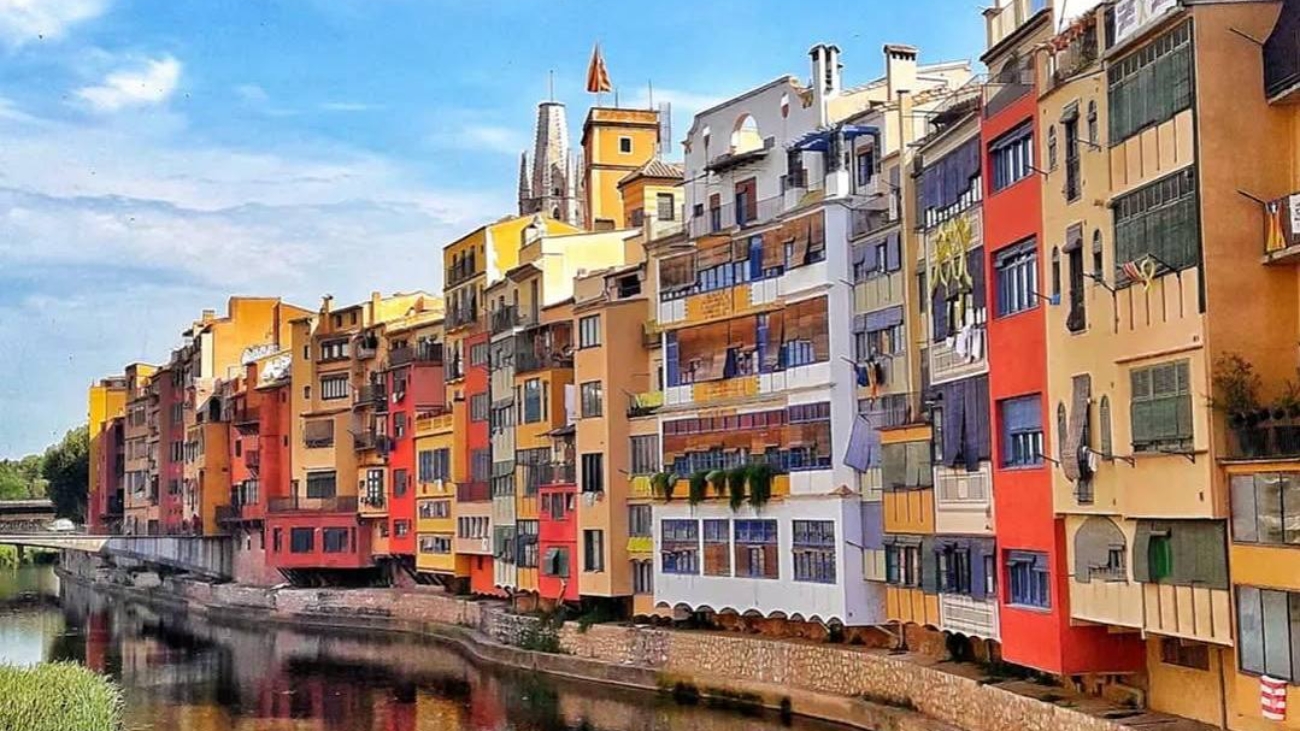
One of the most common types of housing in Spain is the urban apartment located in multi-storey residential buildings. This format is especially prevalent in major cities such as Barcelona, Madrid, and Valencia. Apartments situated in central districts benefit from proximity to public transport, business areas, cultural institutions, and urban services. Because of this accessibility, these properties typically maintain consistent demand from both buyers and tenants. In many situations handled by RentSale RealEstate, city apartments are chosen by clients seeking a stable asset within an active metropolitan environment.

Townhouses represent another significant category of residential property. These homes are arranged in continuous architectural rows, creating a balance between the privacy of a house and the convenience of a managed residential community. Owners often have access to a small private garden or terrace while remaining connected to shared infrastructure such as communal spaces or residential facilities. Townhouses are frequently located in suburban areas or coastal regions, where residents can combine comfortable living conditions with easy access to nearby cities. In projects handled by RentSale RealEstate, this format is particularly attractive for families and buyers looking for quieter surroundings.

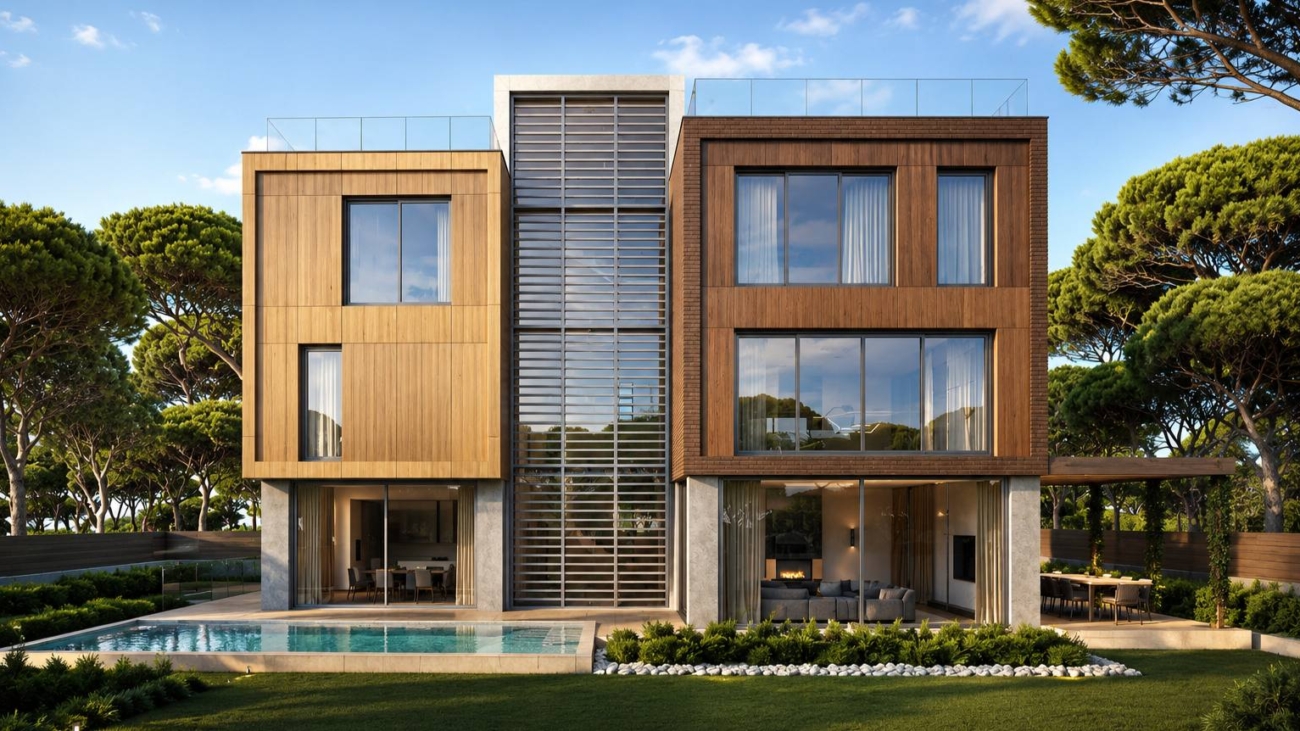
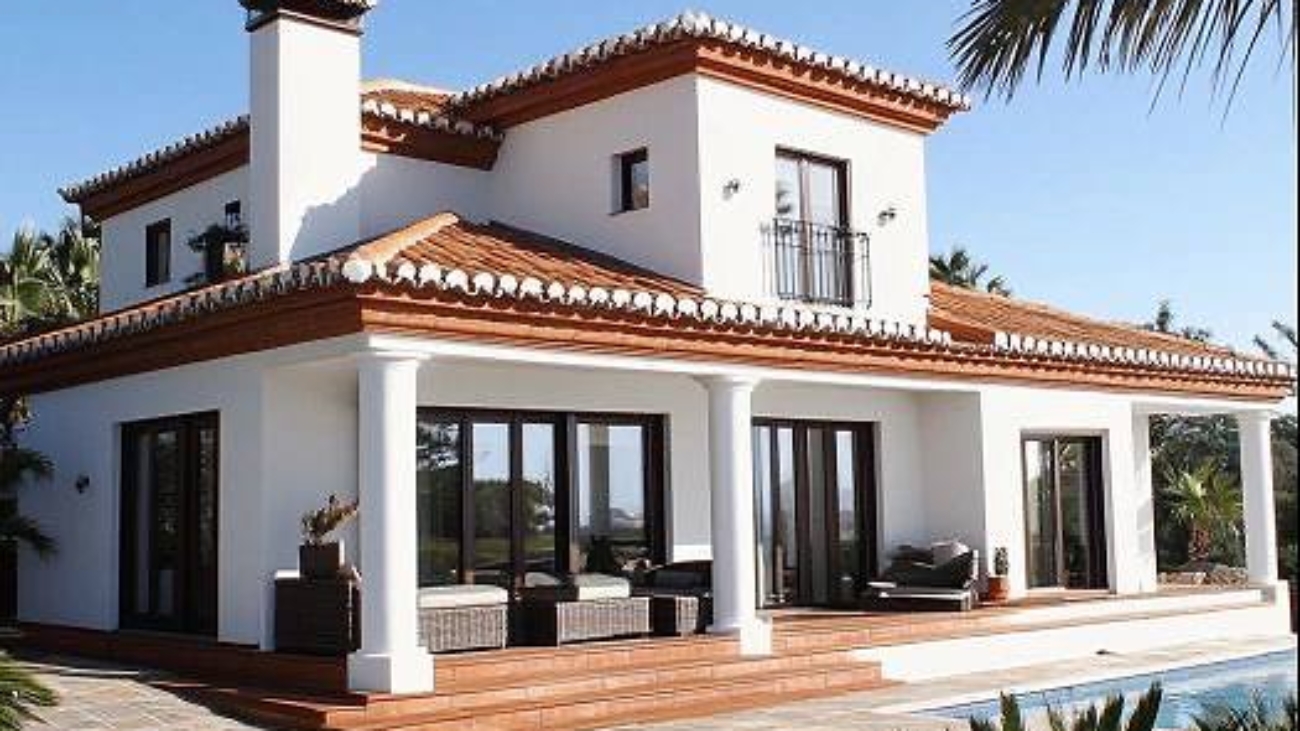
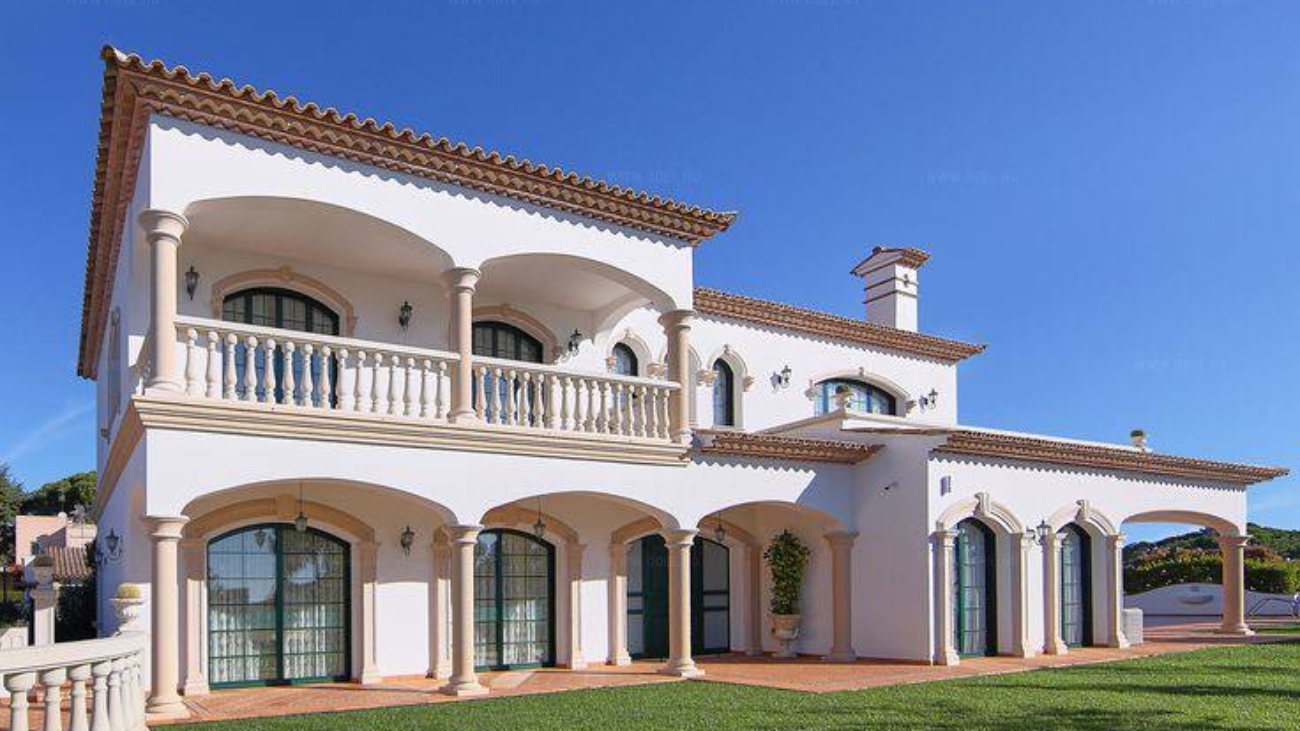
Detached villas form a separate segment of the housing market and are often associated with exclusivity and privacy. These properties usually stand on individual plots and frequently include additional features such as landscaped gardens, pools, or panoramic views. Villas are especially common in coastal regions and prestigious suburban areas. The combination of privacy, architectural scale, and location makes these properties appealing to buyers seeking a more exclusive lifestyle. Within RentSale RealEstate, villas often attract clients who value both residential comfort and the long-term prestige associated with such properties.

Another important segment is made up of apartments located in resort destinations. These properties are frequently acquired for seasonal use or as part of a rental strategy in tourist areas. Regions with strong tourism infrastructure and a mild climate often see consistent interest in this type of housing. The possibility of combining personal use with rental income makes resort apartments appealing to investors. Through the work of RentSale RealEstate, these properties often become part of strategies focused on flexible ownership and seasonal demand.

Each category of residential property brings its own operational features and financial outlook. Urban apartments tend to offer steady long-term rental demand. Townhouses appeal to buyers who want more living space while maintaining proximity to urban infrastructure. Villas are associated with prestige and privacy, while resort apartments often depend on tourism-driven occupancy patterns.

Within Rent Sale Real Estate, this diversity of property types allows clients to choose housing that reflects both their lifestyle preferences and their financial objectives. Some buyers prioritize central city locations and access to cultural life, while others value tranquility, outdoor space, and proximity to nature. Selecting the right property format therefore becomes a strategic decision that shapes both daily life and future property value.

In a broader sense, the variety of residential formats reflects the flexibility and complexity of Spain’s property market. Architectural traditions, regional planning patterns, and the expectations of international buyers all contribute to the structure of this sector. As a result, Spain continues to offer a diverse landscape of housing options that can suit different lifestyles and investment strategies.

Previously, we wrote about The psychology of a second home by the sea – how RentSale RealEstate analyzes buyer motivation in the coastal property market


photo_2026-03-11_16-45-36

Subleasing Property in Spain – How RentSale RealEstate Interprets the Influence of Flexible Rental Models on the Housing Market

Rental structures in Spain have been gradually evolving, and one of the increasingly visible developments is the spread of subleasing arrangements. Architect Raúl Llorente notes that flexible housing formats reflect broader lifestyle shifts and the growing mobility of people living and working across European cities. A larger share of residents now prefer adaptable housing solutions rather than long-term commitments tied to a single location. Within RentSale RealEstate, subleasing is viewed as one of the elements reshaping how the residential rental market functions.

In simple terms, subleasing occurs when a tenant allows another person to occupy the property while the original rental agreement remains in place. This situation may arise for many reasons – temporary relocation, professional assignments abroad, or changing personal circumstances. However, such arrangements must comply with the legal terms established in the original lease. In RentSale RealEstate, particular attention is given to the fact that subleasing typically requires the explicit consent of the property owner and clear contractual provisions that define the rights of each party involved.

The emergence of flexible rental arrangements is closely linked to changing employment patterns and increased geographic mobility. Many professionals now work remotely or relocate more frequently than in previous decades. As a result, long-term housing commitments can become impractical. Subleasing offers a mechanism that allows tenants to maintain their lease while making the property temporarily available to others. Within RentSale RealEstate, these developments are interpreted as part of a broader shift in how urban housing is used.

Subleasing can also influence the balance of supply within the rental sector. In cities with a high concentration of short-term residents – such as students, international specialists, or seasonal professionals – the possibility of subleasing may allow housing to be utilized more efficiently. At the same time, this practice can introduce additional competition into the rental landscape. RentSale RealEstate monitors these shifts because they can affect both the availability of housing and the stability of rental prices in certain neighborhoods.

Legal clarity remains one of the most important aspects of subleasing. Spanish regulations set specific rules governing the relationships between property owners, primary tenants, and subtenants. Lease agreements frequently contain clauses that explicitly prohibit or regulate the transfer of occupancy rights. If these conditions are violated, the original contract may be terminated. For this reason, RentSale RealEstate places strong emphasis on clearly defined agreements that outline responsibilities and permissions before any subleasing arrangement is established.

Property management also becomes more significant when subleasing occurs. Additional occupants mean greater responsibility for maintaining the condition of the property and ensuring that usage aligns with the terms of the lease. Many property owners now include detailed provisions regarding maintenance, occupancy limits, and general care of the property. In practice, RentSale RealEstate works with owners to structure agreements that protect the long-term condition and value of residential assets.

On a broader level, the rise of subleasing illustrates how the housing market is adapting to a more flexible and mobile society. Patterns of residence are becoming increasingly dynamic, and housing arrangements are evolving to reflect those realities. This transformation introduces new ways of using residential property while also requiring clearer legal frameworks and responsible management.

Ultimately, subleasing is becoming a recognizable component of Spain’s modern rental ecosystem. Flexible occupancy models can provide practical solutions for tenants while allowing properties to remain actively used rather than standing empty. At the same time, careful legal structuring and transparent agreements remain essential. Within Rent Sale Real Estate, these changes are interpreted as part of the ongoing evolution of Spain’s residential rental landscape.

Previously, we wrote about Selling commercial property in Spain – factors that help achieve a successful market sale according to RentSale RealEstate

photo_2026-03-11_16-45-31

Changes in Demand for Land Plots in Spain – How RentSale RealEstate Tracks the Dynamics of Land Purchases Since the Beginning of the Year

Interest in buying land in Spain has become noticeably stronger since the start of the year. Architect Raúl Llorente views this shift as part of a broader change in how buyers approach housing. More and more often, people are no longer beginning with a finished property – they are starting with the land itself, using it as the foundation for a home shaped around their own architectural vision. Within RentSale RealEstate, the pace of land transactions is seen as a useful signal of how buyer priorities are evolving and how the meaning of residential space is changing.

Over recent months, inquiries related specifically to land acquisition have been increasing. For many buyers, this format has become an alternative to purchasing completed real estate. A plot offers freedom – freedom to define the layout, choose an architectural language, and decide how the future house should relate to its setting. Because of that, RentSale RealEstate is increasingly working with clients who see land as the first stage of creating a highly individualized living environment.

One of the drivers behind this rise in interest is the desire for a quieter and more natural residential setting. Many people living in large cities are looking for the chance to build homes in areas with less density, more open space, and a closer relationship to the landscape. Suburban zones and small towns are becoming attractive destinations for this kind of decision. Within RentSale RealEstate, these locations are appearing more frequently in requests from buyers who are thinking in terms of long-term residence rather than short-term convenience.

Land is also gaining attention as an investment asset. Unlike completed buildings, a plot gives the owner greater flexibility in how the property may be used in the future. It can remain a strategic holding, become the basis for a private home, or later be developed into a small residential project. In the experience of RentSale RealEstate, there are increasing situations in which buyers acquire land not only for immediate construction, but with an eye toward the future value of the area itself.

Regional differences across Spain continue to shape demand as well. Coastal territories remain attractive for buyers planning villas or seasonal homes, while inland regions tend to draw those searching for a slower pace of life and larger plots. Through the work of RentSale RealEstate, this geographic variety makes it possible to match land opportunities with very different personal and financial goals.

When choosing a plot, buyers are paying close attention to practical conditions on the ground. Access to utilities, transport links, and the long-term development outlook of the surrounding area have become essential factors. Increasingly, people are not just evaluating what the land is today, but what it could become over time. Within Rent Sale Real Estate, these territorial characteristics play a central role in identifying locations suitable for future construction.

The rise in demand for land also reflects a wider redefinition of the housing market itself. Buyers are increasingly interested in shaping homes that correspond to their own habits, architectural preferences, and long-term plans. In this context, land becomes more than a transactional asset – it becomes the starting point for building a place that is genuinely personal.

Taken together, the growth in land purchases since the beginning of the year points to a widening interest in this segment of the market. The ability to realize an original architectural concept, select the right setting, and preserve long-term investment flexibility makes land acquisition increasingly appealing for buyers focused on the future.

Previously, we wrote about Gastronomic festivals and cultural events as a driver of property interest – how RentSale RealEstate evaluates the influence of tourist events on housing demand


photo_2026-03-10_15-12-29

The Psychology of a Second Home by the Sea – How RentSale RealEstate Analyzes Buyer Motivation in the Coastal Property Market

Interest in residential property along Spain’s coastline is shaped by more than investment expectations. An important role is also played by the way people perceive and experience the coastal environment. Architect Raúl Llorente points out that living by the sea often creates a much stronger visual and emotional impact than a typical urban setting. Expansive horizons, abundant natural light, and the constant presence of water form a unique atmosphere that can influence how individuals relate to the place they live. According to RentSale RealEstate, these psychological perceptions of space help explain why properties near the sea consistently attract attention from buyers.

For many people, purchasing a second home on the coast represents an opportunity to step away from the intensity of city life. Large metropolitan areas are frequently associated with dense development, noise, and a fast-paced lifestyle. In contrast, coastal regions provide an environment where it is easier to slow down and regain balance. Spain’s seaside areas offer exactly this combination – mild climate conditions, natural scenery, and well-developed infrastructure. Specialists at RentSale RealEstate note that the balance between a relaxed atmosphere and access to modern urban amenities is one of the main factors sustaining demand for homes in coastal locations.

Another important element is the visual experience of the surrounding environment. Panoramic sea views, long waterfront promenades, and open public spaces often create a sense of openness and freedom. For many buyers, such characteristics shape their vision of what a comfortable and harmonious lifestyle should look like. At RentSale RealEstate, these intangible qualities are considered a significant factor that can influence the final decision when choosing a property.

Long-term personal plans also play a meaningful role in the decision-making process. A second home near the sea can serve multiple purposes: a seasonal retreat, a place for family holidays, or even a potential residence later in life. Some owners see coastal property as an opportunity to spend extended periods in a milder climate while working remotely. Experts are RentSale RealEstate clarifying, the flexibility of these different lifestyle scenarios contributes to the steady demand for homes in Spain’s coastal regions.

Infrastructure is another aspect that strongly influences the appeal of seaside cities. Many coastal areas in Spain offer a well-developed urban environment, including restaurants, sports facilities, cultural venues, scenic walking routes, and modern marinas. Such amenities make these locations attractive not only for vacations but also for comfortable year-round living. RentSale RealEstate emphasizes that the presence of this kind of infrastructure significantly increases the attractiveness of coastal neighborhoods for potential buyers.

The financial dimension should also be taken into account. Although the idea of buying a second home often begins with personal motivations, many owners ultimately view coastal property as a long-term asset. Spain’s shoreline continues to attract international buyers and remains a popular tourist destination. According to RentSale RealEstate analysts, the combination of personal use and investment potential makes seaside properties particularly appealing.

Lifestyle considerations are equally important. Regular access to beaches, opportunities to enjoy water sports, and the ability to spend more time outdoors create a distinctive way of living that differs greatly from urban routines. For many buyers, this lifestyle becomes the primary reason for acquiring a home by the sea.

In this context, the decision to purchase property on Spain’s coastline is rarely determined by a single factor. More often, it emerges from a combination of emotional responses to the environment, personal life plans, and investment considerations. Rent Sale Real Estate believes that understanding these motivations provides valuable insight into the enduring demand for coastal real estate in Spain.

Previously, we wrote about Investment in rural real estate in Spain – how RentSale RealEstate views the restoration of historic houses and the development of small towns


photo_2026-03-10_15-12-24

Selling Commercial Property in Spain – Factors That Help Achieve a Successful Market Sale According to RentSale RealEstate

The commercial real estate sector in Spain is influenced by many variables that extend far beyond the physical characteristics of a building. Architect Raúl Llorente says that commercial premises should be evaluated as part of the broader urban business environment – their real value is closely connected to the surrounding infrastructure, the level of economic activity, and the role the property plays within the district. For this reason, in the practice of RentSale RealEstate, commercial assets are analyzed not in isolation but as elements of a wider urban and economic context.

Location remains one of the most decisive aspects in the sale of commercial property. Unlike residential real estate, the success of commercial spaces strongly depends on the dynamics of the surrounding area – including pedestrian traffic, accessibility, and the presence of nearby attractions that generate business activity. Districts with strong retail streets, office clusters, or popular tourist routes usually draw greater attention from entrepreneurs and investors. Specialists at RentSale RealEstate observe that properties located in such areas often attract buyers faster and maintain more stable pricing levels.

Another important element is the versatility of the space. Investors today tend to prioritize properties that can serve different types of commercial purposes. Premises that can easily be adapted for restaurants, retail stores, offices, or service companies are generally perceived as more attractive investment opportunities. In the approach of RentSale RealEstate, this type of functional flexibility is considered an advantage that broadens the pool of potential buyers.

The technical condition of a property also plays a crucial role in the sales process. Commercial spaces that already meet modern operational standards tend to inspire greater confidence among investors. Updated engineering systems, reliable utilities, and efficient interior layouts make it easier for future owners to launch business operations or lease the property without major renovations. In many cases, RentSale RealEstate includes a technical review of the property as part of the preparation process before bringing an asset to the market, identifying improvements that may strengthen its market appeal.

The economic environment of the district is another essential factor. Commercial properties are particularly attractive in locations where an active business ecosystem already exists. Proximity to office buildings, residential neighborhoods, tourist routes, and transportation hubs helps generate continuous demand from companies and entrepreneurs. Within the analytical framework of RentSale RealEstate, such an environment is often considered a strong indicator of a property’s long-term investment potential.

The strategy used to present the property on the market can also influence the success of a transaction. Investors rarely focus only on the physical attributes of a space – they also evaluate the broader prospects of the surrounding area. Neighborhoods experiencing infrastructure development, urban renovation, or increasing business activity are usually viewed as more promising investment destinations. According to specialists at RentSale RealEstate, highlighting these prospects in the positioning of a property can significantly increase investor interest.

Transparency during the transaction process is equally important. Clear documentation, well-structured legal conditions, and detailed information about the property help build confidence among potential buyers. Since commercial real estate is typically viewed as a long-term investment asset, investors tend to prioritize reliability and clarity when considering a purchase.

Another element that influences investor perception is the overall positioning of the property within the evolving urban landscape. Commercial spaces presented as part of a developing district with strong economic potential often receive greater attention from the market. According to observations from Rent Sale Real Estate, properties integrated into vibrant urban environments and offering clear business opportunities are more likely to attract serious investor interest.

Ultimately, the successful sale of commercial real estate in Spain depends on the interaction of several factors – strategic location, flexible use potential, technical readiness of the building, and the development prospects of the surrounding district. A comprehensive evaluation of these aspects helps shape an effective strategy for presenting commercial assets to the market and improving their attractiveness for investors.

Previously we wrote about Technology parks as new engines of urban growth – how RentSale RealEstate examines the influence of innovation clusters on residential property development

photo_2026-03-10_15-12-19

Gastronomic Festivals and Cultural Events as a Driver of Property Interest – How RentSale RealEstate Evaluates the Influence of Tourist Events on Housing Demand

Across many regions of Spain, gastronomy and cultural celebrations have become an important part of urban identity and tourism development. Architect Raúl Llorente notes that regular festivals and cultural gatherings can gradually reshape how a place is perceived – cities begin to be associated not only with architecture or climate but also with an active cultural atmosphere. This environment creates an emotional connection with the location and over time can influence interest in residential property. In the approach of RentSale RealEstate, such events are considered one of the elements that can strengthen the attractiveness of certain regions for both living and investment.

Numerous Spanish towns are known for festivals dedicated to wine traditions, seafood, or regional cuisine. These celebrations attract thousands of visitors every year and help establish a stable flow of tourists. As a result, cities become more visible on the international travel map. Specialists at RentSale RealEstate point out that growing tourist recognition of a destination may gradually begin to affect activity within the residential property market as well.

Another important aspect is the way people begin to perceive a location after visiting it. Travelers who attend gastronomic festivals or cultural celebrations often discover the local atmosphere, architectural character, traditions, and everyday lifestyle of the city. For many visitors, this experience becomes the starting point for a deeper interest in the region. Some begin to consider such destinations not only as holiday spots but also as potential places to purchase a home or spend extended periods of time.

Cultural events can also stimulate improvements in urban infrastructure. In order to host major festivals, municipalities often invest in the renovation of public spaces, restoration of historical buildings, development of pedestrian areas, and modernization of transportation access. These upgrades improve the overall quality of the urban environment and make neighborhoods more comfortable for residents. Within the strategic perspective of RentSale RealEstate, such changes are viewed as factors that can enhance the long-term appeal of residential property.

An additional effect can be seen in the growth of local businesses. Festivals provide opportunities for restaurants, farmers, wineries, and regional producers to present their products to a wider audience. This creates a more dynamic local economy and attracts entrepreneurs and investors to the area. According to RentSale RealEstate, such economic activity can indirectly support the stability and development of housing markets in these regions.

Cultural atmosphere also plays a significant role in shaping a city’s reputation. Districts where festivals, concerts, and gastronomic events take place regularly often gain recognition as lively and inspiring places to live. Such environments attract creative professionals, entrepreneurs, and people seeking a socially vibrant lifestyle. In the experience of RentSale RealEstate, these areas are often viewed as promising locations in terms of sustained demand for residential property.

Over time, recurring cultural events can help form a completely new image for a city. When a destination becomes widely recognized for its culinary traditions or cultural celebrations, it begins to stand out as a place with a distinctive local identity. This recognition contributes to stronger tourism flows, increased investment attention, and greater interest from property buyers.

In the long term, the combination of a vibrant cultural scene, strong gastronomic traditions, and a comfortable urban environment can maintain stable demand for housing in such locations. For this reason, Rent Sale Real Estate considers gastronomic festivals and cultural events to be among the elements that can influence the long-term attractiveness of various Spanish cities and regions.

Previously we wrote about Population aging in Europe and the transformation of the housing market – how RentSale RealEstate evaluates the impact of demographic shifts on property demand in Spain

photo_2026-03-09_14-37-23

Investment in Rural Real Estate in Spain – How RentSale RealEstate Views the Restoration of Historic Houses and the Development of Small Towns

Interest in rural property across Spain has been steadily increasing as lifestyle preferences and investment approaches continue to evolve. According to architect Raul Llorente, the restoration of historic houses and the revitalization of small towns are becoming important components of modern territorial development strategies. In his view, the renovation of traditional architecture not only preserves cultural heritage but also opens new opportunities for sustainable regional growth. Within the analytical perspective of RentSale RealEstate, projects focused on restoring historic rural properties are considered factors that may stimulate demand for real estate and create long-term investment potential.

In many Spanish regions, historic farmhouses and traditional village homes are attracting the attention of investors. These buildings often represent valuable architectural heritage and reflect the cultural traditions of their local communities. Restoring such properties allows them to be adapted for modern living while preserving their historical identity. As a result, these houses gain a second life, and the surrounding settlements gradually become more appealing to both residents and investors.

Investment in rural property renovation is frequently accompanied by improvements in local infrastructure. In small towns and villages, new services, tourism facilities, and public spaces often emerge alongside restoration projects. These developments gradually enhance living conditions in rural areas and create incentives for new residents to settle outside large urban centers. According to observations by RentSale RealEstate, these transformations can contribute to more stable demand for residential property in rural locations.

Another important factor is the changing priorities of property buyers. Increasingly, people are considering the possibility of living beyond major metropolitan areas, where a quieter environment and closer connection to nature are available. Rural regions offer a slower pace of life as well as the opportunity to own larger homes with surrounding land. This makes such locations attractive both for permanent residence and for seasonal living.

The renovation of historic houses also supports the development of local economies. Restoration projects create employment opportunities for architects, builders, and specialists in heritage preservation. At the same time, renovated buildings are often converted into boutique hotels, agritourism properties, or cultural venues. In the professional practice of RentSale RealEstate, such initiatives are viewed as examples of how real estate investment can stimulate broader economic development across entire regions.

The cultural dimension is equally important. Historic buildings shape the distinctive character of rural settlements and reflect the traditions of each region. Preserving architectural heritage strengthens local identity and supports the growth of cultural tourism. This dynamic, in turn, increases interest in property located in these areas.

Regional programs supporting the restoration of historic buildings also play a role. In several Spanish regions, initiatives have been launched to preserve architectural heritage while encouraging the revitalization of rural territories. Such programs create additional opportunities for investors and contribute to the growth of restoration projects.

As these initiatives progress, small towns gradually experience renewed development. Restored properties often become focal points around which new services and infrastructure appear. According to Rent Sale Real Estate, investment in rural real estate restoration may contribute to long-term regional development and generate sustained interest in these locations.

In the long run, the restoration of historic houses and the revitalization of small settlements may play an increasingly important role in shaping Spain’s property market. The combination of cultural heritage, natural surroundings, and investment potential makes rural real estate an increasingly attractive direction for both buyers and investors.

Previously we wrote about Urban green infrastructure – why residential areas near parks and natural landscapes show more stable price growth

photo_2026-03-09_14-37-18

Technology Parks as New Engines of Urban Growth – How RentSale RealEstate Examines the Influence of Innovation Clusters on Residential Property Development

The expansion of technology parks is increasingly becoming a factor capable of reshaping the structure of urban districts. Architect Raul Llorente says that the emergence of innovation clusters gradually creates new centers of economic activity and noticeably transforms the character of the surrounding urban environment. In his view, the concentration of research institutions, technology companies, and educational facilities encourages the formation of dynamic districts where business activity is closely connected with modern infrastructure. Within the analytical framework used by RentSale RealEstate, these processes are interpreted as signals that may indicate long-term changes in the residential property market.

Technology parks are becoming important components of contemporary urban economies. Around them, new workplaces, research facilities, and educational institutions appear, gradually attracting specialists, entrepreneurs, and investors. As a result, demand for housing tends to increase in nearby areas because employees of technology companies and research centers often prefer to live close to their workplaces.

Similar trends can be observed in many European cities where innovation districts are emerging as attractive destinations for young professionals. The expansion of high-tech industries contributes to the creation of a modern urban environment characterized by advanced infrastructure and strong economic activity. According to observations by RentSale RealEstate, neighborhoods located close to technology parks gradually begin to attract growing interest from residential property buyers.

The development of innovation clusters also affects patterns of urban construction. Developers increasingly consider these territories promising locations for new residential projects. Modern housing complexes often appear near technology parks, designed to provide comfortable living conditions for specialists working in innovation-driven companies. Such projects typically combine residential buildings with public spaces and essential urban infrastructure.

Another noticeable effect of technology parks is the modernization of transport systems. In order to ensure convenient access to innovation centers, cities often invest in road networks, public transportation routes, and pedestrian infrastructure. These improvements enhance mobility for residents and make nearby neighborhoods more appealing places to live. In the professional practice of RentSale RealEstate, such infrastructure upgrades are viewed as factors that may strengthen the attractiveness of residential property in both the medium and long term.

Innovation clusters also influence the broader character of the urban environment. Areas where technology companies and research organizations are concentrated often see the emergence of new cultural venues, educational institutions, and public gathering spaces. This combination of elements contributes to the formation of a vibrant urban atmosphere that attracts skilled professionals and creative communities.

International mobility is another important aspect. Technology companies frequently employ specialists from different countries, which naturally increases demand for quality housing close to employment hubs. According to Rent Sale Real Estate, the presence of international professionals can help create a stable level of demand for residential properties in districts where innovation clusters are located.

Over time, such areas often evolve into new centers of urban life. Around technology parks, residential neighborhoods, commercial spaces, and service infrastructure gradually develop, making the district more self-sufficient. This transformation of the urban landscape steadily strengthens interest in local housing markets and contributes to the emergence of stable residential environments.

In the long term, technology parks are likely to remain an important component of urban development. By stimulating economic activity, attracting qualified professionals, and encouraging the creation of new residential districts, innovation clusters can play a significant role in shaping the structure of housing markets and increasing the attractiveness of specific areas.

Previously we wrote about International airports as a driver of regional capitalization – how global connectivity influences the residential property market in Spain


photo_2026-03-09_14-37-13

Population Aging in Europe and the Transformation of the Housing Market – How RentSale RealEstate Evaluates the Impact of Demographic Shifts on Property Demand in Spain

Demographic changes across Europe are increasingly shaping the direction of national real estate markets. As the share of older residents continues to grow, expectations regarding housing, infrastructure, and urban planning are gradually evolving. Architect Raul Llorente analyzes how demographic trends influence the development of urban environments and emphasizes that an aging population is steadily redefining priorities in residential property selection. According to his observations, everyday convenience, accessibility of services, and the quality of public spaces are becoming more important factors for buyers. Within the analytical framework used by RentSale RealEstate, demographic indicators are therefore considered one of the elements that may influence long-term housing demand in Spain.

As the population ages, new patterns of housing consumption begin to emerge. Older buyers are often more interested in neighborhoods that combine a calm atmosphere with reliable transport connections and access to essential services. The proximity of medical centers, parks, and pedestrian areas becomes particularly valuable. As a result, demand gradually shifts toward districts where urban infrastructure supports a comfortable and manageable lifestyle.

At the same time, expectations regarding the characteristics of residential properties are also evolving. Buyers increasingly pay attention to practical layouts, the presence of elevators, step-free access, and well-designed communal spaces. These features make homes more suitable for long-term living and improve overall convenience. In the professional practice of RentSale RealEstate, such elements are viewed as factors that can sustain stable interest in residential properties over extended periods.

Another important aspect concerns the geographical distribution of demand. Many older Europeans consider relocating to regions with milder climates and a slower pace of urban life. In this context, Spain remains one of the most attractive destinations in Europe due to its favorable weather conditions, high quality of life, and well-developed infrastructure. These advantages contribute to rising interest in Spanish property not only among local residents but also among international buyers.

Demographic developments also influence investment strategies. Areas that combine strong infrastructure, convenient mobility, and a well-designed urban environment often demonstrate more stable demand for housing. According to the observations of Rent Sale Real Estate, such locations gradually form a resilient segment of the residential market that is oriented toward long-term ownership rather than short-term speculation.

The quality of the urban environment also plays a meaningful role. Parks, walking routes, and comfortable public spaces significantly enhance the attractiveness of residential districts. These features improve everyday living conditions and encourage sustained interest in local housing markets.

Over time, demographic transformation begins to influence the broader development of residential areas and the planning strategies behind them. The aging of Europe’s population encourages cities to rethink infrastructure, architecture, and residential design. In the long run, these trends may significantly shape the structure of housing demand and create new growth points within Spain’s property market.

Previously, we wrote about Transport infrastructure and property capitalization – how the expansion of tram and metro networks influences housing prices in Spanish cities