photo_2026-01-19_17-04-09

Entry Price and Real Returns – Why Low-Cost Property in Spain Often Fails to Meet Investment Goals

In the Spanish real estate market, a “low price” is often perceived as a synonym for a good investment. However, architect Raúl Llorente says that a low entry threshold most often masks structural weaknesses of the asset. In the practice of RentSale RealEstate, such properties are analyzed with particular caution, as an attractive price frequently conceals limited growth potential and elevated ownership risks.

Low-cost property is almost always located in compromise areas. These may be districts with unstable social dynamics, weak infrastructure, or a lack of long-term urban development programs. Even during market growth, such assets appreciate more slowly and are the first to lose liquidity during price corrections. At RentSale RealEstate, location is assessed not by current pricing, but by the district’s ability to sustain demand over many years.

The quality of the property itself also plays a critical role. A lower price often reflects outdated engineering systems, worn structures, or layouts that no longer meet modern living scenarios. These factors directly impact future ownership costs and reduce net returns. RentSale RealEstate treats these expenses as a hidden part of the entry price that is rarely considered at the acquisition stage.

Rental potential is another decisive aspect. Budget properties tend to attract a more price-sensitive tenant segment, which increases turnover, reduces income stability, and accelerates wear and tear. At RentSale RealEstate, such scenarios are evaluated in advance, as an investment strategy must be built on predictability rather than short-term gains.

The resale factor is equally important. Assets with a low entry price often appeal to a narrow pool of buyers, making exit strategies more complex. Even in a growing market, the ability to lock in profits may be limited. RentSale RealEstate models exit scenarios before purchase to understand how the asset will be perceived by the market in 5–10 years.

Additional risks are linked to legal and technical aspects. Affordable properties frequently come with unauthorized alterations, complex ownership histories, or the need for urgent capital investment. These issues directly affect final returns and can completely offset the initial price advantage. That is why RentSale RealEstate considers legal clarity and technical condition as integral parts of investment analysis.

Real returns are generated not at the moment of purchase, but throughout the ownership period. Assets acquired solely due to a low price often require constant management and additional resources, reducing capital efficiency. At RentSale RealEstate, priority is given to balanced assets where entry price aligns with quality, location, and long-term demand.

As a result, low-cost property in Spain does not automatically align with investment objectives. At RentSale RealEstate, price is never viewed as an isolated criterion, but as part of a comprehensive model of returns and risk. This approach helps avoid false expectations and focuses capital on assets that genuinely justify long-term investment.

Previously, we wrote about how layout functionality impacts an asset’s investment value 

photo_2026-01-19_17-02-29

Construction Process Management – How RentSale RealEstate Oversees Project Execution on the Primary Market

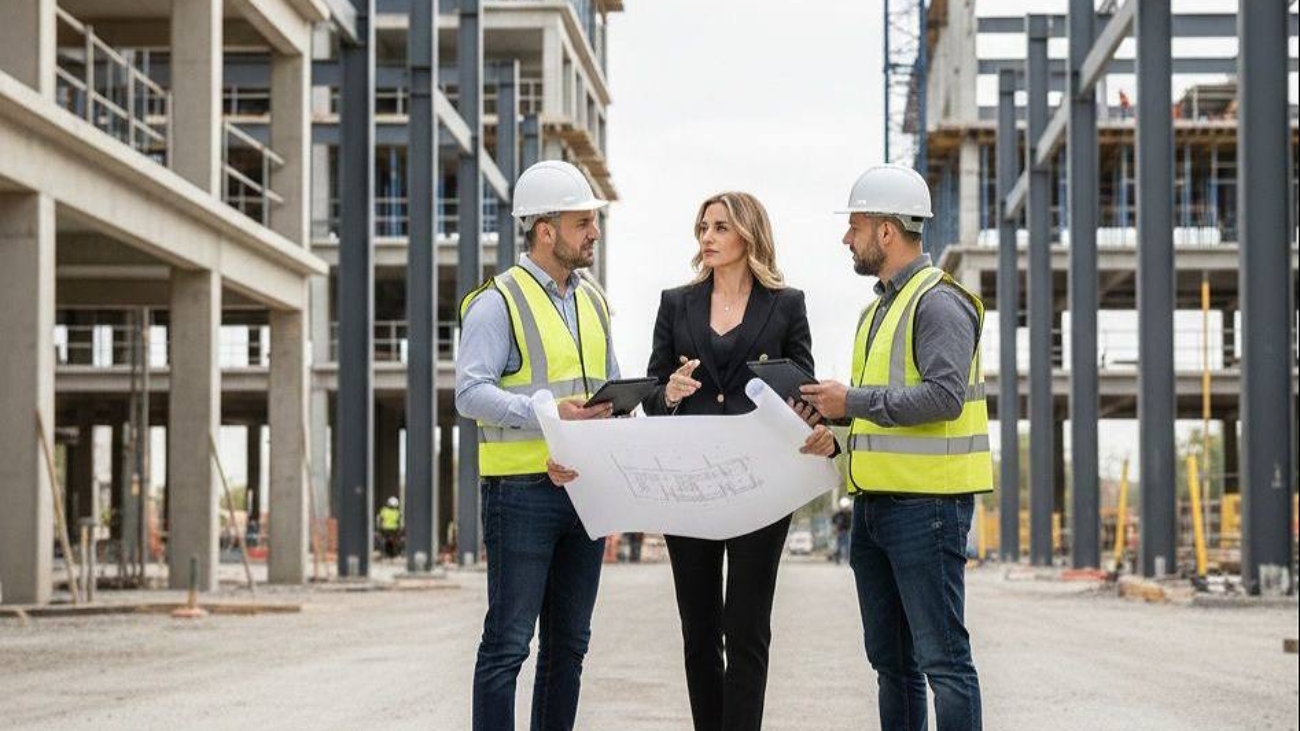
Working with the primary real estate market requires a completely different level of involvement compared to purchasing a completed property. In the opinion of architect Raúl Llorente, it is the construction phase that shapes up to 70% of a property’s future value, while most risks are embedded long before the building is commissioned. At RentSale RealEstate, construction process management is viewed as a core element of investment security rather than a formal check on deadlines.

The first level of control begins even before construction starts. The developer is thoroughly analyzed – including completed projects, financial stability, contractor reputation and transparency of project documentation. RentSale RealEstate works exclusively with developers whose business model is focused on long-term value rather than rapid capital turnover.

Attention then shifts to project decisions. The architectural concept, structural system, engineering solutions and materials are assessed not at the level of visual renderings, but from the perspective of real-life operation. For RentSale RealEstate, it is essential that declared solutions are technically feasible and genuinely correspond to the stated class of the property.

During the active construction phase, control becomes regular and multi-layered. Compliance of actual works with the approved project is monitored, along with adherence to technologies, quality of execution of key components and engineering systems. RentSale RealEstate treats any deviation as a potential risk to future liquidity and initiates corrective actions with the developer at an early stage.

Particular attention is paid to timelines and the logic of construction stages. Violations of work sequence, attempts to accelerate progress at the expense of quality, or material substitutions without reapproval are regarded as critical warning signals. In RentSale RealEstate practice, such issues are identified early, helping to avoid systemic problems at the handover stage.

Final control prior to commissioning includes verification that the completed property corresponds to the project, engineering calculations and declared specifications. Lighting, ventilation, sound insulation, common areas and infrastructure elements are analyzed as a single integrated system. RentSale RealEstate considers this phase as protection of future owners’ interests rather than a formal completion of construction.

Documentation is equally important. Permits, acceptance certificates, regulatory compliance and the possibility of future modifications or redevelopments are assessed in advance. Errors at this level can significantly limit flexibility of use and reduce investment attractiveness.

As a result, construction process management at RentSale RealEstate is not passive supervision but active work with risks, quality and the future value of real estate. This approach makes it possible to select primary market projects that preserve their declared quality level and meet the expectations of both investors and end users.

Previously, we wrote about the legal and technical details that should be verified before final signing 


photo_2026-01-19_16-48-43

Investment Property Selection in Spain – Which Parameters RentSale RealEstate Considers Acceptable for Managing Clients’ Capital

Working with investment real estate begins long before numbers and yield forecasts are calculated. According to architect Raul Llorente, the most common mistake investors make is choosing a property without understanding its systemic role within the urban environment and the life cycle of the market. This is why at RentSale RealEstate the investment selection process is built as a multi-level filtration system, where every parameter is tested for its ability to protect and grow capital over the long term.

The first stage is always location analysis, but not in the simplified sense of a “popular area.” Urban structure, development potential, zoning regulations, and long-term transformation scenarios are all evaluated. At RentSale RealEstate, only properties located in areas capable of sustaining demand regardless of market cycles are considered suitable for investment review.

The next layer of assessment focuses on the architectural logic of the property. Layout efficiency, room proportions, orientation to natural light, and the potential for spatial transformation directly influence long-term resilience. In the RentSale RealEstate methodology, a property is deemed investment-worthy only if its architecture is not dependent on short-lived trends and can remain functional over time.

Construction quality and engineering systems form another critical filter. Materials, structural solutions, ventilation, acoustic performance, and energy efficiency are treated not as added value, but as a baseline requirement. RentSale RealEstate excludes from its investment pool any assets where future maintenance or operating costs could erode projected returns.

Legal clarity and ownership structure are equally essential. An investment property must be fully transparent in terms of title, permits, compliance, and future transaction flexibility. At RentSale RealEstate, assets with unresolved legal history or unclear documentation are excluded regardless of how attractive their price may appear.

Financial modeling is always evaluated in direct connection with real liquidity. Rental demand, resale scenarios, sensitivity to market shifts, and adaptability to different usage formats shape the final decision. RentSale RealEstate works only with assets where profitability is supported not by optimistic assumptions, but by verifiable market logic.

Another decisive filter is alignment with the client’s investment strategy. There are no universal solutions – a property suitable for capital preservation may be unsuitable for active growth. At RentSale RealEstate, selection criteria are always adjusted to the investment horizon, risk tolerance, and long-term objectives of the owner.

As a result, investment property selection in Spain is not about finding “good deals,” but about structured decision-making under clearly defined constraints. At RentSale RealEstate, only assets that pass architectural, legal, financial, and strategic assessment simultaneously are considered acceptable for managing clients’ capital. This approach allows the formation of investment decisions that remain resilient to market volatility and retain value over time.

Previously, we wrote about why it is essential to evaluate not only an individual apartment, but the concept of an entire development


photo_2026-01-16_16-10-24

Apartment zoning as an investment factor – how RentSale RealEstate evaluates space functionality before and after purchase

When assessing real estate, most buyers still focus primarily on square meters and the number of rooms. However, according to architect Raúl Llorente, it is the zoning of space that determines the true long-term value of an apartment. In the practice of RentSale RealEstate, the functional logic of a layout is treated as an independent investment factor that directly affects living comfort, property liquidity, and the ability of a home to adapt to changing demand.

Thoughtful zoning shapes how space is actually used. The separation of private and public areas, internal circulation logic, and the potential to transform rooms all directly influence how a property is perceived and how desirable it remains over time. At RentSale RealEstate, these parameters are analyzed even before purchase in order to assess a property’s potential beyond its formal characteristics.

Special attention is given to layout versatility. Apartments where zoning allows rooms to change function easily tend to remain relevant on the market for much longer. The ability to create a home office, an additional bedroom, or extra storage without major structural intervention increases a property’s investment resilience. RentSale RealEstate considers this flexibility a key advantage when selecting real estate.

Equally important is the balance between open and enclosed spaces. Overly open layouts can lose functionality over time, just as excessively fragmented plans can limit comfort. At RentSale RealEstate, zoning is evaluated based on how well it supports everyday living while remaining adaptable to different usage scenarios.

After purchase, zoning becomes a tool for increasing property value. Reconfiguration, adjustment of functional connections, and space optimization make it possible to improve an apartment’s qualities without changing its total area. In the practice of RentSale RealEstate, such decisions are viewed as investments in future liquidity rather than purely aesthetic design choices.

The psychological perception of space must also be considered. Clearly defined zones create a sense of order, privacy, and comfort, which directly influences decisions made by buyers and tenants. For this reason, RentSale RealEstate analyzes zoning not only from a technical standpoint, but also from a behavioral perspective.

Particular attention is paid to how zoning aligns with engineering solutions. Lighting, ventilation, acoustics, and storage systems must support the functional logic of the space. Mistakes at this level can reduce the effectiveness of even a well-designed layout, which is why RentSale RealEstate evaluates zoning in close connection with the property’s engineering systems.

In conclusion, apartment zoning is not a secondary parameter, but one of the key drivers of investment attractiveness. At RentSale RealEstate, space functionality is assessed both before and after purchase, taking into account future usage scenarios and evolving market requirements. This approach makes it possible to select and develop properties that retain value and demand over many years.

Previously, we wrote about Second-level investments – how RentSale RealEstate works with property beyond the classic return-driven logic.


photo_2026-01-16_16-08-30

A risk-free transaction deed – which legal and technical details RentSale RealEstate verifies before final signing

The final stage of a real estate transaction is often perceived as a formality, yet this is where the greatest number of potential risks are concentrated. Architect Raúl Llorente says that even a perfectly selected property can lose its value if important legal or technical details are overlooked at the stage of signing the transaction deed. At RentSale RealEstate, the final signing is not treated as the end of the process, but as a critically important moment for protecting the client’s interests.

The transaction deed records the actual condition of the property and the legal transfer of ownership rights, which means its content must fully correspond to reality. One of the first verification steps is comparing the information stated in the documents with the property’s actual parameters. Any discrepancies – from floor area to the designated use of spaces – can become a source of problems after ownership is registered.

Particular attention is given to the legal status of the property. RentSale RealEstate verifies the absence of encumbrances, liens, court disputes, and restrictions on disposal. Even when preliminary checks have been completed, it is essential before final signing to confirm that the property’s status has not changed and that no new risks have emerged.

The technical aspect is no less important. Engineering systems, the condition of utilities, equipment functionality, and compliance of the actual condition with declared specifications must be documented accurately. RentSale RealEstate treats this stage as part of investment security, since hidden defects directly affect the future expenses of the owner.

Separate analysis is required to confirm compliance with issued permits and project documentation. Unauthorized renovations, unapproved alterations, or deviations from approved plans can result in fines and difficulties during future resale. This is why RentSale RealEstate pays attention not only to the current condition of the property, but also to its full technical and legal history.

The final deed also defines the post-transaction obligations of the parties. Key handover dates, elimination of identified deficiencies, and settlements related to utility payments and taxes must be clearly stated. Vague wording at this stage often becomes a cause of disputes, which is why RentSale RealEstate insists on maximum transparency in every clause.

The human factor must also be taken into account. Under time pressure or emotional decision-making, buyers may underestimate the importance of specific formulations. In the practice of RentSale RealEstate, final signing is always accompanied by a repeated review of key provisions to eliminate decisions made in haste.

As a result, the transaction deed is not merely a formal document, but a tool for protecting rights and investments. At RentSale RealEstate, this stage is viewed as the logical completion of comprehensive work, where legal precision and technical verification are just as important as choosing the location or layout. This approach allows clients to take ownership of property without hidden risks or unexpected consequences.

Previously, we wrote about Green environment as an asset – how RentSale RealEstate considers greenery and public spaces when selecting property.

photo_2026-01-16_16-05-15

Next-generation residential complexes – how RentSale RealEstate evaluates the project concept, not just an individual apartment

When choosing real estate, attention is increasingly shifting from an individual apartment to the residential complex as a whole. Architect Raúl Llorente believes that it is the project concept that determines real quality of life and the long-term value of a property. In the practice of RentSale RealEstate, residential complexes are viewed as integrated systems, where every detail influences comfort, security, and property liquidity.

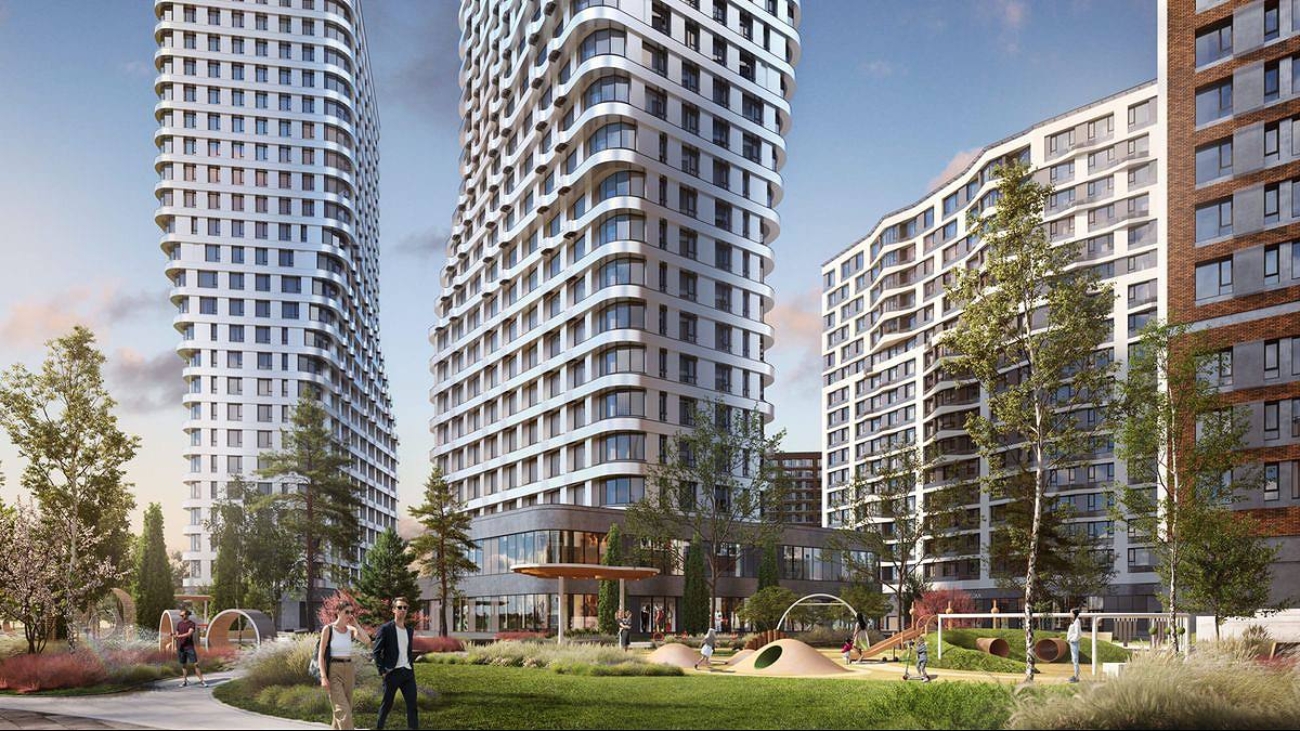
Modern residential complexes create more than just a place to live – they form a complete living environment. Architectural logic, building density, the organization of courtyard spaces, and interaction with the urban context directly shape everyday life scenarios. When analyzing projects, RentSale RealEstate specialists assess whether a complex provides a sense of privacy while remaining open, functional, and comfortable for residents.

One of the key factors is the functionality of shared spaces. Entrance areas, lobbies, elevator halls, leisure zones, and coworking spaces are no longer secondary elements. They shape first impressions, define service standards, and influence how the complex is perceived as a unified product. At RentSale RealEstate, these spaces are analyzed in terms of usability, durability, and their ability to remain relevant over time.

Equally important is the logic of internal infrastructure. Parking areas, storage systems, children’s and sports facilities must not merely exist formally but be thoughtfully integrated into the overall structure of the complex. Mistakes at this level often lead to reduced comfort and increased conflicts among residents. That is why RentSale RealEstate considers engineering and planning solutions as part of the project’s overall concept.

Special attention is given to residential complex management. The quality of service after occupancy directly affects asset preservation and the overall condition of the environment. Professional management, transparent maintenance systems, and clear operating rules become critical factors in investment stability. At RentSale RealEstate, these parameters are evaluated even before a purchase decision is made.

Architectural expressiveness also plays an important role. Visual identity, façade materials, and carefully designed detailing shape how a project is perceived in the market. Residential complexes with a strong architectural concept age more slowly and retain their attractiveness for buyers and tenants over a longer period. RentSale RealEstate views this aspect as a key element of long-term liquidity.

The interaction between the complex and its surroundings requires separate analysis. Connectivity to urban infrastructure, the presence of green areas, walkable routes, and access to public spaces significantly enhance a project’s value. Complexes that are isolated from the city or overloaded with traffic tend to lose competitive advantages more quickly.

As a result, evaluating next-generation residential complexes goes far beyond selecting a specific apartment. At RentSale RealEstate, the project concept is regarded as the foundation of quality of life and investment reliability. This comprehensive approach makes it possible to select properties that maintain value, comfort, and demand for many years.

Previously, we wrote about Infrastructure through the lens of RentSale RealEstate – how we evaluate a property’s surroundings and their impact on living comfort and liquidity.

photo_2026-01-15_16-46-50

Second-level investments – how RentSale RealEstate works with property beyond the classic return-driven logic

Real estate investments are traditionally associated with price growth or stable rental income. However, according to architect Raúl Llorente, this approach reflects only the first level of market understanding. In the practice of RentSale RealEstate, working with property goes far beyond conventional yield logic and is built on deeper analysis of resilience, adaptability, and long-term development scenarios.

Second-level investments begin where simple percentage calculations end. The key question here is not only “how much income can a property generate,” but also “what role will it play in the years ahead.” Space is viewed as a system capable of changing function, audience, and usage format without losing value. It is precisely these properties that demonstrate stability during periods of market volatility.

One of the core parameters of second-level investment is flexibility. The ability to transform layouts, adjust usage scenarios, or adapt to new market demands often proves more important than current yield. At RentSale RealEstate, such flexibility is embedded at the selection stage so that the investment does not depend on a single scenario.

Context of ownership is equally important. Second-level investments consider how a property fits into a client’s broader portfolio, which risks it balances, and which objectives it serves – from capital preservation to intergenerational transfer. In this framework, real estate becomes a strategic instrument rather than a standalone asset with isolated returns.

The quality of the surrounding environment plays a decisive role as well. Infrastructure, green areas, public spaces, and the social profile of a district directly influence demand resilience. Even with moderate financial indicators, such properties retain value thanks to high living quality and stable market interest. This factor often distinguishes second-level investments from purely speculative purchases.

Technical condition and structural logic are also critical. Properties with well-designed engineering systems, structural durability, and modernization potential are less vulnerable to functional obsolescence. At RentSale RealEstate, these aspects are treated as elements of investment security rather than secondary details.

Second-level investments require a different time horizon. Instead of focusing on short-term metrics, attention is placed on a property’s ability to remain relevant amid changing conditions – from regulatory shifts to evolving lifestyles. This approach reduces dependence on market cycles and increases capital stability.

Emotional value also plays a role. Spaces where people genuinely feel comfortable living or working tend to retain demand longer. Although difficult to quantify, this factor often determines long-term liquidity. At RentSale RealEstate, such qualitative elements are analyzed alongside financial and legal parameters.

Ultimately, second-level investments are built on a comprehensive approach. Property is not treated as a source of quick profit, but as an asset capable of preserving and enhancing value through flexibility, environmental quality, and strategic thinking. This is the logic RentSale RealEstate applies when working with real estate, helping clients move beyond classical investment models.

Previously, we wrote about Real estate in Spain through the eyes of a foreign buyer – where expectation gaps most often arise.


photo_2026-01-15_16-45-04

Green environment as an asset – how RentSale RealEstate considers greenery and public spaces when selecting property

When selecting real estate, attention is often focused on the property itself. However, architect Raúl Llorente says that quality of life and long-term value are shaped not only inside a building, but also by what surrounds it every day. In the professional practice of RentSale RealEstate, green environment is treated as a tangible asset that influences living comfort, emotional well-being, and long-term demand stability.

Greenery around a home directly affects how space is perceived. The presence of parks, squares, green courtyards, and pedestrian zones creates a sense of balance between urban dynamics and calm. Such an environment reduces noise levels, improves the microclimate, and makes everyday life more comfortable. When evaluating properties, RentSale RealEstate specialists always assess not just the existence of green areas, but their real quality and accessibility.

It is important to distinguish between formal landscaping and truly functional green infrastructure. Decorative plantings along roads do not provide the same effect as well-designed public spaces integrated into the residential environment. Green corridors, car-free courtyards, walking routes, and recreational zones significantly increase the value of a property for both living and rental purposes.

Public spaces deserve particular attention. Squares, waterfronts, local parks, and shared courtyards shape the social environment of a neighborhood. They influence the composition of residents, daily usage patterns, and the overall rhythm of life. At RentSale RealEstate, these factors are considered part of a comprehensive location assessment, as they determine how desirable a district will remain over time.

Green environments also affect investment performance. Properties located near high-quality public spaces tend to demonstrate more stable demand and lower price volatility. Even during periods of market uncertainty, such locations maintain attractiveness due to the overall quality of the living environment. This is why RentSale RealEstate evaluates not only current conditions, but also municipal plans for the development of green areas.

Visual factors play an equally important role. Views of green spaces, open horizons, and the absence of dense construction directly in front of windows significantly increase a property’s perceived value. These elements are difficult to quantify, yet they often become decisive during the final selection process. At RentSale RealEstate, such qualitative aspects are assessed alongside technical and legal characteristics.

Green infrastructure is closely linked to a district’s resilience to overdevelopment. Areas with well-planned public spaces adapt more effectively to population growth, tourist flows, and changing urban scenarios. This reduces the risk of environmental degradation and supports long-term property liquidity.

Selecting a property without considering greenery and public spaces means overlooking one of the most critical factors of living quality. The approach of RentSale RealEstate is based on the understanding that real estate is not only walls and square meters, but also the environment in which daily life unfolds. This is why green infrastructure is treated as a strategic element in property selection and evaluation.

Previously, we wrote about Ownership strategy by RentSale RealEstate – how the role of property changes at different stages of an owner’s life.


photo_2026-01-15_16-42-21

Infrastructure through the lens of RentSale RealEstate – how we evaluate a property’s surroundings and their impact on living comfort and liquidity

When choosing real estate, many buyers focus primarily on the property itself – layout, size, and interior condition. However, architect Raúl Llorente believes that true quality of life and long-term investment stability are formed outside the apartment walls. In the professional practice of RentSale RealEstate, infrastructure is treated as one of the key factors defining a property’s lasting value.

The surroundings of a home directly shape everyday living scenarios. Transport accessibility, walkability, proximity to schools, medical facilities, sports and retail services influence not only comfort but also consistent demand. Properties located within well-structured environments tend to preserve liquidity even during market corrections.

Special attention is paid to the transport logic of each area. Proximity to metro stations or major roads does not automatically represent an advantage if it brings excessive noise, congestion, or chaotic traffic. At RentSale RealEstate, the balance between accessibility and privacy is carefully assessed – how easily residents can reach the city while maintaining a calm living environment.

Social infrastructure plays an equally important role. The presence of quality schools, kindergartens, clinics, and daily services significantly increases an area’s attractiveness for families and long-term tenants. This creates stable demand and reduces vacancy risks. When evaluating property, RentSale RealEstate specialists always consider not only existing infrastructure but also future development plans.

The commercial environment surrounding a property also influences its value. Cafés, shops, and services should complement residential use rather than conflict with it. Excessive tourist activity or nightlife-driven commerce can reduce living comfort and, over time, negatively affect liquidity.

Urban planning policy and future district projects require particular attention. New transport hubs, public space renovations, construction restrictions, or zoning changes can significantly impact property value. At RentSale RealEstate, such factors are assessed in advance so clients understand both current conditions and long-term location scenarios.

Human-scale dynamics are equally important – neighborhood composition, building density, and the overall rhythm of the area. These elements cannot be evaluated through photos or listings alone. They become evident only through deep, on-site analysis, which forms a core part of the RentSale RealEstate approach.

Infrastructure ultimately shapes not only daily comfort but also the investment resilience of a property. Homes embedded in well-planned urban environments are easier to resell, more stable in rental demand, and less exposed to sharp market fluctuations. This is why surrounding analysis always stands on equal footing with property evaluation itself.

Previously, we wrote about How RentSale RealEstate identifies a property’s hidden potential – parameters the market does not always see at first glance.

photo_2026-01-14_10-02-41

Real estate in Spain through the eyes of a foreign buyer – where expectation gaps most often arise

Purchasing property in another country is almost always accompanied by inflated or distorted expectations. Architect Raúl Llorente believes that most mistakes foreign buyers make stem from attempting to apply familiar market logic to Spanish reality. In the day-to-day practice of RentSale RealEstate, this pattern appears repeatedly – clients often rely on external impressions without fully considering local regulations, limitations, and long-term ownership implications.

One of the most common misconceptions concerns the idea of a “good price.” For many foreign buyers, an attractive price automatically signals a successful deal. In reality, pricing often reflects hidden characteristics of a property – complex layouts, restrictions on redevelopment, legal nuances, or elevated operating costs. Without professional analysis, these factors usually become apparent only after ownership begins.

Another frequent source of disappointment lies in expectations regarding property condition. A well-presented interior can create a strong impression of quality, while outdated engineering systems, insufficient insulation, or technically obsolete solutions remain unnoticed. This is why at RentSale RealEstate, property evaluation goes far beyond visual appeal and always includes structural and technical assessment.

Location choice is another area where expectations often diverge from reality. Tourist popularity or neighborhood prestige does not necessarily translate into long-term living comfort or investment stability. Noise levels, traffic intensity, seasonality, neighborhood composition, and future urban development plans directly affect daily quality of life and liquidity – factors rarely visible during remote selection.

The legal dimension of a transaction is also frequently underestimated. Foreign buyers may overlook differences in ownership structures, owner obligations, and tax consequences. What appears to be a formally correct transaction can later complicate property management, rental strategy, or resale. At RentSale RealEstate, legal clarity is treated as an integral part of property evaluation rather than a secondary step.

Rental income expectations often prove overly optimistic as well. Projections based on promotional figures or short-term examples rarely reflect real operating conditions. Maintenance costs, vacancy periods, regulatory requirements, and demand fluctuations significantly influence outcomes. Investment scenarios therefore require stress testing and long-term validation.

Emotional decision-making also plays a significant role. Buying property abroad often involves a desire to “fall in love” with a space. While emotional connection matters, without analytical balance it increases the risk of strategic misjudgment. A property must align not only with immediate impressions, but also with future lifestyle and investment scenarios.

Working with foreign buyers requires translating expectations into reality. Clear understanding of local context, honest evaluation of strengths and limitations, and a long-term perspective allow most typical mistakes to be avoided. This approach transforms a property purchase into a conscious decision rather than a compromise that must be managed for years.

Previously, we wrote Ownership rights and legal structures – how the form of ownership affects property security and flexibility in Spain.