
photo_2026-06-23_15-26-53

Signs of a Reliable Real Estate Agency – How RentSale RealEstate Evaluates Professionalism, Transparency, and the Quality of Transaction Support

Choosing a real estate agency today affects far more than just the convenience of communication. It directly influences the quality of an investment decision, transaction security, and the final value of the asset. In a highly competitive market, the difference between a simple intermediary and a truly strong strategic partner becomes especially evident. Architect Raúl Llorente emphasizes that a reliable real estate agency must evaluate properties and support clients on a much deeper level than through a standard process of buying or selling. This involves comprehensive analytics, understanding architectural value, market liquidity, and the ability to identify real risks before decisions are made. At RentSale RealEstate, we see this as the foundation of a professional approach, where trust is built through expertise, transparency, and strategic quality.

One of the first signs of a strong agency is the depth of its analytical approach. A reliable partner does not limit itself to superficial property comparisons or average market pricing. A high-quality agency analyzes location, infrastructure dynamics, architectural characteristics, asset condition, segment liquidity, and long-term capitalization potential. This level of analysis allows clients to make decisions based on facts rather than marketing promises. A real estate agency should function not as a seller of square meters, but as a strategic consultant in capital management through property investment.

Transparency is another essential criterion. In real estate, information asymmetry remains one of the main causes of costly mistakes and financial losses. Clients should clearly understand the structure of the transaction, pricing logic, legal nuances, commission models, and potential risks at every stage. The absence of hidden conditions and the willingness to openly discuss both strengths and weaknesses of a property create a high level of trust. At RentSale RealEstate, we analyze transparency as a key indicator of agency maturity, because professionalism is demonstrated not only through successful sales but also through honesty in communication.

A strong agency is also defined by the quality of transaction support. Real estate work rarely ends with selecting a property or organizing viewings. Behind every successful transaction lies a substantial amount of behind-the-scenes work – negotiations, due diligence, legal verification, coordination between all parties, document analysis, and timeline management. We note that the ability to control the entire process from the initial inquiry to final signing is what separates premium service from basic brokerage.

Market objectivity carries special importance as well. A reliable agency should never promote a property simply because it exists in its portfolio. A professional approach requires the ability to tell a client not only why they should proceed, but also why they may need to walk away. Sometimes the best consultation is preventing a weak transaction. At RentSale RealEstate, we believe protecting client interests is always more important than short-term profit from an individual sale. This principle is what builds long-term reputation.

Understanding the architectural and spatial value of properties also deserves special attention. Real estate is not just about numbers and documents. Layout, natural light, room proportions, engineering infrastructure, and environmental quality significantly influence an asset’s future value. An agency that evaluates property only by price per square meter sees only part of the picture. Deep architectural understanding allows for a more accurate assessment of true property value and future liquidity.

Communication quality also plays a major role. A professional agency knows how to listen to clients, understand their actual goals, and adapt strategy to specific needs. For one client, capital appreciation may be the top priority; for another, family comfort; for a third, wealth preservation through a stable asset. We emphasize that strong transaction support is always personalized and built around individual objectives rather than universal templates.

The psychological aspect of the market should not be ignored either. Real estate transactions are almost always associated with high levels of emotion, responsibility, and financial pressure. A reliable agency should reduce this stress rather than amplify it by bringing structure to the process, clarity to each step, and confidence to decision-making. It is precisely in complex negotiations and нестандартных situations that team quality becomes most visible.

For Rent Sale Real Estate, the signs of a reliable real estate agency represent a combination of deep analytics, transparency, strong transaction support, and strategic understanding of asset value. We emphasize that a truly professional agency does not simply help clients buy or sell property – it creates high-quality decisions capable of protecting capital and generating long-term value. It is this approach that transforms an agency into a genuine strategic partner.

Previously, we wrote about Lease agreements through the lens of architecture – how architect Raul Llorente evaluates the impact of rental terms on property preservation and value
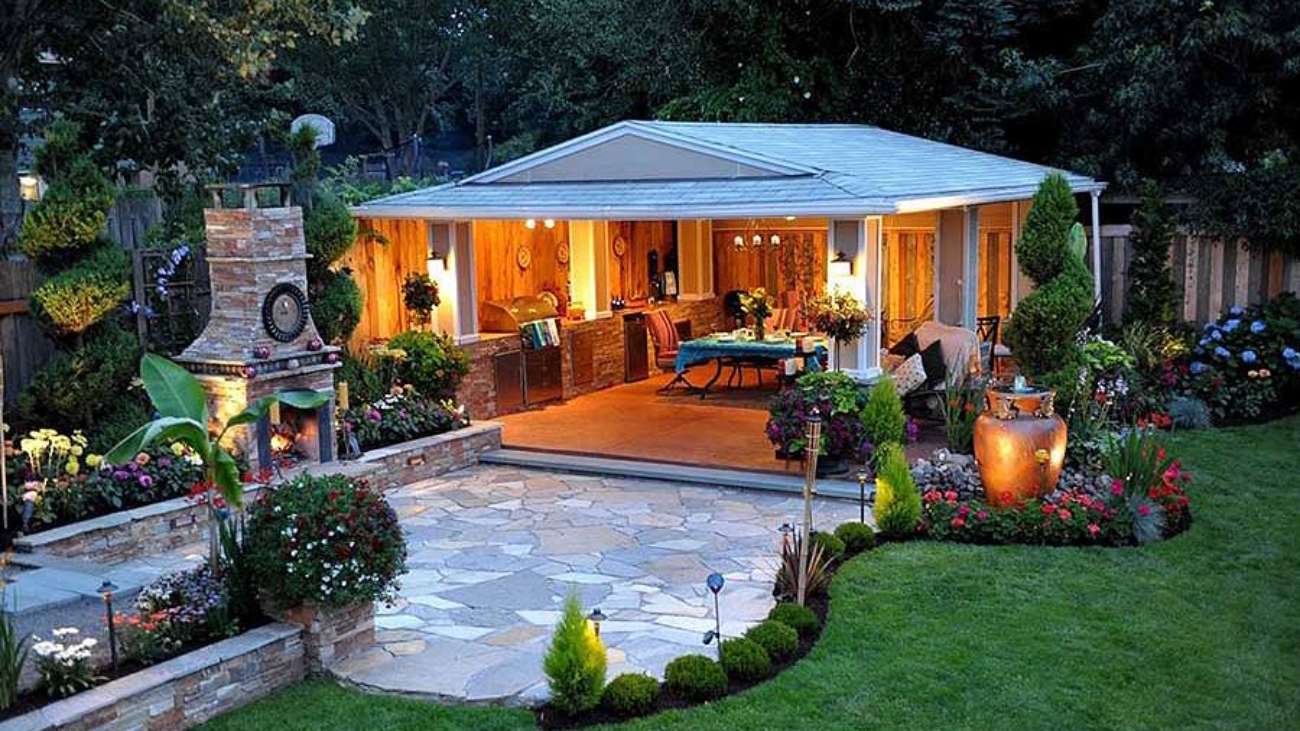

 

photo_2026-06-22_15-38-18

A Cozy and Aesthetically Designed Courtyard – How RentSale RealEstate Evaluates Outdoor Spaces, Landscape Design, and Their Impact on Property Value

High-end real estate is no longer evaluated solely by its interior square footage. Increasingly, the true value of a property is shaped not only by what exists inside the home, but also by how the external environment is organized, how harmoniously it integrates with the architecture, and what kind of living experience it creates. Architect Raúl Llorente notes that a well-designed courtyard is an extension of the architectural concept of the house rather than a separate decorative element, because outdoor space often creates the first and most emotional impression of a property. At RentSale RealEstate, we see this as an important factor in market evaluation, since the aesthetics of the external environment directly influence perceptions of status, comfort, and long-term property value.

One of the key aspects of an attractive courtyard is functionality. A beautiful space without a well-thought-out purpose rarely creates real value. A cozy courtyard should not only look aesthetically pleasing but also be adapted to the owners’ everyday lifestyle. Relaxation terraces, lounge zones, outdoor dining spaces, swimming pools, private corners for seclusion, and safe play areas for children create a complete living environment beyond the house itself. It is this functional depth that transforms a courtyard from a visual addition into a fully integrated lifestyle component of the property.

Landscape design is equally important. Greenery plays a far more complex role than simply decorating a plot of land. Trees, shrubs, lawns, hedges, and vertical gardens influence the microclimate, privacy level, noise insulation, and even the thermal comfort of the area. A properly designed landscape can soften architectural lines, enhance the feeling of seclusion, and visually elevate the premium quality of a property. At RentSale RealEstate, we analyze the quality of outdoor design as a capitalization factor, because a strong external environment significantly increases a property’s competitiveness.

Special attention should be given to the relationship between the courtyard and the architecture of the home. The most valuable properties demonstrate a seamless transition between interior and exterior spaces. Panoramic glazing, large sliding systems, terraces aligned with living areas, and a unified material palette create a sense of spatial continuity. This architectural approach visually expands the home and strengthens the feeling of openness and freedom. We note that seamless integration between internal and external environments has become one of the defining characteristics of premium real estate.

Lighting also plays a critically important role in courtyard perception. Daylight reveals the textures of stone, wood, greenery, and architectural surfaces, while evening illumination creates an entirely different atmosphere. Landscape lighting can enhance depth, create intimacy, and highlight architectural focal points. At RentSale RealEstate, we believe a well-designed outdoor lighting scenario directly affects the emotional value of a property, because atmosphere often determines the subjective perception of luxury.

It is particularly interesting to observe the psychological influence of the outdoor environment on the perception of a home. People instantly interpret the quality of a space through visual and sensory signals. The level of privacy, the balance between open and enclosed areas, acoustic comfort, the presence of natural elements, and compositional harmony all shape feelings of calm and security. This explains why some properties create a powerful impression even before entering the building. The external environment becomes part of the emotional experience of interacting with real estate.

The influence of a courtyard on market liquidity also deserves attention. In highly competitive real estate segments, buyers increasingly evaluate not only the house itself but the entire living ecosystem. Properties with thoughtfully designed outdoor areas are perceived as more complete and prestigious. This is especially evident in family homes, villas, and premium residences, where outdoor comfort becomes an important component of the asset’s overall value.

We also emphasize that an aesthetically designed courtyard is not merely a matter of taste or visual beauty. It is an investment in quality of life, architectural integrity, and long-term market resilience. The stronger the external environment enhances the perception of the property, the greater its ability to maintain liquidity even under changing market conditions.

For Rent Sale Real Estate, a cozy and aesthetically designed courtyard represents a combination of architecture, landscape design, functionality, and emotional comfort. We emphasize that the most valuable properties are created where outdoor space becomes a natural extension of the home and enhances everyday living quality. These are the design solutions that create additional market premium and sustainable long-term value.

Previously, we wrote about Engineering systems in residential property – how architect Raul Llorente evaluates technical infrastructure as the foundation of comfort, safety and long-term value

photo_2026-06-22_15-38-13

Features of Selling Real Estate – RentSale RealEstate Perspective on Property Preparation, Positioning Strategy, and the Factors Behind a Successful Transaction

Selling real estate is rarely as simple as listing a property and waiting for a buyer. In today’s market, a successful transaction is increasingly determined by the quality of asset preparation, the precision of the positioning strategy, and a deep understanding of the factors that shape buyer perception. Architect Raúl Llorente analyzes the process of selling real estate not only through market pricing, but also through the architectural presentation of the property, the emotional perception of space, and the asset’s ability to stand out among competitors. At RentSale RealEstate, we see this as the foundation of a strong sales strategy, because the final transaction value is often shaped long before the first viewing takes place.

One of the key stages of a successful sale is preparing the property for market entry. Even a high-quality asset can lose part of its market appeal if presented poorly. Visual perception plays a critical role because first impressions are formed within seconds. The condition of finishes, lighting quality, order within the space, cleanliness, interior neutrality, and the overall sense of maintenance directly influence buyer interest. Proper preparation allows the strongest features of a property to be highlighted while minimizing visual barriers that could reduce perceived value.

An equally important factor is accurate pricing. Mistakes at the stage of setting the initial asking price can significantly slow down the sale. Overpricing reduces the number of potential buyers and increases market exposure time, while pricing too low can lead to unnecessary capital loss. True market pricing must take into account not only comparable properties in the area, but also architectural characteristics, liquidity, property condition, and the structure of current demand. At RentSale RealEstate, we analyze pricing as a strategic tool, because an accurate starting position directly affects both transaction speed and sale quality.

Positioning strategy carries special importance. The same property can be perceived by the market in completely different ways depending on how it is presented. It is not enough to simply list the features of a property – its strongest advantages must be identified and communicated to the right target audience. For family housing, emphasis may be placed on safety, infrastructure, and comfort. For investment assets, the focus may shift toward yield, liquidity, and growth potential. We note that strong positioning generates not only interest but also increases the perceived value of the asset.

The emotional factor of purchasing deserves particular attention. Despite the importance of financial calculations, real estate decisions are rarely made through rational analysis alone. Buyers evaluate not only square meters but also the feelings a space creates. Light, views, room proportions, atmosphere, and overall aesthetics all contribute to an emotional connection with the property. This explains why some properties sell faster even when their objective characteristics are similar to competing listings. At RentSale RealEstate, we believe emotional appeal can become a powerful driver of a successful transaction.

Marketing quality also plays a substantial role. Professional photography, high-quality visual materials, well-crafted descriptions, and thoughtful market communication shape buyer perception long before a physical viewing occurs. In a saturated market, buyers initially respond to presentation quality. Weak marketing packaging can reduce interest even in a strong asset, while excellent presentation amplifies competitive advantages.

It is especially interesting to observe how liquidity within a specific segment affects selling speed. Some categories of real estate maintain stable demand regardless of market cycles, while others require more precise timing for market entry. Understanding current buyer behavior makes it possible to adjust the sales strategy according to market conditions. We emphasize that a successful transaction requires not only a quality asset but also the right timing.

We also note that selling real estate is not simply the transfer of an asset to a new owner. It is the strategic realization of value, where every detail matters – from property preparation to final negotiations. The more precisely the strategy is structured, the greater the probability of achieving an optimal result.

For Rent Sale Real Estate, the features of selling real estate represent a combination of precise valuation, intelligent positioning, strong visual presentation, and a deep understanding of buyer psychology. We emphasize that the most successful transactions occur where market analytics are combined with architectural understanding of property value. It is this approach that makes it possible to unlock the full potential of real estate and achieve strong results in the sales process.

Previously, we wrote about Insurance guarantees for landlords – the RentSale RealEstate approach to protecting income and reducing rental risks

photo_2026-06-22_15-38-09

Real Estate Valuation – RentSale RealEstate Approach to Evaluating Market Price, Hidden Value Drivers, and Asset Capitalization Potential

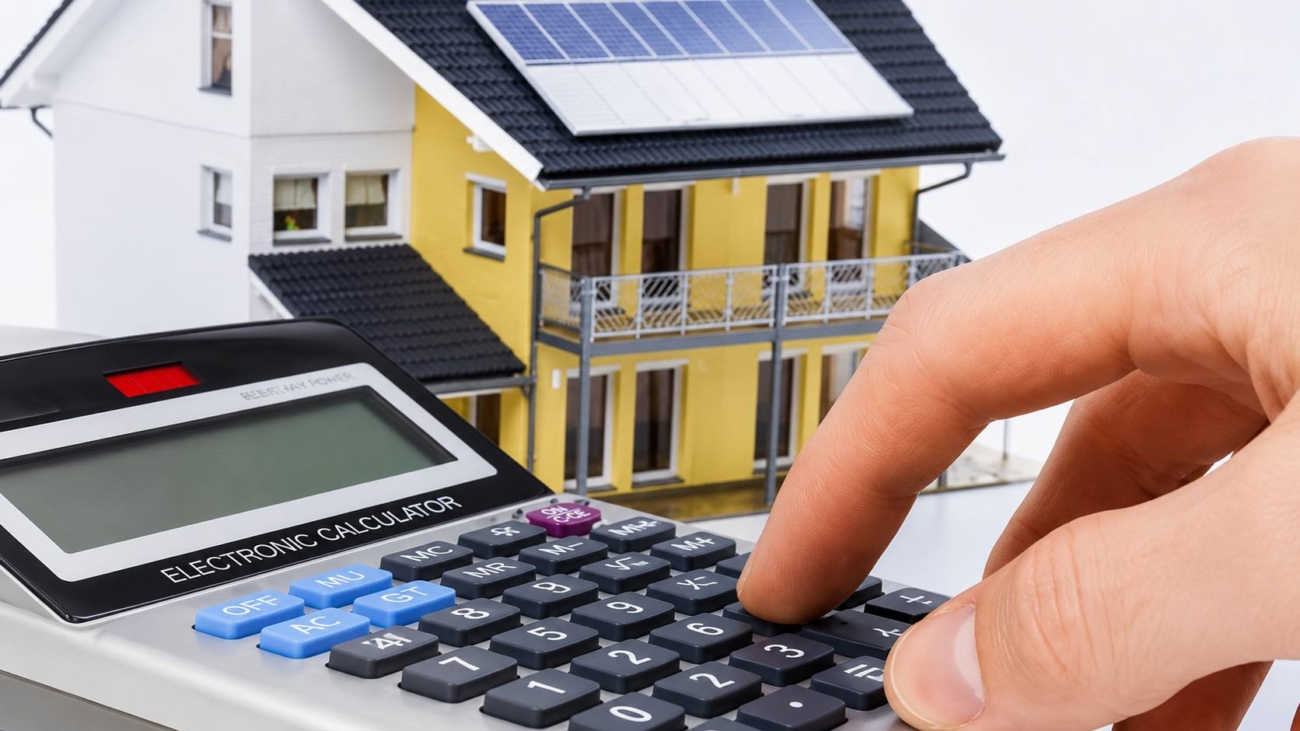
Real estate valuation is far more complex than simply comparing the price per square meter with similar properties on the market. The true value of an asset is formed at the intersection of multiple factors – from architectural quality and location to liquidity, environmental conditions, and future growth potential. Architect Raúl Llorente emphasizes that professional property valuation must take into account not only the current market price of an asset, but also its hidden characteristics that may influence long-term capitalization. At RentSale RealEstate, we see this as a fundamental approach to asset analysis, because strong valuation is built not on superficial metrics, but on a deep understanding of the property’s real value.

One of the core factors in determining value remains location. However, the modern market shows that geography alone no longer provides a complete picture. Even within the same district, property values can differ significantly depending on transport accessibility, noise levels, infrastructure quality, views, and the overall perception of the surrounding environment. Proximity to the sea, parks, business centers, or prestigious educational institutions can create a significant premium in value. At the same time, negative factors such as congested roads, poor environmental conditions, or chaotic urban development can reduce market appeal even in formally strong locations.

An equally important parameter is the architectural quality of the property itself. Layout, ceiling height, volume of natural light, window orientation, spatial functionality, and overall quality of design solutions directly influence how buyers perceive real estate. Two properties of identical size may have completely different market values purely because of the quality of their internal architecture. At RentSale RealEstate, we analyze spatial characteristics as a key valuation factor, since architectural logic often determines future liquidity and demand stability.

Special attention should be given to hidden value drivers that may not be obvious during initial analysis. These include engineering system quality, energy efficiency, sound insulation, privacy, the condition of shared spaces, and even the overall management of the property. These parameters are rarely reflected directly in marketing materials, yet they significantly affect the real value of an asset. We note that hidden characteristics are often what separate an overpriced property from a genuinely strong investment asset.

Market liquidity also plays a critical role. Property value should be evaluated not only through its potential selling price today, but also through the speed and ease of future resale. Even highly expensive real estate may have weak liquidity if demand for comparable assets is limited. At RentSale RealEstate, we believe a strong asset must preserve attractiveness across different market cycles, giving owners flexibility for sale, rental, or portfolio restructuring.

It is particularly interesting to observe how capitalization potential is formed. Not all real estate appreciates at the same rate. Some assets may have already reached their price ceiling, while others hold strong growth potential due to infrastructure development, urban transformation, or rising demand within specific market segments. The ability to identify future growth drivers allows real estate to be evaluated strategically rather than purely through current numbers.

The emotional factor of the market also carries substantial influence. Buyers do not always make decisions based solely on rational calculations. Perception of space, property aesthetics, sense of status, and environmental quality can significantly influence market pricing. This is especially visible in the premium segment, where emotional value often becomes an important component of pricing. We emphasize that accurate valuation requires understanding both rational and behavioral drivers of demand.

We also note that professional real estate valuation is impossible without analyzing the broader macro-market context. Interest rates, cost of capital, inflation, and overall economic dynamics influence asset valuations no less than the characteristics of the property itself. Strong valuation is always built on the combination of micro- and macro-level analysis.

For Rent Sale Real Estate, real estate valuation represents a comprehensive analytical model that combines market data, architectural quality, hidden value factors, and future capitalization potential. We emphasize that the most accurate valuation emerges where numerical analysis is complemented by deep understanding of the nature of the asset. It is this approach that makes it possible to identify the true value of real estate and make strategically strong investment decisions.

Previously, we wrote about Residential property grounds – the RentSale RealEstate approach to evaluating outdoor space as a factor of comfort, status and market appeal


photo_2026-06-19_15-05-44

Family-Type Homes – RentSale RealEstate Perspective on Architectural Solutions, Layouts, and Housing Characteristics for Comfortable Family Living

Choosing a family home today is defined by far more complex criteria than simply the number of rooms or total square footage. Modern families evaluate housing as a space that must support everyday routines, provide comfort for every family member, and remain functional in the long term. Architect Raúl Llorente believes that a high-quality family home should be designed not only around architectural aesthetics, but also around real-life daily scenarios, where layout, privacy, and spatial logic directly influence quality of living. At RentSale RealEstate, we see this as a fundamental principle in evaluating family-oriented real estate, because true comfort is created where architecture works in harmony with the lifestyle of the family.

One of the most important factors in a family home is intelligent spatial zoning. Housing designed for family life must simultaneously provide shared areas for interaction and private zones for the individual comfort of each family member. Living rooms, kitchens, and dining spaces are increasingly integrated into a unified social core of the home, creating an environment for communication and shared experiences. At the same time, bedrooms, home offices, and children’s rooms require sufficient sound insulation and privacy. The balance between openness and seclusion becomes one of the key architectural criteria of high-quality family housing.

An equally important parameter is layout functionality. Space must be capable of adapting to the changing needs of a family over time. A house that is ideal for a couple today may require a completely different spatial logic after children arrive or working patterns change. Additional rooms, flexible zones, storage areas, and the ability to repurpose spaces all increase the long-term value of the property. At RentSale RealEstate, we analyze layout flexibility as one of the strongest indicators of future liquidity, because adaptable housing retains relevance for much longer.

Safety carries special significance in family housing. This criterion extends far beyond surveillance systems or access control. The safety of a family home is also shaped by architectural logic – convenient staircases, secure outdoor areas, well-designed lighting, the absence of potentially hazardous structural features, and reliable engineering systems. We note that family-oriented buyers are becoming increasingly attentive to details that directly influence the daily sense of protection and security.

The surrounding environment also plays a major role. A family home cannot be evaluated in isolation from the district in which it is located. Proximity to schools, medical facilities, parks, sports infrastructure, children’s activity zones, and transport hubs directly affects the family’s quality of life. Even a strong architectural asset may lose investment appeal if surrounded by weak infrastructure. At RentSale RealEstate, we believe family real estate must be evaluated through a holistic ecosystem where environmental quality strengthens the value of the property itself.

It is particularly interesting to observe how family buyer expectations have evolved in recent years. While the primary goal in the past was often simply to secure sufficient space, today greater importance is placed on quality of light, connection to nature, energy efficiency, and emotional comfort. Panoramic windows, terraces, gardens, natural light, and visual openness have become essential components of modern family living. A home is increasingly viewed not merely as a place to live, but as an environment that influences the psychological well-being of the family.

The long-term investment value of family-type homes also deserves attention. Such properties generally demonstrate stable demand even during periods of market volatility, since the family segment remains one of the most resilient sectors in real estate. High-quality homes in strong locations preserve liquidity through consistent demand from buyers focused on long-term living.

We also emphasize that the best family home is defined not by luxury or size, but by the ability of the space to support comfortable, safe, and harmonious living. It is architectural intelligence that transforms real estate into an asset equally valuable for living and capital preservation.

For Rent Sale Real Estate, family-type homes represent a combination of architectural functionality, flexible layouts, safe environments, and strong locational potential. We emphasize that the most valuable assets are created where spatial quality aligns with real family needs while preserving long-term market appeal. These are the homes that create sustainable value and a consistently high quality of life.

Previously, we wrote about The Spanish commercial property market – investor motivation and the RentSale RealEstate evaluation of returns and long-term demand

photo_2026-06-19_15-05-39

Global Real Estate Assets – How RentSale RealEstate Evaluates International Markets, Capital Diversification, and Investment Protection Strategies

The modern investment landscape is increasingly moving toward global diversification, where capital is no longer tied to a single country or one asset class. Against the backdrop of macroeconomic instability, inflationary pressure, shifting interest rates, and geopolitical volatility, investors are increasingly viewing international real estate as a tool not only for growth but also for capital protection. Architect Raúl Llorente emphasizes that global real estate investments should be evaluated not only through potential returns, but also through location resilience, architectural quality of assets, and the market’s ability to maintain liquidity throughout long-term cycles. At RentSale RealEstate, we see this as the foundation of a modern investment strategy, where portfolio strength is determined by the balance between profitability, stability, and protection against systemic risks.

One of the key advantages of global assets is diversification. Concentrating capital within a single market increases investor exposure to local economic cycles, tax changes, and political decisions. Distributing investments across multiple countries reduces this vulnerability. Southern European markets, premium resort destinations, major business hubs, and cities with stable rental demand all demonstrate different behavioral patterns, creating a more balanced investment structure. This approach helps reduce portfolio volatility and improve resilience during periods of market turbulence.

Another critical factor is the ability to correctly evaluate the maturity of international markets. High returns alone do not automatically make a market attractive. Legal transparency, protection of property rights, demand depth, asset liquidity, and infrastructure quality all play essential roles. At RentSale RealEstate, we analyze international markets through a combination of fundamental indicators, because investment attractiveness emerges where price growth is supported by genuine demand rather than short-term market hype.

It is particularly interesting to observe how the role of real estate itself is evolving within global capital structures. While property was once viewed primarily as a conservative asset with limited flexibility, today high-quality real estate in strong international locations has become part of complex capital preservation and allocation strategies. Real estate can simultaneously perform several functions – generating rental income, providing inflation protection, and preserving value over the long term. We note that this multifunctionality is precisely what makes real estate especially attractive to strategic investors.

Investment protection strategies deserve special attention as well. In conditions of global uncertainty, investors increasingly focus on assets capable of preserving value even during stress scenarios. Locations with limited land supply, stable international demand, and strong economic foundations tend to demonstrate greater resilience to external shocks. At the same time, not only the country but also the specific market segment matters – premium residential, commercial assets, and resort real estate may all respond differently under identical economic conditions. At RentSale RealEstate, we believe capital protection begins with choosing the right market, not just the right property.

Currency exposure also plays a major role. International investments allow capital to be diversified not only across assets but also across currency zones. This becomes especially important during periods of elevated inflation or instability in domestic currencies. Real estate in strong currency jurisdictions can serve as an additional financial protection mechanism, particularly for investors with long-term horizons.

The psychological dimension of global investing should not be overlooked either. In an environment saturated with information, investors often make decisions based on short-term trends or loud market narratives. However, strong international strategies require discipline, deep analysis, and the ability to separate genuine fundamental signals from temporary hype. It is this disciplined approach that enables the creation of resilient portfolios capable of performing across different market cycles.

We also emphasize that the effectiveness of an international portfolio is determined not by the number of properties it contains, but by the quality of asset selection. A strong portfolio is built around properties capable of maintaining liquidity, generating income, and delivering long-term appreciation. This requires a strategic framework in which each property is viewed as part of a unified capital management system.

At Rent Sale Real Estate, global real estate assets represent a strategy built on diversification, international market analytics, and deep understanding of capital protection mechanisms. We emphasize that the most resilient investment decisions are formed where strong locations, quality assets, and long-term market stability operate as one integrated investment system. It is this approach that allows capital to be protected effectively while creating sustainable growth potential.

Previously, we wrote about Seasonal living by the sea – the RentSale RealEstate evaluation of coastal property in terms of comfort, liquidity and investment efficiency

photo_2026-06-19_15-05-34

Pre-Purchase Inspection of New Developments – RentSale RealEstate Approach to Evaluating Construction Quality, Developer Reliability, and Hidden Risks in New Housing

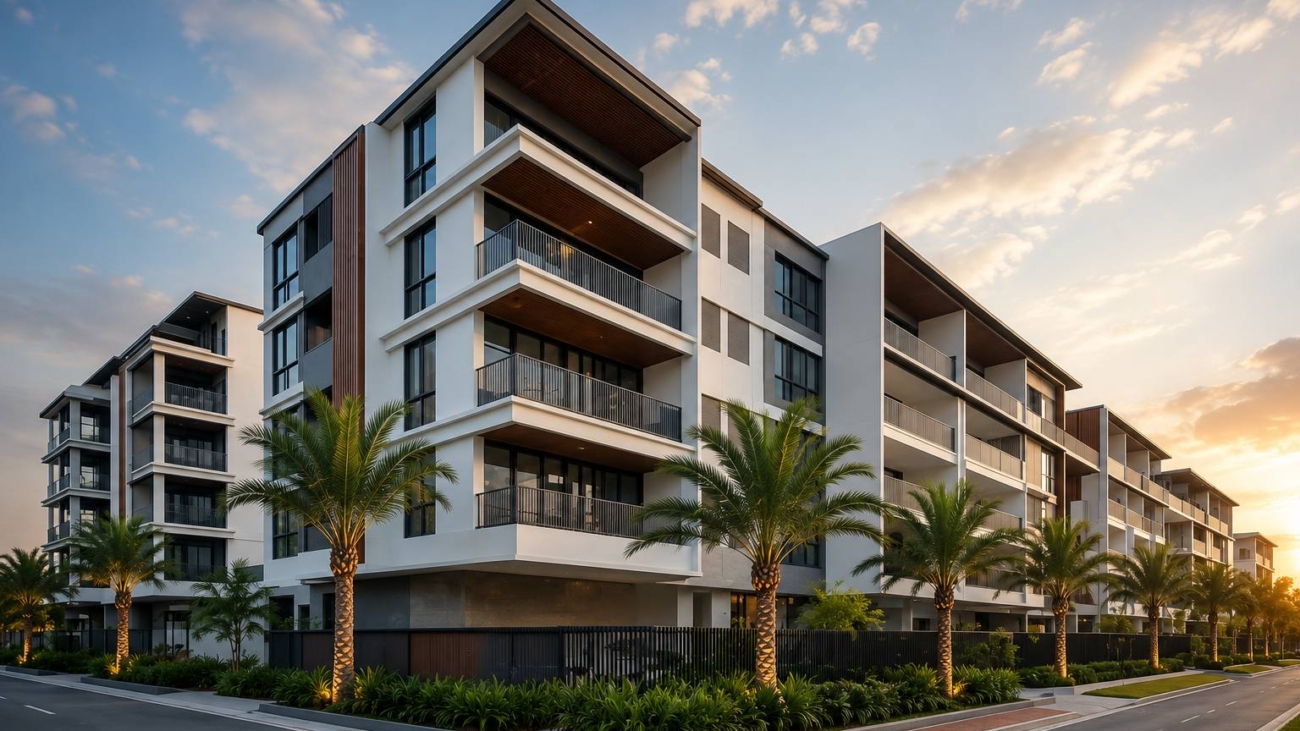
Purchasing an apartment in a new development is often associated with modern living, new engineering systems, and minimal technical maintenance costs for years to come. However, a newly built property does not automatically mean the absence of risk. Behind attractive renderings, polished marketing presentations, and developer promises, there may be underlying factors capable of significantly affecting future liquidity and the true value of the asset. Architect Raúl Llorente analyzes new developments not only through architectural aesthetics or price per square meter, but also through the quality of structural solutions, engineering reliability, and the project’s long-term sustainability. At RentSale RealEstate, we see this as the foundation of professional evaluation, because a strong asset is defined not by marketing presentation, but by the actual quality of execution.

One of the first factors to evaluate is the developer’s reputation. The history of completed projects, adherence to construction deadlines, financial stability, and the quality of previously delivered properties often provide far more insight than promotional materials. A developer creates not just a building, but an investment product with a specific level of reliability. Even a strong location cannot always compensate for weak project execution. This is why developer analysis becomes a fundamental part of pre-purchase due diligence.

The quality of construction itself is equally important. During property viewings, buyers often focus on visible details such as lobby finishes, façade design, or showroom presentation. Yet the real value of a new development lies much deeper. The quality of structural concrete work, sound insulation, engineering systems, ventilation solutions, waterproofing, and energy efficiency directly affects living comfort and future operating costs. At RentSale RealEstate, we analyze these parameters as core indicators of long-term liquidity, since technical deficiencies can reduce an asset’s attractiveness even when architectural quality appears strong.

Special attention should also be given to spatial planning logic. A new apartment may look modern while still offering weak functional usability. Narrow corridors, insufficient natural light, poor zoning, or limited layout flexibility can significantly reduce living quality. A strong architectural product is defined not only by visual aesthetics but also by efficient use of every square meter. We note that functional spatial design remains one of the most underestimated factors when purchasing new developments.

Another major category of risk relates to documentation and the project’s legal structure. Construction permits, land status, ownership conditions, contractual obligations, and potential legal limitations must all be verified carefully. In the primary market, legal nuances can directly affect delivery timelines and transaction security. At RentSale RealEstate, we believe legal transparency is just as important as architectural quality, because even a strong property loses investment appeal when legal risks are present.

The project’s surrounding environment also plays a major role. A new development does not exist in isolation from the urban ecosystem. Future transport accessibility, commercial infrastructure, educational institutions, noise levels, district quality, and long-term development prospects all influence the future value of real estate. In some cases, an attractive new complex is built in an environment that does not support long-term appreciation. This is why evaluation must extend beyond the building itself to include the entire ecosystem around it.

The psychological aspect should not be underestimated either. Marketing for new developments has become an extremely powerful tool influencing buyer perception. Renderings, visualizations, and sophisticated presentations can create emotional attachment long before objective analysis begins. This increases the risk of overvaluing a property. We emphasize that the ability to separate marketing packaging from real quality is one of the key skills of a strong investor.

We also note that hidden risks often become visible only after project completion. High operating costs, engineering issues, weak building management, or rapid functional obsolescence can all affect future capitalization. For this reason, a high-quality inspection of a new development always requires analysis not only of the current condition but also of the property’s future life cycle.

For Rent Sale Real Estate, pre-purchase inspection of new developments represents a comprehensive evaluation of the developer, construction quality, legal structure, and environmental prospects. We emphasize that the strongest investment decisions are made when a project’s external attractiveness is supported by genuine fundamental value. It is this approach that minimizes hidden risks and allows investors to select assets with high liquidity and strong long-term growth potential.

Previously, we wrote about Geography of real estate investment – the RentSale RealEstate approach to evaluating regions in terms of profitability, demand stability and growth potential

photo_2026-06-18_13-49-39

Infrastructure and Building Class – RentSale RealEstate Perspective on How Surroundings and Project Quality Shape Property Value and Liquidity

Property value is determined by far more than square footage, number of rooms, or basic location. The modern real estate market increasingly demonstrates that the price per square meter is shaped by a complex combination of factors, among which district infrastructure and building class play central roles. Architect Raúl Llorente emphasizes that the long-term value of real estate depends not only on the property itself, but also on the quality of the environment in which it is integrated, as well as the architectural standard of the project. At RentSale RealEstate, we see this as one of the fundamental principles of asset evaluation, since strong surroundings and a high-quality product create sustainable market appeal even during periods of shifting demand.

One of the most important factors influencing liquidity is district infrastructure. For today’s buyers, the value of housing is increasingly no longer limited to the walls of an apartment or house. Access to transport hubs, educational institutions, medical centers, commercial infrastructure, restaurants, public spaces, and recreational zones directly influences the perception of quality of life. Areas with developed infrastructure provide not only greater comfort but also stronger and more stable demand from both end buyers and tenants. This is precisely why high-quality surroundings are capable of creating an additional premium in property value.

It is particularly interesting to observe how infrastructure affects long-term asset appreciation. The emergence of new transport routes, business clusters, parks, or large commercial projects can significantly alter a district’s market dynamics. Locations once considered secondary may move into the category of rapidly growing investment zones. At RentSale RealEstate, we analyze infrastructure dynamics as one of the strongest indicators of future price growth, because quality environmental development almost always strengthens property liquidity.

An equally important parameter is the class of the building itself. In today’s market, the difference between comfort, business, and premium segments is becoming increasingly pronounced not only in terms of finishes but also in architectural concept, engineering solutions, and overall spatial organization. Building class influences everything – from facade materials and security systems to privacy levels, services, and shared amenities within the project. This creates not merely physical characteristics, but the property’s overall market positioning.

High-end buyers are becoming increasingly demanding when it comes to details. Premium entrance lobbies, modern elevator systems, private amenities, thoughtfully designed leisure zones, fitness spaces, and advanced security systems are becoming important elements of asset value. At RentSale RealEstate, we believe building class directly influences speed of sale, rental potential, and a property’s ability to remain competitive over the long term. The higher the product quality, the stronger its resilience to market fluctuations.

At the same time, it is important to understand that even a premium building cannot always compensate for weak infrastructure, just as a strong location alone does not guarantee maximum liquidity when project quality is low. The market assigns the highest value to properties where superior building class is combined with strong surroundings. It is precisely the synergy of these factors that creates the most resilient investment model. We note that the most liquid properties are almost always positioned at the intersection of strong architecture and well-developed urban environments.

The psychological aspect of property perception also deserves attention. Buyers rarely analyze infrastructure and building class as separate categories during their first encounter with a property, yet the overall impression of environmental quality forms instantly. Entrance comfort, noise levels, the quality of public spaces, and the general aesthetics of the surroundings directly affect emotional perception of the asset. This often becomes the factor that accelerates purchase decisions.

We also emphasize that future property liquidity will increasingly depend on a project’s ability to meet rising buyer expectations. Urban environments are becoming more competitive, while quality standards continue to rise. Properties unable to adapt to evolving market requirements risk losing attractiveness much faster than before.

For Rent Sale Real Estate, infrastructure and building class represent an interconnected system of factors that determine real property value and long-term liquidity. We emphasize that the strongest assets are created where quality architecture is supported by developed infrastructure and a strong urban environment. It is this combination that creates sustainable market value capable of being preserved and strengthened over the long term.

Previously, we wrote about Property security – the RentSale RealEstate approach to evaluating architectural, technical and location-based protection factors

photo_2026-06-18_13-48-41

Investment Scenarios in New Developments – How RentSale RealEstate Evaluates Entry Points, Development Risks, and Capitalization Potential at Different Construction Stages

Investing in new developments remains one of the most discussed segments of the real estate market, as this is where significant capital appreciation potential is often created even before a property is completed. However, high potential returns are almost always accompanied by a more complex system of risk assessment. Architect Raúl Llorente notes that the investment attractiveness of a new development is determined not only by the final price per square meter, but also by the quality of the developer’s strategy, the project’s architectural concept, and the precision of choosing the right entry point. At RentSale RealEstate, we see this as an investment model where success depends directly on analytical depth and the ability to evaluate an asset at different stages of its formation.

One of the key questions in new development investments is the choice of entry point. The earliest stage – purchasing at the excavation or pre-construction phase – traditionally offers the lowest entry price and the highest capitalization potential by the time construction is completed. As the project progresses, property value typically increases alongside declining construction risks and growing market confidence. This mechanism makes early entry particularly attractive for investors focused on future appreciation. However, higher potential returns at early stages are inevitably accompanied by greater uncertainty.

At the same time, it is important to understand that not every new development automatically carries strong investment potential. The quality of the developer, its reputation, financial stability, and ability to meet project deadlines play a decisive role. Construction delays, changes in project documentation, or reduced execution quality can significantly lower expected returns. At RentSale RealEstate, we analyze development risk as one of the central factors in investment decisions, because even a strong location does not always compensate for weak project execution.

The architectural component of a project is equally important. In today’s market, the liquidity of a new development increasingly depends not only on location but also on product quality. Thoughtful layouts, efficient space utilization, high-quality shared areas, energy-efficient solutions, and contemporary architectural aesthetics shape the long-term competitiveness of a property. We note that projects with strong architectural concepts tend to preserve market attractiveness far better, even years after construction is completed.

It is particularly interesting to observe how the investor profile in the new development segment is changing. While many previously focused primarily on quick resale after project delivery, an increasing amount of capital is now directed toward strategies built around long-term liquidity and stable rental demand. This means investors are analyzing not only potential price growth but also the future desirability of the property among end buyers and tenants. At RentSale RealEstate, we believe the strongest investment scenarios emerge where capitalization is supported by genuine market demand rather than short-term speculative excitement.

The macroeconomic environment also has a substantial influence. Financing costs, inflation, construction material availability, and regulatory changes directly affect the primary real estate market. These factors can either accelerate price growth or increase development-related risks. As a result, investing in new developments requires constant analysis not only of the project itself but also of the broader market environment.

Special attention should be given to the near-completion stage – the period when a project is close to delivery. At this point, many risks have already been reduced, while appreciation potential may still remain significant. For more conservative investors, this scenario often becomes the optimal balance between profitability and risk exposure. The choice of strategy depends on investment profile, time horizon, and willingness to operate under uncertainty.

We also emphasize that successful investment in new developments requires evaluation of the project’s entire ecosystem. District infrastructure, transport accessibility, environmental quality, and future demand must all be assessed as one interconnected system. It is the combination of these factors that ultimately determines the real liquidity of an asset after completion.

At Rent Sale Real Estate, investment scenarios in new developments represent a strategy where timing, development quality, and the project’s ability to preserve long-term market value play decisive roles. We emphasize that the strongest opportunities emerge where high capitalization potential is combined with quality architecture and sustainable demand. It is this approach that transforms new developments into assets with strong investment potential and high liquidity.

Previously, we wrote about RentSale RealEstate – a strategic real estate partner combining architectural expertise, analytics and investment strategy

photo_2026-06-18_13-49-27

Current State of the Real Estate Market – RentSale RealEstate Conclusions on Key Trends, Demand Shifts, and Buyer Behavior in the Current Cycle

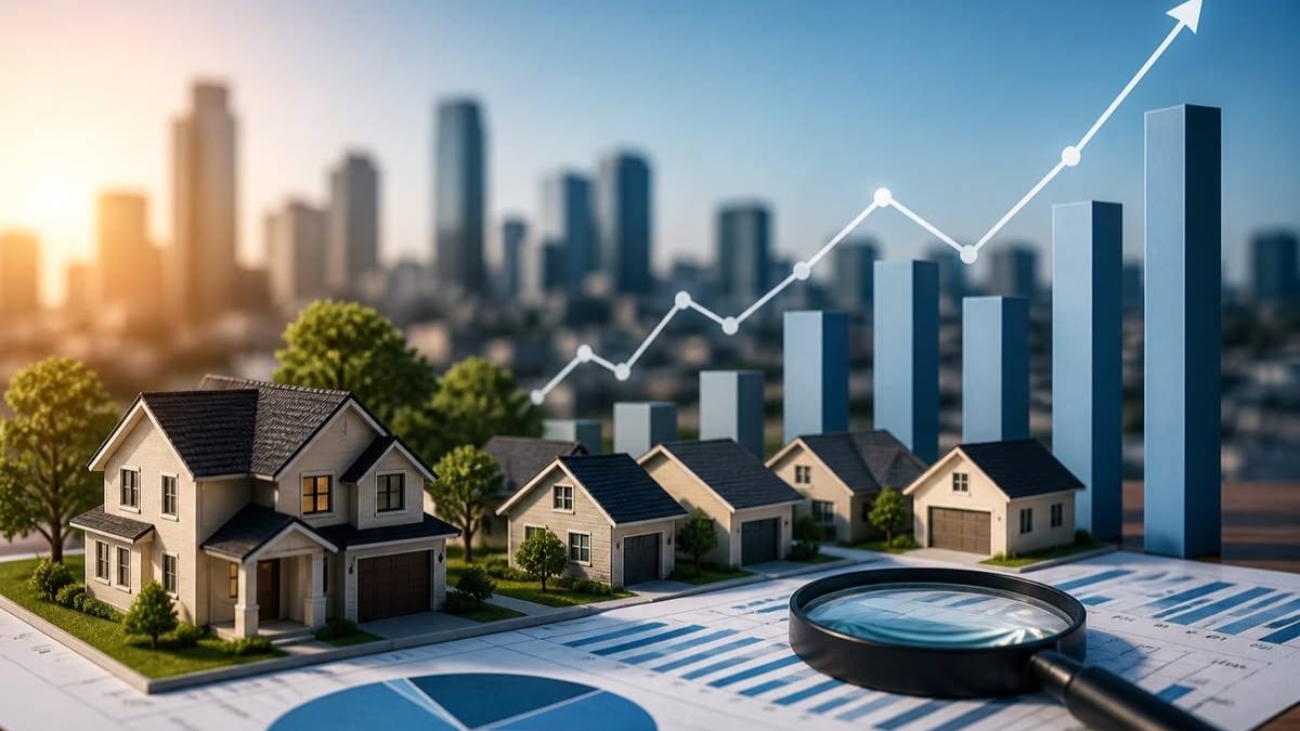
The real estate market remains in constant motion, responding to changes in the economy, financial policy, interest rates, and the global movement of capital. At the same time, the most significant transformations do not always happen abruptly – in many cases, the market evolves through gradual shifts in demand, changing buyer expectations, and the reassessment of value across different asset classes. Architect Raúl Llorente believes that the current state of the market should be evaluated not only through pricing indicators, but also through deeper structural changes in buyer behavior, architectural preferences, and property selection criteria. At RentSale RealEstate, we see this as an important signal of a new market cycle, where traditional metrics are increasingly complemented by qualitative analysis of environment and long-term asset liquidity.

One of the most visible trends of the current cycle is the growing selectivity of buyers. During periods of strong market momentum, demand could extend across a wide spectrum of assets. Today, however, buyers approach property selection far more rationally. Location, building quality, architectural concept, energy efficiency, and future appreciation potential are being evaluated with much greater depth than before. Real estate is no longer viewed solely as a physical asset – it is increasingly assessed as a capital preservation tool and a component of long-term financial strategy. This significantly widens the gap between strong assets and properties with weak fundamental characteristics.

The structure of demand itself is also evolving. In recent years, buyer interest has increasingly shifted toward properties that offer not only square meters but also a higher level of everyday comfort. Spacious layouts, strong natural lighting, private outdoor zones, developed infrastructure, and ecological quality are becoming more important than the formal prestige of an address. At RentSale RealEstate, we analyze this as a sign of market maturity, where the emotional and functional value of space plays an increasingly significant role in pricing.

It is particularly interesting to observe changes in investment behavior. Investors are becoming less focused on short-term speculative gains and more interested in assets with stable demand, strong liquidity, and the ability to preserve value even during periods of market volatility. Residential real estate in strong locations, quality commercial assets, and properties in emerging districts continue to be perceived as capital-protection instruments. We note that the market is increasingly dividing between assets with genuine intrinsic value and properties whose pricing is driven primarily by short-term hype.

Another crucial factor in the current cycle is the cost of capital. Interest rates and financing conditions directly affect buyer activity. More expensive capital raises the standard for investment decisions because mistakes in market entry become significantly more costly. At RentSale RealEstate, we believe that this is precisely when analytical depth becomes most valuable. When the market becomes less emotional and more rational, the strongest participants are those capable of evaluating the true fundamental value of assets.

At the same time, the architectural quality of real estate is becoming increasingly important. The market is showing a clear premium for properties with strong architectural concepts, quality materials, and intelligently designed spaces. Buyers are becoming more sensitive to details – from layouts and lighting scenarios to the quality of shared areas within residential complexes. This means liquidity is increasingly determined not simply by location, but by the overall quality of the product itself.

The psychological dimension of the market also deserves attention. After periods of elevated volatility, buyer behavior becomes more cautious. Decisions are made more slowly, risks are analyzed more deeply, and greater attention is paid to the resilience of investments. This makes the market less impulsive but more efficient from an investment logic perspective. Under such conditions, transparency of data and the ability to identify genuine signals amid informational noise become especially valuable.

For Rent Sale Real Estate, the current state of the real estate market reflects a transition toward a more mature demand model, where liquidity, architectural quality, and long-term value become the primary criteria for evaluating assets. We emphasize that the strongest opportunities emerge during periods when the market rewards depth of analysis rather than speed of execution. It is precisely the ability to interpret the current cycle correctly that enables decisions capable of preserving and growing capital over the long term.

Previously, we wrote about The mentorship philosophy of Raul Llorente – the architect approach to transferring professional experience, architectural thinking and principles of property evaluation