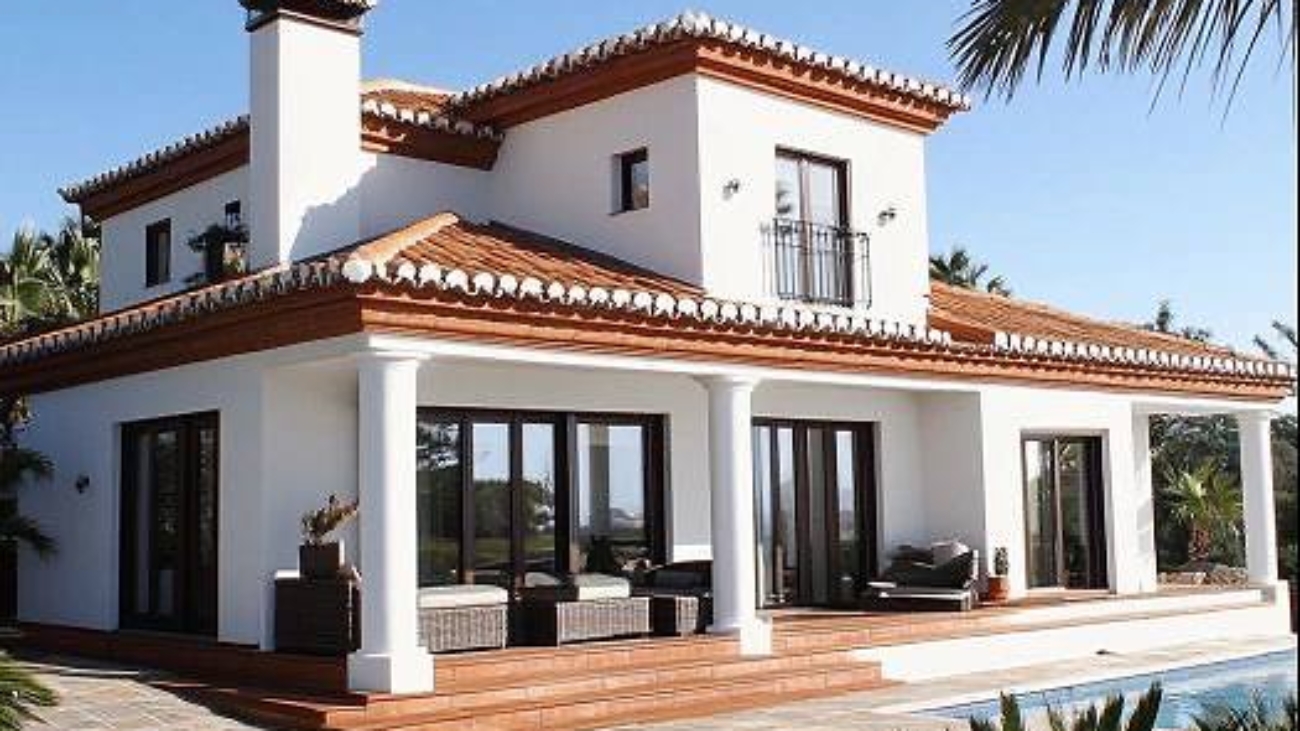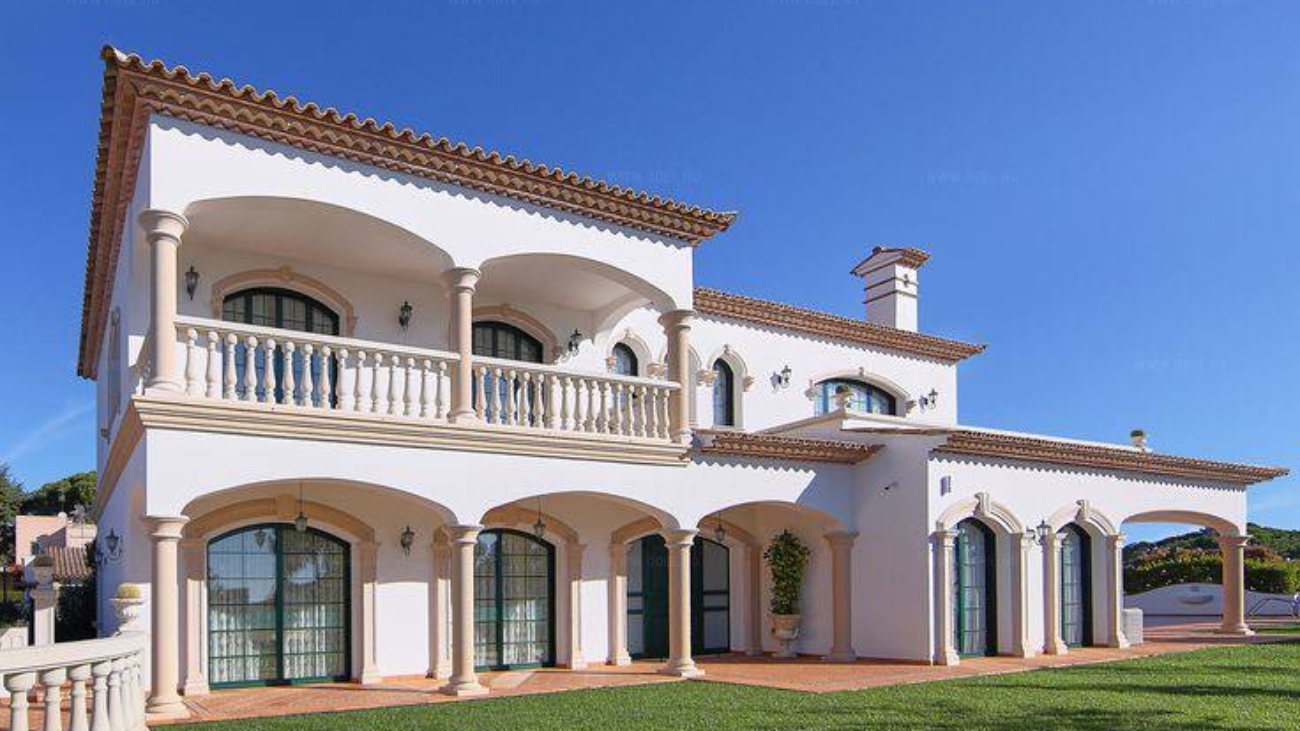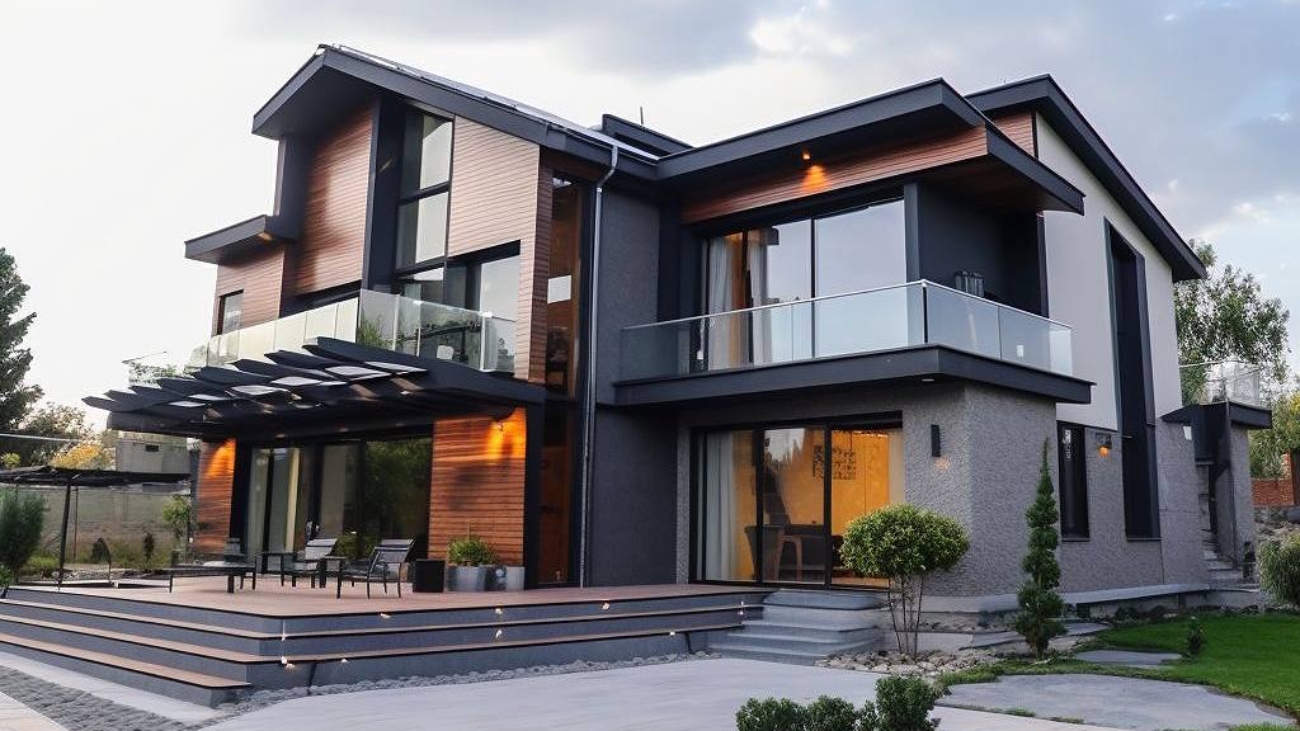
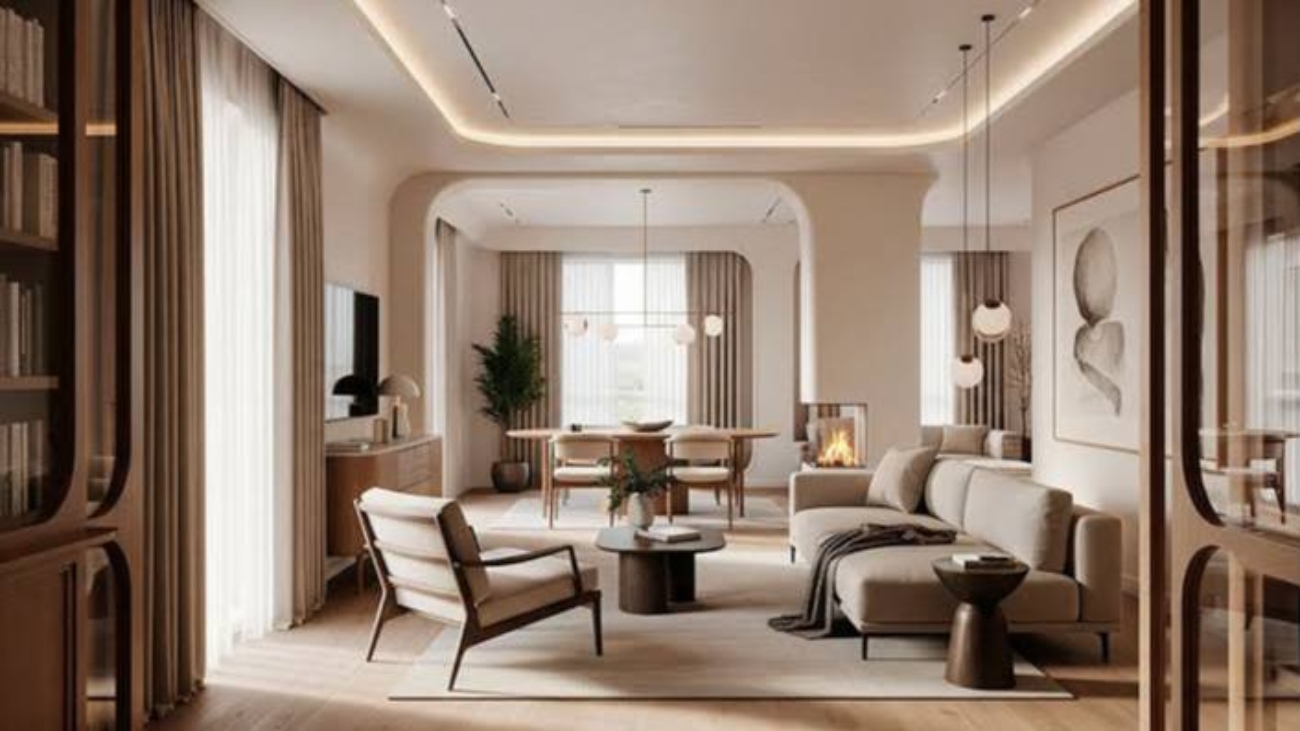
photo_2026-07-01_15-56-15

Age of the House vs Age of the Design – Why RentSale RealEstate Believes an Older Property Can Feel More Modern Than New Real Estate

The age of a property does not always match the way it feels in terms of relevance and modernity. A newly built house may already feel outdated within a few years if its architecture relies on temporary trends, weak layouts, and low-quality visual solutions, while a property with history can feel highly contemporary thanks to strong proportions, quality materials, and intelligent adaptation to today’s lifestyle. At RentSale RealEstate, architect Raúl Llorente notes that the true modernity of real estate is determined not by the year of construction, but by how functional, aesthetically precise, and adaptable the space remains as buyer needs continue to evolve.

The first criterion is architectural foundation. Older buildings often have strong advantages in ceiling height, wall thickness, larger windows, clear structural axes, expressive facades, and more generous room proportions. If this foundation has been preserved and not damaged by poor renovations, such a property can deliver a stronger sense of quality than new real estate built with standard layouts and minimal architectural character. In this context, modernity is not about the age of the walls, but about the building’s ability to remain beautiful, intuitive, and comfortable without excessive decorative effort.

The second factor relates to layout. Many newly developed properties appear visually fresh but suffer from narrow rooms, long corridors, weak storage, small kitchens, and poor relationships between living zones. An older property that has undergone thoughtful renovation may offer a far more flexible scenario: a spacious living room, dedicated office, logical zoning, comfortable bedrooms, and adaptability for family living, rental income, or resale. At RentSale RealEstate, we analyze not the year a building was constructed, but the usefulness of the space – how many square meters genuinely work in daily life and how many exist only on paper.

Materials also heavily influence how age is perceived. Natural stone, wood, high-quality ceramics, solid doors, durable staircases, and strong joinery can age gracefully when properly maintained or upgraded. Cheap finishes in a new house, by contrast, often lose freshness quickly through chips, wear, visual fatigue, and a temporary appearance. A property feels modern not because everything is new, but because materials preserve form, texture, and dignity after years of use.

Technical modernization must also be considered. An older house can become highly competitive if its electrical systems, ventilation, heating, windows, plumbing, sound insulation, and security infrastructure have been upgraded. Without this, historical charm quickly becomes a source of expensive problems. But when the engineering systems meet current standards, the property gains a rare combination of character and comfort. At RentSale RealEstate, we emphasize that strong renovation should not erase a building’s age – it should eliminate technical weaknesses while preserving architectural identity.

Design ages faster than architecture. Trend-driven colors, complex decorative panels, random textures, excessive lighting, and aggressive furniture can make even a new property feel visually outdated. Restrained palettes, clean lines, quality lighting, balanced furniture proportions, and respect for original architecture remain relevant far longer. That is why an apartment in an older building, after precise modernization, can feel calmer, more expensive, and more contemporary than a new property overloaded with fashionable but quickly exhausting design choices.

Market value depends heavily on buyer perception. If an older building creates a sense of reliability, silence, spaciousness, historical character, and intelligent modernization, buyers often perceive it as a unique opportunity. If a new property feels generic, has poor acoustics, overheated rooms, tight spaces, and short-lived materials, its recent construction year stops being a meaningful advantage. At RentSale RealEstate, we believe buyers increasingly evaluate not the calendar age of a house, but the age of its decisions – whether those decisions still meet today’s standards of comfort.

Investment logic is changing as well. Older properties in strong locations can offer significant growth potential if they can be modernized without losing their character. After high-quality renovation, they become highly attractive to buyers seeking something more distinctive than mass-market real estate. However, limitations must be carefully evaluated: heritage status, renovation restrictions, structural condition, maintenance costs, and redevelopment possibilities. Without proper analysis, an older property can become not an opportunity but an expensive project with an unpredictable budget.

Ultimately, modernity in real estate is defined by the balance between architectural foundation, technical condition, design quality, and the ability of the space to support real-life scenarios. An older house can feel more relevant than a new one if it offers strong proportions, quality light, durable materials, silence, character, and intelligent modernization. At Rent Sale Real Estate, we see this as an important conclusion for today’s market: buyers should look not only at the construction date, but at how well a property has aged and how confidently it can perform in the future.

Previously, we wrote about how RentSale RealEstate analyzes current real estate market trends, changes in architecture, buyer demand, and evolving investment models⁠


photo_2026-07-01_15-56-11

What a House Says Without Words – The RentSale RealEstate Perspective on Architecture as a Reflection of the Owner’s Personality, Status, and Lifestyle

A house always reveals more about its owner than it may seem at first glance – not through direct statements, but through spatial scale, material choices, lighting scenarios, privacy levels, entrance design, and the way architecture shapes daily rhythm. At RentSale RealEstate, architect Raúl Llorente believes that strong real estate functions as a nonverbal portrait of a person – it reflects their attitude toward comfort, status, silence, hospitality, family, work, and personal boundaries even before any discussion about price or technical specifications begins.

The first signal is read through the entrance. Gates, access routes, facade design, front door proportions, lighting, the hall, and the first visual perspective create the initial perception of status and internal logic. When the entrance zone is carefully designed, a visitor immediately understands the scale of the property, the level of attention to detail, and how much the owner values order. Random finishes, poor lighting, a narrow hall, or neglected outdoor areas create the opposite impression – one of inconsistency and lack of control. At RentSale RealEstate, we analyze the entrance not as decoration but as an architectural introduction that defines the emotional tone of the entire property.

The layout communicates lifestyle without explanation. A large living room connected to a terrace suggests a habit of hosting guests and living openly; isolated bedrooms indicate the importance of privacy; a dedicated office reflects the value of concentration; efficient storage points to discipline and structure. A house with chaotic transitions, excessive corridors, and unclear zoning often suggests that the owner’s lifestyle was never translated into precise architectural decisions. A strong layout, by contrast, makes everyday routines readable, logical, and efficient.

Materials reveal a relationship with durability. Natural stone, wood, premium ceramics, metal, glass, and textiles communicate status only when they are selected appropriately and assembled with precision. Expensive finishes without logic quickly feel performative, while restrained but accurate material choices create the impression of mature taste. At RentSale RealEstate, we emphasize that architectural status is not defined by the amount of expensive surfaces – it is expressed through precision of joints, proportions, tactile quality, wear resistance, and the ability of interiors to age elegantly.

Lighting conditions show how deeply a home considers human emotional state. Sharp contrasts, dark corners, cold artificial light, or overheated rooms generate tension even if the interior appears visually impressive in photographs. Soft daylight, warm evening lighting scenarios, and well-calibrated illumination for the entrance, terrace, kitchen, and relaxation zones create a sense of balance and intentionality. Buyers rarely describe this in technical terms, yet they immediately feel whether a space supports their mental state or gradually exhausts it.

Privacy reflects personal boundaries. Large windows without protection, exposed terraces near neighbors, visible bedrooms, or noisy relaxation zones indicate weak control over personal space. Excessive isolation, however, can also reduce quality if the property loses light, views, and connection to the environment. At RentSale RealEstate, we believe mature architecture creates balance – a home remains open to nature, air, and social interaction while still protecting what must remain private.

Functional details often communicate more than design statements. Laundry placement, kitchen ergonomics, access to parking, seasonal storage capacity, appliance noise levels, and the route from the entrance to private zones all define the real experience of living in the house. Beautiful interiors without functional discipline quickly lose credibility in everyday use. High-level real estate does not force the owner to constantly adapt to inconvenience – it anticipates repetitive actions and solves them in advance.

Architecture also reflects status through restraint. A truly premium home does not need to prove its value through visual excess. Strong proportions, quality silence, intelligent positioning on the plot, refined engineering, accurate material selection, and the absence of visual noise communicate value far more effectively. At Rent Sale Real Estate, we note that modern premium buyers increasingly value not demonstrative luxury but confidence in decisions – when a property feels calm, yet every detail clearly explains its level.

Ultimately, a house speaks without words through a sequence of architectural choices. It reveals how the owner rests, hosts guests, protects privacy, relates to order, invests in longevity, and perceives status. That is why real estate cannot be evaluated only through size, district, or price. A strong property creates a complete lifestyle image that is understood immediately – through movement, light, silence, materials, proportions, and the feeling of control over space.

Previously, we wrote about how RentSale RealEstate evaluates preliminary real estate agreements, transaction security, transparency of terms, and protection of both parties’ interests⁠

photo_2026-07-01_15-56-06

Neuroarchitecture of the Home – How RentSale RealEstate Evaluates the Impact of Space, Proportions, and Architectural Decisions on Emotions, Stress, and Quality of Life

Neuroarchitecture shows that a home influences a person not only through comfort, square footage, or design, but also through the nervous system’s response to light, scale, proportions, noise, movement paths, and the feeling of protection. At RentSale RealEstate, Architect Raúl Llorente sees this as an important tool for evaluating real estate because space can reduce stress levels, support concentration, enhance a sense of calm, or, on the contrary, quietly create tension. Buyers cannot always explain why they feel relaxed in one house but want to leave another as quickly as possible, yet there are almost always architectural reasons behind that reaction.

The first factor is spatial clarity. When a person enters a home and quickly understands where the main zones are located – how to move from the entrance to the living room, kitchen, bedrooms, terrace, or workspace – the brain spends less energy on orientation. Complex corridors, dark transitions, illogical door placement, walk-through rooms, and weak zoning create micro-stress even in expensive interiors. At RentSale RealEstate, we analyze layouts not as drawings on paper but as daily cognitive load – the more naturally and clearly a space functions, the higher its quality for long-term living.

Light has a direct influence on emotional state. Insufficient natural light increases the feeling of enclosure, while overheating and excessive direct sunlight can cause fatigue just as much as dark rooms. Window orientation, room depth, ceiling height, opening size, shading systems, and the ability to regulate light throughout the day all matter. Soft daylight in the living room, calming illumination in the bedroom, and the absence of aggressive visual contrast in work areas make a home psychologically more stable. Such properties feel more valuable not only visually but physically – through the body’s perception of comfort.

Room proportions affect perception more than most buyers realize. A room may offer adequate square footage but still feel cramped, overly narrow, or uncomfortable because of poor proportions. Low ceilings may create pressure, excessively open spaces without zoning can trigger vulnerability, and narrow passageways may increase irritation in everyday routines. At RentSale RealEstate, we emphasize that neuroarchitectural evaluation reveals not only how many square meters a property has, but how those meters are experienced during movement, rest, and daily activities.

Acoustics become a separate component of psychological comfort. Constant street noise, audible neighbors, echo in large rooms, vibrations from engineering systems, or sharp sounds from shared areas gradually increase stress levels. A person may appear to adapt to noise, but the nervous system continues to register it as a stressor. High-quality housing requires dense windows, sound-insulated slabs, quiet ventilation, correct bedroom positioning, and materials that soften the internal sound environment. Silence in a home is not a luxury – it is a requirement for recovery.

Materials and textures also influence emotional perception. Cold glossy surfaces, excessive glass, hard stone, and empty walls can create visual sterility and acoustic harshness. Wood, textiles, matte finishes, natural tones, and tactile materials often make a space calmer without excessive decoration. At RentSale RealEstate, we believe premium quality is not defined by the number of visually impressive elements, but by how accurately materials support physiological comfort, durability, and the everyday feeling of warmth.

Privacy is linked not only to safety but also to nervous system regulation. Windows facing neighboring buildings, open terraces without protection, bedrooms near noisy zones, visible entrances, or a lack of private corners reduce the feeling of control over space. A home should allow visibility when desired and separation from the outside world when rest is needed. This is especially important for families, people with intensive work schedules, and buyers who see housing as a place for recovery rather than simply an address.

Movement routes inside the home shape quality of life in subtle ways. If the kitchen is too far from entertainment areas, storage is inconvenient, bathrooms conflict with private zones, the workspace sits in a transitional area, or reaching the terrace requires unnecessary movement, the property creates daily friction. At RentSale RealEstate, we note that repetitive daily routines reveal the true value of architecture – a strong home does not force people to adapt to planning mistakes but instead supports their rhythm naturally and calmly.

Neuroarchitecture makes real estate evaluation more precise because it connects architecture, spatial psychology, and practical daily use. A home with strong proportions, quality light, silence, privacy, clear planning, and well-chosen materials affects not only mood but also sleep quality, productivity, recovery, and the desire to remain in the space longer. At Rent Sale Real Estate, we see this as an important indicator of future liquidity: buyers increasingly choose not just visually attractive properties, but environments that reduce internal tension and improve everyday quality of life.

Previously, we wrote about how RentSale RealEstate evaluates villas in Madrid, including the strategy for selecting premium suburban property, privacy, and long-term value growth potential⁠

photo_2026-06-30_15-30-16

Real Estate 2030 – What RentSale RealEstate Predicts for Architecture, Demand, and Buyer Expectations in the Coming Years

By 2030, the real estate market will be evaluated not only through price, square footage, and district prestige, but through a property’s ability to adapt to new lifestyle scenarios, climate conditions, digital habits, and changing expectations of comfort. At RentSale RealEstate, architect Raúl Llorente analyzes how buyer priorities are already shifting today: clients are becoming far more attentive to layout efficiency, energy performance, privacy, acoustics, material quality, and the real cost of long-term ownership. Properties that are considered simply “modern” today will soon compete under far more precise criteria.

The first major shift will be the growing importance of flexible layouts. Apartments and houses will need to adapt easily to remote work, family changes, guest scenarios, storage needs, relaxation, and future resale without expensive reconstruction. Narrow rooms, excessive corridors, poor zoning, and the absence of functional workspaces will reduce liquidity. At RentSale RealEstate, we analyze layout as one of the strongest indicators of future value because buyers are no longer willing to pay for square meters that cannot be used efficiently in everyday life.

Energy efficiency will become another defining factor. Rising costs of heating, cooling, electricity, and maintenance will turn operational expenses into a core part of property valuation. Buyers will increasingly examine window quality, solar orientation, thermal insulation, ventilation systems, engineering infrastructure, energy ratings, and opportunities to reduce utility costs. A house with an attractive interior but inefficient energy consumption will lose competitiveness against properties that deliver comfort through rational and predictable performance.

Acoustic comfort will take on a much larger role. Increasing urban density, ongoing construction, transportation pressure, and the expansion of mixed-use districts will make silence a significant premium factor. Buyers will pay closer attention to sound insulation in walls, windows, floor slabs, engineering systems, courtyards, and shared spaces. At RentSale RealEstate, we emphasize that by 2030 acoustics will no longer be treated as a secondary technical characteristic – it will become part of both the emotional and financial value of real estate.

Outdoor space will also be viewed differently. A balcony, terrace, yard, garden, rooftop, patio, or shared green zone will no longer be perceived as decorative additions but as essential components of quality living. Buyers will evaluate privacy, orientation, heat protection, leisure functionality, views, and ease of maintenance. In major cities especially, thoughtfully designed outdoor areas will significantly improve a property’s attractiveness and help it stand out among standard listings.

Technical reliability of buildings will receive far more scrutiny. Facades, roofing, elevators, ventilation, electrical systems, plumbing, drainage, security infrastructure, and materials used in common areas will become more important than superficial visual freshness. Buyers will be less willing to invest in properties that look new but require constant spending on hidden structural problems. At RentSale RealEstate, we believe real estate in 2030 will be assessed through its full lifecycle – not only acquisition cost, but ownership cost, rental potential, maintenance requirements, and future resale strength.

Demand for privacy will continue to intensify. Even in urban apartments, buyers will pay attention to the distance between windows, corridor density, number of units per floor, elevator access, entrance placement, bedroom isolation, and the ability to preserve personal space. For houses, this will mean more precise evaluation of land boundaries, fencing, tree placement, driveway design, and visual exposure to neighbors. Privacy will evolve from a luxury into a core component of psychological comfort.

Investment evaluation models will also change. Previously, investors could focus mainly on district, entry price, and projected rental income. In the coming years, that will no longer be sufficient. Market resilience, renovation flexibility, seasonality, operating expenses, tenant expectations, legal limitations, management quality, and a property’s ability to remain relevant through market cycles will matter far more. Simple models such as “buy low – rent high” will become less reliable for assets that fail to meet new living standards.

Buyer behavior itself is also evolving. People will respond less to surface-level presentation and increasingly ask direct questions: why is the property priced this way, what does maintenance cost, which materials were used, how quiet is it, how does it stay cool during summer, can the layout be changed, who manages shared areas, and how is the district expected to develop? At Rent Sale Real Estate, we see this as a transition from emotional purchasing toward a more mature decision model where architecture, economics, and everyday comfort are evaluated together.

Real estate in 2030 will outperform not because of one standout feature, but because of balance across multiple parameters: flexible layouts, energy efficiency, silence, privacy, high-quality outdoor areas, technical reliability, and strong investment logic. Properties already designed or selected with these factors in mind will gain a stronger market position because future buyers will seek not merely attractive housing, but resilient systems for living, working, relaxing, and preserving capital.

Previously, we wrote about how RentSale RealEstate evaluates residential outdoor space as a factor of comfort, status, and market appeal


photo_2026-06-30_15-30-09

One Property Through the Eyes of RentSale RealEstate – How a Property Moves from Initial Analysis to Client Recommendation

Any property must go through a professional evaluation process before being recommended to a client – not an emotional one. This process starts with location analysis and continues through technical, legal, architectural, and market evaluation. At RentSale RealEstate, architect Raúl Llorente notes that quality analysis does not begin with attractive photos or the asking price, but with one key question: how well does the property fit the client’s actual objective – personal living, rental income, resale, family use, or long-term capital preservation.

The initial review begins with location. Evaluation goes beyond the district itself and includes the exact street, transport access, travel time to business zones, proximity to schools, shops, medical centers, parks, coastlines, or tourism routes. Noise levels, building density, road quality, evening safety, surrounding architecture, and future development potential are all examined separately. At RentSale RealEstate, we analyze an address not as a point on the map but as daily logistics, because a strong location must perform not only in a listing but also in real life.

The next stage focuses on the building itself. The year of construction, structural system, facade condition, entrance area, elevator quality, roofing, engineering networks, and shared spaces are all reviewed. For apartments, sound insulation, slab quality, ventilation, natural light, window orientation, and future adaptability of the layout become critical. For houses, additional factors include land condition, utility access, roof integrity, drainage, privacy, parking, and operating expenses. This approach helps distinguish properties with genuine long-term potential from those that only appear attractive during the first viewing.

Layout is assessed as a separate financial factor. Even a large property loses value if the space is distributed inefficiently: long corridors, walk-through rooms, weak storage solutions, inconvenient kitchens, dark areas, and awkward transitions reduce both comfort and liquidity. At RentSale RealEstate, we emphasize that clients should not simply be shown square meters but usable space – space that can be easily furnished, adapted for different life scenarios, and positioned strongly in the market later.

Technical evaluation helps identify future expenses in advance. Moisture traces, microcracks, floor level differences, weak water pressure, outdated electrical systems, noisy equipment, poor ventilation, or low-quality finishing materials can all significantly impact the budget after purchase or rental. If renovation is needed, the analysis goes beyond repair volume and focuses on financial logic: can renovation increase market value, does the neighborhood justify the investment, and would renovation costs exceed the market ceiling for the area?

The legal layer is just as important as the architectural one. Before making a recommendation, it is necessary to understand ownership status, restrictions, debts, encumbrances, contract conditions, renovation permissions, and any complications related to transaction registration. For investment assets, additional checks include rental legality, seasonal restrictions, homeowners’ association rules, and property management risks. At RentSale RealEstate, we believe a property can only be recommended when its value is confirmed not just visually but also legally and structurally.

Market valuation is built through comparison with relevant alternatives. Real listings in the same district, sales speed, negotiation margins, demand for similar formats, rental rates, seasonality, competition, and resale liquidity are all examined. If a property is priced above market level, there must be objective justification: a unique location, exceptional view, superior building condition, terrace, parking, architectural value, or scarcity of comparable listings. Without those factors, recommendation must reflect the risk of overpaying.

The final recommendation is formed only after combining all available data. The client receives more than a generic emotional conclusion such as “good property” – they receive a precise assessment: who the property is best suited for, where its strengths lie, what risks exist, how much it may cost to bring it to the desired condition, whether the asking price is realistic, and which use scenario makes the most sense. At Rent Sale Real Estate, we see this as the foundation of professional work – not selling every property, but clearly explaining why a specific asset truly aligns with the client’s goals or why it should be avoided.

This evaluation process makes decision-making transparent. A property stops being a collection of photos, attractive promises, and subjective impressions – it becomes a structured system of measurable factors: address, building quality, layout, technical condition, documentation, market position, and future use case. This sequential analysis allows clients to make decisions calmly, without pressure, and with a clear understanding of how the property will perform after the transaction.

Previously, we wrote about how architect Raúl Llorente evaluates material selection in construction, including quality, durability, and the impact of materials on architecture and long-term investment stability

photo_2026-06-30_15-30-04

How an Architect Thinks When Evaluating Real Estate – Raúl Llorente on the Details Most Buyers Never Notice

Evaluating real estate through an architect’s perspective always goes far deeper than simply looking at rooms, views, or the quality of finishes. At RentSale RealEstate, architect Raúl Llorente believes that a strong property reveals itself not only through square footage and location, but through dozens of hidden indicators – light, proportions, movement within the space, technical logic, structural condition, and the property’s ability to preserve value over the long term. Most buyers notice a beautiful kitchen, stylish furniture, or fresh paint, but they often miss the details that can significantly affect comfort, expenses, and real liquidity just a few months later.

The first thing an architect evaluates is not style, but planning logic. A space should not simply look attractive – it must function naturally for daily life. The question is how movement flows from the entrance to the kitchen, how the living room connects to the terrace, whether private and social zones interfere with each other, whether storage is convenient, and whether there is wasted circulation space or unnecessary corridors. At RentSale RealEstate, we analyze layout as the foundation of future value because even premium finishes cannot compensate for a home where daily routines are disrupted by poor ergonomics, inconvenient transitions, or badly distributed functionality.

The second level of evaluation is light and orientation. Buyers often describe a property as simply “bright” or “dark,” but an architect sees much more: where the windows face, how sunlight moves throughout the day, whether rooms overheat during summer, whether working and living areas receive enough natural light, and whether neighboring buildings block important views. A strong lighting scenario improves not only visual quality but also the emotional perception of the space. Poor orientation, by contrast, can reduce comfort, increase cooling costs, and make even a spacious home feel psychologically heavy.

Room proportions are equally important. Two rooms with identical square footage may feel completely different – one may feel spacious and flexible, while the other feels narrow, difficult to furnish, and visually compressed. An architect pays attention to ceiling height, passage widths, room depth, structural wall placement, window scale, and future remodeling potential. At RentSale RealEstate, we emphasize that property value is often hidden not in absolute numbers but in spatial quality – how easily a space can adapt to different life scenarios without sacrificing comfort.

The technical condition of a property also requires careful interpretation. Signs of moisture, microcracks, uneven flooring, damp smells, weak ventilation, outdated electrical systems, noisy engineering infrastructure, or excessively cold walls may go unnoticed during an emotional viewing, yet these factors often define future expenses. An architect does not evaluate such details as isolated flaws – they are read as interconnected signals that reveal the building’s long-term performance. If a property looks attractive only on the surface but hides structural weaknesses, its market appeal may be far less stable than it initially appears.

The connection between the property and its surroundings is another major factor. Real estate should never be evaluated in isolation from the street, neighboring buildings, noise levels, entrance quality, courtyard, parking, routes, and overall feeling of safety. Even a high-quality interior loses part of its value if the approach to the home feels unpleasant, the entrance looks neglected, or the windows face an aggressive environment. At RentSale RealEstate, we believe architectural evaluation extends beyond the walls of the property itself and includes the full daily experience – from arriving at the building to how a person feels inside during mornings, evenings, and moments of rest.

Materials and finishes are also interpreted differently through an architectural lens. Buyers may focus on visual appeal, while architects evaluate durability, relevance, installation quality, and how materials behave over time. Natural stone, wood, ceramics, glass, or metal only create real value when they match the climate, usage intensity, and functional needs of the space. At RentSale RealEstate, we note that premium quality is not defined by the quantity of expensive materials but by the precision of decisions – how surfaces meet, how joints perform, how finishes age, and whether materials will create maintenance challenges after several seasons.

Architects also evaluate a property through future scenarios. Can the layout be modified without major expense? Will the home still suit a family five years from now? Can targeted upgrades increase value? Will the property remain easy to rent or resell? Does it have enough flexibility to appeal to different buyer profiles? This approach differs from ordinary emotional decision-making because it combines aesthetics, function, and investment logic. A strong property should not only feel attractive today but remain relevant tomorrow.

That is why professional real estate evaluation is never based on a single impression but on a network of interconnected signals. An architect sees not only the property itself but also its potential, weaknesses, hidden costs, and ability to adapt to future needs. At Rent Sale Real Estate, we see this as one of the greatest advantages of architectural thinking: it helps buyers notice what may be invisible in photos yet almost always influences comfort, liquidity, and the true value of real estate.

Previously, we wrote about how lease agreements can be viewed through the lens of architecture and how architect Raúl Llorente evaluates the impact of rental terms on property preservation and long-term value

photo_2026-06-29_17-31-36

Girona as Spain’s Rising Market – Why RentSale RealEstate Sees Growing Investment Interest in This City Before It Reaches the Attention of Major Investors

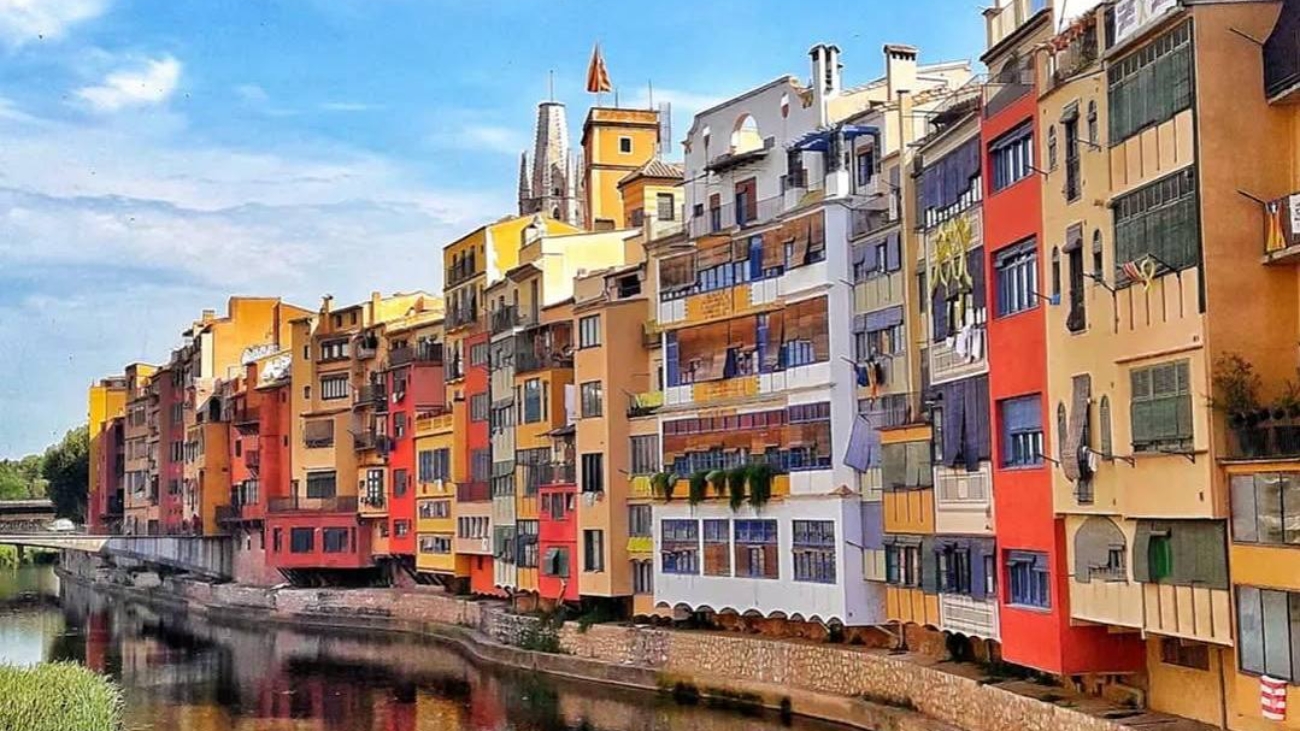
Girona is increasingly being viewed not as a secondary point on the map of Catalonia, but as an independent market with growing investment potential, where historical character, transport accessibility, university activity, tourism demand, and a calmer pace of life come together compared with overheated destinations. At RentSale RealEstate, architect Raúl Llorente emphasizes that the city’s potential cannot be measured solely by the current price per square meter – what matters far more is understanding how the buyer profile is evolving, which districts are gaining new functions, and why local demand is strengthening before major institutional investors begin entering the market at scale.

One of Girona’s strongest growth drivers is its strategic position between Barcelona, the Costa Brava coastline, and the inland regions of Catalonia. The city remains compact enough for comfortable everyday living, yet it does not feel isolated: rail connections, road infrastructure, airport access, and proximity to tourism hubs create a rare combination of locality and mobility. For investors, this means a broader pool of potential tenants and buyers – from students and young professionals to families, remote workers, and individuals seeking life outside dense tourist zones while remaining connected to the region’s major economic routes.

The second key factor is the quality of the urban environment. Girona offers a strong historical identity, recognizable architecture, walkable streets, cultural landmarks, and a visual cohesion that is difficult to replicate artificially in newly developed districts. These characteristics strengthen long-term demand because buyers pay not only for the property itself but also for the emotional value of the location. At RentSale RealEstate, we analyze cities through this deeper lens – when real estate is embedded within an environment that has character, functional infrastructure, and emotional appeal, it gains additional resilience against sudden market fluctuations.

Investment interest in Girona is also growing because many buyers are actively searching for alternatives to more expensive and highly competitive markets. Barcelona remains a powerful center, but elevated prices, density, regulatory pressure, tourism overload, and the increasing difficulty of sourcing highly liquid properties are pushing part of the market to look elsewhere. In that sense, Girona does not directly compete with Barcelona – instead, it offers a different model: less pressure, stronger local balance, a lower entry threshold, and the opportunity to acquire property in a city that still has meaningful growth potential ahead. This stage is particularly attractive for investors seeking opportunities before markets become overheated by mass demand.

Rental potential also plays a significant role. Girona attracts not only tourists but also students, academic professionals, seasonal workers, service-sector employees, digital specialists, and families who value a calmer urban environment. This creates more diversified demand and reduces dependence on a single income source. At RentSale RealEstate, we emphasize that a true rising market differs from a temporary trend through the stability of multiple demand groups – when a property appeals to several tenant categories at once, the investment model becomes more flexible and more secure.

At the same time, Girona requires a highly selective approach to asset selection. Not every district and not every property format offers the same upside. The historic center may deliver strong visual identity and tourism appeal, but it can also require careful assessment of building condition, renovation limitations, and operating costs. More residential neighborhoods may offer stronger long-term rental opportunities for families if they provide schools, transportation, shops, and green spaces nearby. At RentSale RealEstate, we believe the main risk in such a market lies in buying into the city as an abstract idea without properly analyzing the specific house, street, building condition, and real use scenario.

Interest from large investors usually accelerates when the key signals are already visible to local market participants: inquiry volumes rise, competition for quality properties increases, older buildings begin to be upgraded more actively, new services appear, neighborhood demographics shift, and property owners become more confident in defending asking prices. At that stage, the market may still appear calm externally, but internally a new dynamic is already forming. This is why early analysis becomes a strategic advantage – it allows investors to identify not only current value but also the direction of future demand.

In Girona, the relationship between architecture and lifestyle is especially important. Buyers increasingly choose not simply an apartment or a house, but an urban environment that supports sustainable daily living: walking instead of driving, working remotely, accessing infrastructure without constant dependence on a car, hosting guests, and remaining close to nature and the coastline. These criteria are gradually reshaping Spain’s investment map because demand is shifting from obvious headline locations toward cities where quality of life feels more balanced and less speculative.

Girona as a rising market is compelling precisely because its full potential has not yet been priced into mass investment expectations. This is not a market built on instant promises but a direction where value grows gradually – through transportation links, urban identity, rental resilience, historical recognition, and changing buyer behavior. At Rent Sale Real Estate, we see this as an opportunity for investors willing to look beyond standard rankings and choose assets based not on market noise but on real indicators of future liquidity.

Previously, we wrote about how the real estate market looks through the eyes of local residents, how RentSale RealEstate analyzes real buyer expectations, everyday comfort, and changing attitudes toward housing in Spain


photo_2026-06-29_17-31-32

Silence as the New Premium Factor – How RentSale RealEstate Evaluates Acoustic Comfort, Sound Insulation, and the Impact of Sound Environment on Property Value

Silence in modern real estate is no longer considered a secondary advantage and is gradually becoming one of the defining indicators of premium living quality. Buyers or tenants may compromise on size, floor level, or even interior finishes, but constant noise from roads, neighbors, engineering systems, or commercial spaces quickly destroys the feeling of comfort. At RentSale RealEstate, architect Raúl Llorente notes that the acoustic environment directly influences how a property is perceived because a home is evaluated not only through sight, but also through the physical sensation of calm, protection, and the ability to recover from external stress.

The first level of acoustic evaluation begins with location. Even an expensive apartment or house may lose its appeal if it is situated near a busy highway, railway line, noisy restaurant, night bar, school, sports ground, or any area with intensive traffic. At the same time, it is important to assess not only the volume of sound but also its nature: occasional background noise is perceived differently from sharp signals, vibrations, voices outside the windows, or a constant low-frequency hum. At RentSale RealEstate, we analyze the sound environment as part of a real-life living scenario because a prestigious address does not always guarantee silence, and a seemingly quiet district may still contain hidden acoustic irritants.

The second factor is the quality of the building envelope. Windows, walls, floor slabs, doors, ventilation channels, and facade systems create the protective barrier between private space and the outside world. Buyers rarely see acoustic performance mentioned in listings, yet they feel it almost immediately during a viewing: whether the elevator is audible, whether neighbors can be heard talking, whether footsteps from above are noticeable, whether water pipes create noise, whether doors slam loudly, or whether street sounds penetrate even with closed windows. At RentSale RealEstate, we emphasize that sound insulation is not a minor technical detail but one of the essential factors determining whether a property truly feels high quality.

The internal acoustics of a home are equally important. A property may look expensive visually yet sound harsh and cold because of excessive glass, stone, empty surfaces, or poor spatial planning. Echo in the living room, weak sound separation in the bedroom, kitchen noise reaching relaxation zones, or sound transfer between children’s rooms and a home office all reduce daily comfort. In premium real estate, silence should not be accidental – it should be intentionally designed. Soft materials, intelligent zoning, solid doors, textiles, acoustic panels, and carefully selected furniture help create warmth and comfort without visual clutter.

Engineering noise deserves separate attention. Air conditioning systems, ventilation, heating units, pumps, boilers, elevators, garage doors, and household appliances can become constant sources of irritation, especially at night. During the first viewing, these sounds often go unnoticed, but after moving in they frequently become one of the main reasons for fatigue and poor sleep quality. At RentSale RealEstate, we believe a property’s premium level is confirmed not only by the beauty of its finishes but also by how quietly its hidden systems operate, because true premium quality is often revealed through invisible details.

The sound environment also directly affects market value. Buyers may not explicitly mention acoustics as a separate requirement, but if a space feels calm, soft, and free from acoustic pressure, it is naturally perceived as more expensive. Silence strengthens the feeling of privacy, security, status, and control over personal space. Constant noise, by contrast, lowers the emotional value of a property, increases negotiation pressure, and may even become the reason for rejection despite a competitive price. That is why acoustic comfort is no longer an optional bonus but a meaningful part of a property’s investment logic.

For rental properties, this factor becomes even more sensitive. Tenants may quickly become disappointed if they discover after moving in that neighbors are clearly audible, street noise continues through the night, or engineering systems operate inconsistently. Such issues are rarely solved quickly, yet they strongly affect rental duration and the stability of landlord-tenant relationships. At RentSale RealEstate, we note that acoustic risks should be assessed before signing a contract: viewings should take place at different times of the day, windows should be opened and closed, entrances and technical zones should be observed, and construction details related to sound insulation should be clarified in advance.

A premium property today must provide not only visual appeal but also acoustic comfort. Silence has become part of architecture, service quality, and long-term property value. It may not be visible in photos, but its absence is often one of the first things buyers or tenants feel. At Rent Sale Real Estate, we see this as an important market shift: as urban environments become denser and the pace of life accelerates, demand grows for homes that allow people to preserve internal balance, recover without constant background stress, and feel their personal space is truly protected.

Previously, we wrote about the most common mistakes tenants make, which factors reduce rental stability, and what creates long-term living risks

photo_2026-06-29_17-31-27

Why Some Houses Sell in Minutes While Others Sit for Months – RentSale RealEstate Analysis of Emotional Triggers That Influence Buyer Decisions

In the real estate market, the speed of a sale rarely depends only on price, square footage, or location. Two houses with similar characteristics can generate completely different reactions: one receives multiple inquiries immediately after listing, while the other remains on the market for months despite appearing competitive on paper. At RentSale RealEstate, architect Raúl Llorente believes the key difference is often hidden not in numbers but in the emotional perception of the property – buyers make decisions faster when a home instantly creates a sense of clarity, security, status, and a future lifestyle they can easily imagine without internal resistance.

The first powerful trigger is the feeling of readiness. Buyers respond much faster to a house that does not require mental reconstruction: a clear layout, clean visual presentation, well-maintained facade, tidy outdoor space, and logical interior design create the impression of a property that can be moved into without unnecessary complications. If the space feels overcrowded, outdated, or poorly prepared, people stop imagining their future there and begin calculating future expenses instead. At RentSale RealEstate, we analyze these reactions as an essential part of market liquidity because the first few minutes of a viewing often determine whether a buyer moves toward a deal or starts searching for alternatives.

The emotional readability of space is equally important. A house should quickly explain how life works inside it: where family evenings take place, how the terrace is used, whether the kitchen feels practical, where private zones begin, how storage is organized, and whether there is room for personal rhythm. When buyers cannot understand the logic of a space, even premium finishes lose their impact. Instead of seeing a future home, they see a collection of rooms that require interpretation. Properties that sell faster usually share one trait – they present a simple and intuitive living scenario that reduces cognitive friction and helps buyers emotionally connect with the property immediately.

Another major factor is trust in the property’s condition. Even small signs of neglect can create hesitation: moisture stains, squeaking elements, outdated hardware, dark corners, poor lighting, an unkempt entrance, or a chaotic yard. Buyers rarely analyze every detail consciously, but subconsciously they combine these signals into a general conclusion about how reliable the property feels. At RentSale RealEstate, we emphasize that emotional trust forms before legal due diligence begins – at the level of smell, light, silence, cleanliness, and the overall sense that the property has been properly cared for.

Location also works as more than a geographical parameter. The same district can feel completely different depending on the road leading to the house, neighboring buildings, privacy levels, noise exposure, views from the windows, and the feeling of safety when arriving. Buyers evaluate not only an address but the entire path toward future living: whether returning home in the evening feels comfortable, whether opening the gate feels pleasant, whether neighboring structures feel intrusive, and whether the property provides a sense of personal territory. Strong property presentation therefore should communicate not abstract prestige but the real quality of everyday living.

Light acts as a separate emotional trigger. Bright homes are almost always perceived as more expensive, more spacious, and more calming. Natural light helps buyers connect with a property faster, especially when it enhances the living room, kitchen, bedrooms, and relaxation areas. Dark interiors, even with generous square footage, tend to create hesitation and visually reduce perceived value. At RentSale RealEstate, we believe working with light before a sale is not a decorative detail but a strategic tool for shaping perception, one that can influence buyer reaction from the very first photos and viewings.

Price remains important, but it never functions independently from emotion. Sometimes a house stays unsold for months not because the price is objectively too high, but because buyers do not feel enough justification to pay that amount. If a property fails to create desire, the price begins to feel inflated. If a house quickly creates a sense of rarity, comfort, and confidence in the decision, buyers perceive value differently. In that sense, emotional value helps protect market pricing and reduces pressure during negotiations.

Photos and listing descriptions form the first filter. Buyers decide whether to schedule a viewing long before they visit in person, so visual presentation must do more than simply show rooms – it must build a coherent story around the property. Weak angles, dark images, clutter, random details, or overly dry descriptions can devalue even a strong listing. At RentSale RealEstate, we note that fast sales often begin not with negotiation but with a correctly designed first impression – when a listing creates urgency and desire instead of hesitation.

Houses that sell within minutes usually combine multiple strengths at once: clear architecture, clean condition, emotionally strong entry points, abundant light, privacy, logical location, and a sense of move-in readiness. Properties that remain on the market for months often fail not because of one major flaw but because of many small irritants that prevent buyers from making a confident decision. At Rent Sale Real Estate, we see this as a crucial insight for sellers: property should be prepared not only legally and technically but emotionally, because the market reacts fastest to homes where buyers can instantly recognize their future.

Previously, we wrote about why young investors are choosing Alicante, how demand for flexible lifestyles is evolving, and what drives the region’s investment potential

photo_2026-06-26_16-20-29

Modern Cottage in Madrid – How RentSale RealEstate Evaluates the Balance of Architecture, Privacy, and Natural Surroundings in Premium Suburban Housing

A modern cottage in Madrid is no longer perceived simply as a spacious house outside the city center – today, it represents a lifestyle where architecture must work in harmony with privacy, land planning, natural surroundings, and a high standard of everyday comfort. At RentSale RealEstate, Architect Raúl Llorente emphasizes that premium suburban housing cannot be evaluated solely by square footage, finishing costs, or the visual impact of the facade. The true value of such a property is revealed by how intelligently the house is integrated into the landscape, how effectively it protects the owner’s private space, how well it utilizes natural light, and how successfully it creates a sense of calm without disconnecting from urban infrastructure.

The first criterion in evaluating a cottage is architectural logic. A premium home should offer more than an attractive shape – it needs a clear internal organization with thoughtful separation between private and social areas, as well as smooth movement between the kitchen, living room, terrace, bedrooms, and technical spaces. If the layout feels chaotic, even expensive materials cannot prevent the house from feeling inconvenient. At RentSale RealEstate, we analyze not only the external appearance of a property but also how it functions in daily life – where the owner begins the day, how the terrace is used, how comfortably guests can be entertained, and whether personal space can be preserved during active family life.

Privacy has become a distinct asset in Madrid’s premium suburban segment. Buyers of high-end real estate increasingly seek not demonstrative luxury but protection, silence, and the ability to live without constant visual exposure to neighbors. In this context, window orientation, fence height, entrance positioning, distance from nearby houses, tree placement, and the organization of inner courtyards all become essential. At RentSale RealEstate, we emphasize that privacy should not turn a house into an isolated fortress – a strong property maintains openness to light and nature while subtly separating personal territory from the outside environment.

Natural surroundings increase the value of a cottage only when they become part of the architectural scenario. Views of hills, mature trees, gardens, swimming pools, or open terraces enhance a property’s perception only if they are integrated with the interior and movement logic. Large windows without proper orientation may overheat the house, while a beautiful plot without functional zoning remains merely decorative. At RentSale RealEstate, we believe premium suburban housing should create a dialogue between architecture and landscape – when the living room visually extends into the terrace, the bedroom offers peaceful views, and the land serves as a genuine part of everyday life rather than a passive backdrop.

Material quality in a modern cottage must also be evaluated through durability, tactile value, and relevance. Natural stone, wood, large-format ceramics, glass, and metal should not simply look expensive – they must suit the climate, expected wear, and architectural style of the home. In Madrid, it is especially important to consider strong sunlight, temperature fluctuations, dry air, and protection against overheating. A premium property cannot rely only on visual design – its value is confirmed by how materials age, how easy they are to maintain, and whether they preserve their appearance after several seasons.

Engineering systems form the hidden foundation of comfort. Air conditioning, heating, ventilation, water supply, security, automation, energy efficiency, and acoustic protection often remain unnoticed during the first viewing, yet they define the real quality of living. A beautiful cottage with unstable climate control, poor sound insulation, or inconvenient system management quickly loses its premium appeal. At RentSale RealEstate, we note that high-end buyers today evaluate not only the interior and land but also the invisible infrastructure that makes a home reliable, peaceful, and predictable in daily operation.

Connection to the city also plays a crucial role. A suburban home in Madrid should create distance from the rhythm of the metropolis without causing isolation. Routes to business districts, airports, international schools, medical centers, restaurants, and sports clubs all matter. A property may be architecturally impressive, but if daily logistics become exhausting, its attractiveness declines. That is why evaluating a cottage means looking beyond the beauty of the plot and understanding whether the location supports the real lifestyle of its future owner.

A modern premium cottage is always about balance rather than a collection of expensive features. Architecture must be expressive without conflicting with nature; privacy must be high without depriving the home of light; the land must be beautiful yet functional; engineering must be sophisticated yet invisible in daily life. At Rent Sale Real Estate, we see this as the ultimate indicator of quality in suburban housing: a truly exceptional home does not rely solely on a strong first impression – its value reveals itself gradually through silence, comfort, thoughtful design, and the feeling of stable personal space.

Previously, we wrote about which interior details have the greatest impact on property value and how spatial elements shape perception and market value