
photo_2026-02-25_11-01-57

Renovation of Historic Districts – How RentSale RealEstate Identifies the Investment Potential of Reconstruction and Manages the Risks of Urban Transformation

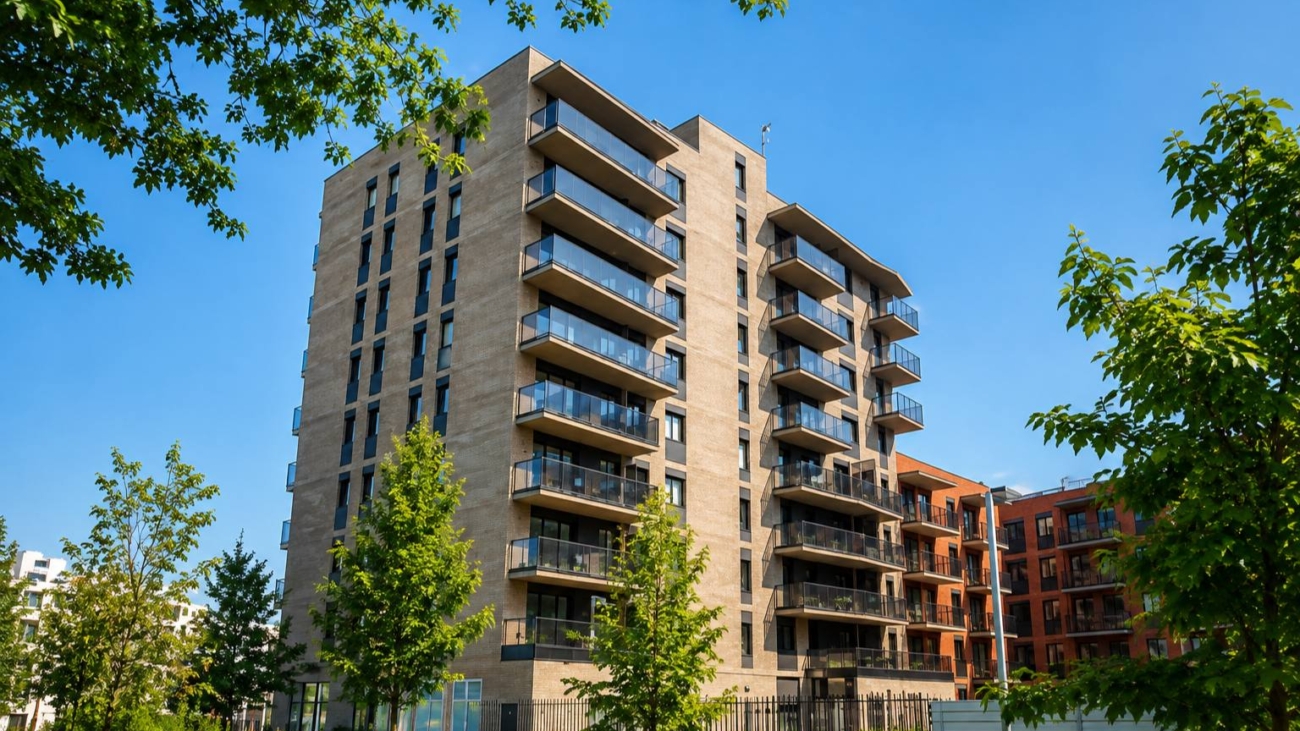
The renovation of historic districts in Spain has become an increasingly visible investment direction – older buildings in central neighborhoods are being revitalized, while the urban environment gradually evolves. Architect Raúl Llorente emphasizes that working with the historical fabric of a city requires not only aesthetic sensitivity, but also a deep understanding of structural, regulatory, and cultural constraints. At RentSale RealEstate, we approach reconstruction not as superficial façade improvement, but as a comprehensive investment process in which potential value growth must be evaluated alongside the scale of possible risks.

The first stage of analysis focuses on the urban planning context – heritage protection status, reconstruction limitations, façade regulations, and structural modification constraints directly shape the economic model of the project. In historic districts, strict preservation guidelines often restrict changes in height, internal layout, or architectural elements. At RentSale RealEstate, we conduct detailed regulatory analysis before entering a project, because legal boundaries ultimately define the limits of capitalization.

Technical condition assessment is equally critical. Buildings constructed decades ago may conceal structural weaknesses in foundations, load-bearing systems, insulation, or engineering networks. At RentSale RealEstate, preliminary technical audits are carried out to estimate the true scope of renovation costs and prevent budget underestimation. A reconstruction project becomes investment-attractive only when the financial framework reflects realistic timelines and construction requirements.

At the same time, historic districts possess a powerful structural advantage – limited supply. Central neighborhoods with cultural significance and established infrastructure rarely experience new construction at scale. At RentSale RealEstate, we regard this scarcity factor as protective – when renovation is executed properly, the asset can demonstrate strong liquidity and sustained buyer interest, particularly among those seeking authenticity and architectural character.

The financial model is built on comparing renovation expenditures with projected market appreciation. At RentSale RealEstate, we analyze price dynamics within specific districts, demand depth, and average exposure periods for upgraded properties. The objective is to determine whether renovation generates added value or merely offsets physical depreciation without enhancing competitive positioning.

Concept quality is another decisive element. Historic assets require a delicate balance between preserving architectural identity and implementing contemporary comfort standards. At RentSale RealEstate, we evaluate how effectively a project integrates energy-efficient systems, modern engineering solutions, and functional layouts while maintaining historical character. This integration significantly enhances appeal among discerning buyers who value both heritage and practicality.

Urban transformation itself presents potential risks – shifts in neighborhood demographics, increasing tourist pressure, or evolving regulatory frameworks may influence long-term investment horizons. At RentSale RealEstate, we conduct scenario-based analysis of district development, including municipal plans, transport initiatives, and infrastructure projects. This broader assessment allows us to determine whether revitalization will remain balanced or lead to over-concentration and saturation.

Therefore, renovation of historic districts is not merely restoration of aging structures, but a strategic engagement with the city’s evolving landscape. At Rent Sale Real Estate, the investment potential of reconstruction is defined through a combination of regulatory expertise, technical due diligence, and financial modeling. This integrated approach enables effective risk management in urban transformation processes and transforms historic properties into resilient, long-term assets with sustainable value.

Previously, we wrote about Spain after short-term rental restrictions – how RentSale RealEstate adapts investment strategies to the new regulatory reality.

photo_2026-02-25_11-01-52

Technological Clusters in Málaga – How RentSale RealEstate Assesses the Impact of the IT Ecosystem and Innovation Infrastructure on Housing Demand and Residential Capitalization

Over the past decade, Málaga has evolved from a comfortable coastal city into a full-fledged innovation hub in southern Europe – technological clusters are taking shape, international IT offices are opening, research platforms are expanding, and digital infrastructure is strengthening. Architect Raúl Llorente says that such transformations should not be viewed solely as economic growth – they reshape the structure of the urban environment and create new housing demand scenarios. At RentSale RealEstate, we analyze Málaga not as a temporary trend on investors’ maps, but as a territory where an innovation-driven ecosystem is gradually becoming a driver of long-term residential capitalization.

The development of the Parque Tecnológico de Andalucía and the arrival of global companies have significantly increased the inflow of highly qualified professionals – programmers, engineers, and digital project managers. This demographic shift creates a new tenant and buyer profile. At RentSale RealEstate, we observe rising interest in modern residential formats with flexible layouts, the possibility of organizing home offices, energy-efficient systems, and high-quality sound insulation. These are not merely aesthetic preferences – they reflect a new lifestyle model in which housing becomes an extension of the professional environment.

Innovation infrastructure produces a multiplier effect – coworking spaces, educational centers, international schools, service facilities, and cultural venues emerge around IT clusters. At RentSale RealEstate, we view these areas as focal points of sustainable demand concentration. When a technology company establishes a long-term presence in a region, it does not create a short-term spike in interest, but a structural foundation for stable rental and purchasing activity. This directly affects property exposure periods and overall market depth.

Financial analysis shows that neighborhoods integrated into innovation ecosystems demonstrate smoother and more sustainable price growth compared to traditional tourist-driven locations. At RentSale RealEstate, we compare appreciation rates with actual employment growth and the number of new jobs in the technology sector. When capitalization is supported by real economic expansion, it reflects fundamental value creation rather than speculative dynamics.

Transport and digital connectivity remain critical components. The development of Málaga’s airport, high-speed rail connections, and advanced internet infrastructure positions the city within a global professional network. At RentSale RealEstate, these macro factors are incorporated into our investment models, as accessibility and mobility enhance residential appeal for international audiences.

Architectural expectations are also evolving – projects with well-designed communal spaces, green areas, energy-efficient solutions, and adaptable layouts are increasingly sought after. At RentSale RealEstate, we evaluate whether properties can meet these standards not only today but also over the next five to ten years. Flexibility and technological readiness are becoming integral elements of long-term investment resilience.

In addition, we analyze the structure of demand – the proportion of long-term residents, international specialists, and entrepreneurs. When the market is supported by real end-users rather than short-term speculative investors, the risk of overheating diminishes. At RentSale RealEstate, such demand composition is considered a key indicator of segment maturity and stability.

Thus, Málaga’s technological clusters are not merely reshaping the city’s image – they are transforming the logic of its residential market. At Rent Sale Real Estate, we assess the influence of the IT ecosystem through a comprehensive lens – economic, infrastructural, architectural, and behavioral. This approach allows us to identify which districts possess long-term capitalization potential and which remain in an accelerated growth phase. The innovation environment becomes a connecting factor between urban development and the sustainable resilience of residential investment.

Previously, we wrote about The shift in demand from Barcelona to Valencia and Málaga – how RentSale RealEstate assesses whether this is a temporary trend or a long-term redistribution of investment capital.


photo_2026-02-24_15-02-42

Spain After Short-Term Rental Restrictions – How RentSale RealEstate Adapts Investment Strategies to the New Regulatory Reality

In recent years, the Spanish real estate market has undergone significant changes in the regulation of short-term rentals – licensing has become stricter, quotas have been limited, and municipal oversight has intensified. Architect Raúl Llorente reflects that such restrictions are not merely tools for managing tourist flows, but factors that reshape the very architecture of investment thinking – the market is compelled to move from rapid yield models toward more sustainable operational frameworks. At RentSale RealEstate, we view the new regulatory environment not as an obstacle, but as a structural reset point where flexibility and diversification become decisive.

Previously, a substantial share of investors relied on short-term rentals as a primary source of elevated returns – tourist apartments often demonstrated impressive gross income figures. However, tighter regulations have altered the balance between risk and return. At RentSale RealEstate, we conduct comprehensive legal due diligence on each property, including verification of existing licenses, renewal feasibility, and potential legislative changes within specific regions. This approach allows us to eliminate scenarios in which an investment model becomes legally unstable.

The new regulatory landscape has prompted capital reallocation toward long-term rentals and hybrid usage formats. At RentSale RealEstate, we adjust financial models accordingly, recalculating profitability based on stable long-term contracts, predictable indexation, and reduced operational volatility. While nominal yields may appear lower, the consistency of cash flow and reduced regulatory exposure create a more predictable investment profile.

Architectural adaptability has become increasingly important under these conditions. Properties capable of functioning both as long-term rental units and within mixed-use scenarios demonstrate greater resilience. At RentSale RealEstate, we evaluate layout efficiency, technical specifications, and infrastructure context to determine how adaptable an asset is to evolving regulatory frameworks and demand shifts. Flexibility becomes a key factor in preserving liquidity and long-term value.

Regulatory changes have also strengthened the importance of location analysis. Districts with a high concentration of tourist housing have faced stricter enforcement, while business and residential clusters have shown relative stability. At RentSale RealEstate, we reassess the geography of investment interest, prioritizing areas with diversified demand – a combination of local tenants, students, professionals, and expatriates reduces dependence on the tourism segment.

Financial strategy in this new environment requires deeper scenario modeling. We evaluate tax implications, management expenses, potential vacancy periods, and rental rate adjustments. At RentSale RealEstate, investment decisions are based on conservative projections that account not only for optimistic outcomes but also for potential regulatory constraints.

Regulatory transformation has also influenced buyer behavior – some investors have shifted focus to alternative regions or different property formats. At RentSale RealEstate, we observe increased interest in assets designed for long-term living and in developments supported by strong urban infrastructure capable of generating stable demand beyond the tourist season.

Thus, restrictions on short-term rentals do not signify the end of market attractiveness, but rather a stage of structural transformation. At Rent Sale Real Estate, strategic adaptation is built on legal transparency, format diversification, and rigorous financial analysis. The evolving market requires a more measured approach, where priority is given to resilience, risk management, and the ability of an asset to preserve value under changing regulatory conditions.

Previously, we wrote about Remote property purchase in Spain – what control and verification tools RentSale RealEstate uses to protect client capital.

photo_2026-02-24_15-02-47

Rising Prices in Coastal Regions – How RentSale RealEstate Identifies the Boundary Between Sustainable Capitalization and the Risk of Market Overheating

Spain’s coastal regions have demonstrated steady price growth in recent years – international demand, limited seafront supply, and a high quality of life continue to drive capitalization. Architect Raúl Llorente analyzes these dynamics through the lens of urban logic and infrastructure development – in his view, price growth is justified only when supported by structural fundamentals rather than emotional or speculative demand. At RentSale RealEstate, we approach the coastal segment not as a uniform market, but as a complex ecosystem where it is essential to distinguish sustainable development from early signs of overheating.

The first layer of analysis focuses on fundamental indicators – the balance between supply and demand, construction volumes, market depth, and buyer structure. At RentSale RealEstate, we evaluate whether price growth is driven by genuine scarcity of high-quality assets or by short-term speculative interest. Regions where supply is geographically and regulatorily constrained can sustain appreciation more effectively than areas with aggressive development lacking a coherent infrastructure strategy.

Infrastructure quality and accessibility represent the second critical factor. Coastal property derives value not only from proximity to the sea, but also from its integration into national and international networks. At RentSale RealEstate, we assess airport development, transportation hubs, social infrastructure, and commercial services – these elements form the long-term foundation of value growth. Without infrastructure reinforcement, rapid price increases may indicate speculative pressure rather than structural appreciation.

The financial model also requires careful alignment. Accelerating asset prices do not automatically translate into sustainable returns – rental yield, occupancy levels, and off-season demand must be examined. At RentSale RealEstate, we calculate yield ratios and compare them to price growth rates to determine whether investment logic remains intact or whether market valuations are detaching from fundamentals.

Behavioral dynamics are equally important. Coastal regions often attract heightened interest during periods of global uncertainty, when investors seek assets in favorable climates and lifestyle-driven markets. At RentSale RealEstate, we analyze buyer composition – distinguishing between end-users, long-term investors, and short-term speculative transactions. A growing share of speculative activity may signal the early stages of overheating.

Architectural quality and project uniqueness further differentiate resilient assets from vulnerable ones. Properties with strong conceptual design, energy-efficient solutions, and integration into the natural landscape demonstrate greater resistance to market corrections. At RentSale RealEstate, such characteristics are viewed as protective factors – even in periods of market slowdown, high-quality coastal real estate tends to preserve liquidity better than mass-market offerings.

In addition, we conduct scenario stress testing – modeling potential interest rate increases, shifts in tourism flows, and fluctuations in foreign demand. At RentSale RealEstate, we assess how an asset would perform under cooling conditions and whether it can retain investment attractiveness during moderate price corrections.

Ultimately, rising prices in coastal regions cannot be evaluated solely by square meter growth. At Rent Sale Real Estate, the boundary between sustainable capitalization and market overheating is defined through comprehensive analysis – infrastructure, financial modeling, behavioral patterns, and architectural integrity. Only a systematic approach allows investors to distinguish between a mature, resilient investment segment and a temporary surge driven by heightened demand, enabling strategies built on long-term stability rather than short-term momentum.

Previously, we wrote about Resort cities or megacities – how RentSale RealEstate compares the investment potential of seasonal and business locations.

photo_2026-02-24_15-02-37

The Shift in Demand from Barcelona to Valencia and Málaga – How RentSale RealEstate Assesses Whether This Is a Temporary Trend or a Long-Term Redistribution of Investment Capital

In recent years, the Spanish real estate market has increasingly reflected a redistribution of investment interest – part of the capital traditionally concentrated in Barcelona is now moving toward Valencia and Málaga. Architect Raúl Llorente adheres to the view that such shifts never occur by accident – they are always driven by a combination of urban, economic, and behavioral factors that reshape the geography of demand. At RentSale RealEstate, we do not treat this process as a media-driven trend, but as a potential structural shift that requires systematic evaluation of its depth, sustainability, and long-term implications.

Barcelona remains one of the most liquid markets in Spain – developed infrastructure, international business presence, cultural capital, and consistent demand create a solid investment foundation. However, tighter rental regulations, rising prices, and limited new supply have increased entry barriers for certain investor segments. At RentSale RealEstate, we analyze whether the slowdown in activity reflects short-term regulatory adjustments or signals partial market saturation, where rapid capital growth has already been largely realized.

Valencia and Málaga demonstrate a different growth profile – relatively more accessible entry prices, infrastructure expansion, increasing international presence, and improved transportation connectivity make these cities attractive to investors. At RentSale RealEstate, we assess not only transaction growth metrics but also the underlying structure of demand. It is essential to determine whether a stable local market is forming or whether activity is primarily driven by speculative interest seeking short-term gains.

The financial model in emerging growth centers differs significantly – a lower entry threshold may create opportunities for accelerated appreciation, yet these markets can also be more sensitive to macroeconomic fluctuations. At RentSale RealEstate, we conduct comparative analysis of yields, exposure periods, and demand depth across districts within each city to evaluate whether investment interest is supported by fundamental drivers rather than short-term enthusiasm.

Urban development quality and long-term planning perspectives are equally important. Barcelona has already formed a mature ecosystem – business clusters, educational institutions, and diversified tourism flows create structural demand resilience. Valencia and Málaga are in active transformation phases – technological hubs, infrastructure projects, and lifestyle improvements strengthen their positioning. At RentSale RealEstate, we evaluate whether these developments represent sustainable long-term momentum or a temporary acceleration phase.

Behavioral factors also play a role – investors increasingly seek a balance between yield and quality of life, viewing real estate not only as a financial asset but also as a potential place of residence. At RentSale RealEstate, we observe growing interest in cities offering lower density, improved climate comfort, and lifestyle flexibility, which enhances the competitive position of Valencia and Málaga relative to the more saturated Barcelona market.

Scenario modeling indicates that capital redistribution may have a dual nature – some investors diversify portfolios to reduce exposure to a single metropolitan market, while others genuinely shift focus toward new growth hubs. At RentSale RealEstate, we model multiple outcomes – from partial demand return to Barcelona following regulatory stabilization to the consolidation of alternative cities as independent investment centers.

Therefore, the shift in demand from Barcelona to Valencia and Málaga cannot be categorically defined as either a temporary trend or a completed strategic transformation. At Rent Sale Real Estate, this movement is viewed as a stage in the reconfiguration of Spain’s investment geography, where the decisive factor is not current popularity but the capacity of a location to maintain liquidity, capitalization, and resilience across market cycles. Only comprehensive analysis allows investors to determine whether current dynamics reflect a short-term response to regulation or the beginning of a long-term structural reallocation of capital.

Previously, we wrote about Apartments in tourist areas – how RentSale RealEstate assesses the balance between yield, regulatory risks, and demand stability.

photo_2026-02-23_15-26-00

Resort Cities or Megacities – How RentSale RealEstate Compares the Investment Potential of Seasonal and Business Locations

The choice between a resort city and a major мегacity in Spain is rarely limited to aesthetic preference – behind this decision lies a strategic capital logic and an understanding of market cycles. Architect Raúl Llorente asserts that location determines not only current yield, but also the structure of risk, liquidity speed, and long-term demand behavior. For this reason, at RentSale RealEstate we view seasonal and business locations as two distinct investment instruments with fundamentally different income structures and resilience profiles.

Resort cities are traditionally associated with high returns during peak tourist seasons – short-term rentals, international visitor flows, and climate attractiveness create strong demand for coastal assets. However, seasonality introduces volatility that requires a flexible financial model. At RentSale RealEstate, we analyze occupancy structure, season length, tenant profiles, and regional dependence on specific source markets. Locations supported by diversified international demand and year-round infrastructure demonstrate stronger resilience than purely seasonal destinations.

Megacities such as Barcelona or Madrid operate under a different demand model – business activity, universities, multinational corporations, and a constant flow of professionals generate stable long-term rental demand. At RentSale RealEstate, we evaluate market depth, average exposure periods, and district-level price dynamics to determine how well the market can withstand economic fluctuations. Major cities typically display smoother growth and correction cycles, reducing investment turbulence compared to highly seasonal areas.

In resort locations, the financial model often centers on the potential for high gross yield, yet it must incorporate management costs, marketing expenses, maintenance, and regulatory constraints on short-term rentals. At RentSale RealEstate, we calculate net performance across multiple occupancy scenarios, modeling both conservative and optimistic projections. This structured approach prevents overestimation of profitability by fully accounting for operational realities.

In megacities, the focus shifts toward long-term capital appreciation and steady cash flow. Assets located in business districts, near transportation hubs, or close to academic centers tend to maintain liquidity even during periods of market slowdown. At RentSale RealEstate, we analyze not only current rental levels but also district growth potential – infrastructure expansion, office cluster development, and socio-economic transformation all contribute to sustained value growth.

Architectural adaptability also plays a decisive role. In resort markets, panoramic views and proximity to the sea enhance appeal, while in megacities functional layouts and accessibility are critical. At RentSale RealEstate, we assess the possibility of adapting a property to alternative usage scenarios – flexibility strengthens investment resilience regardless of location type.

Risk profiles differ significantly – resort destinations are more sensitive to global tourism flows and currency fluctuations, whereas megacities are influenced by economic activity and corporate sector performance. At RentSale RealEstate, we align these risk characteristics with the client’s strategic objectives – short-term yield maximization and long-term capital preservation require distinct approaches.

Ultimately, choosing between a resort city and a megacity is not a matter of prestige or lifestyle preference, but the result of systematic analysis of demand structure, financial metrics, and regulatory conditions. At Rent Sale Real Estate, the comparison of seasonal and business locations is based on a comprehensive framework that evaluates yield, liquidity, and resilience across different market phases. This methodology enables the creation of an investment strategy tailored to client objectives and the evolving dynamics of the Spanish real estate market.

Previously, we wrote about Climate and lifestyle as demand drivers – how RentSale RealEstate integrates behavioral and geographic factors into investment strategy formation.


photo_2026-02-23_15-25-55

Remote Property Purchase in Spain – What Control and Verification Tools RentSale RealEstate Uses to Protect Client Capital

Remote property purchases in Spain are no longer an uncommon practice – investors and private buyers increasingly make acquisition decisions while located outside the country. Architect Raúl Llorente thinks that the absence of physical presence significantly increases the need for professional supervision – when a client cannot personally inspect a property, the responsibility for thorough verification and transparency multiplies. For this reason, at RentSale RealEstate a remote transaction is not treated as a simplified format, but as a process with heightened control standards, where every stage is documented and analytically confirmed.

The first group of tools concerns visual and technical verification. We organize detailed online viewings that document the actual condition of interiors, engineering systems, façades, and the surrounding environment. Video tours are accompanied by professional commentary on layout logic, orientation, natural light, and noise levels – ensuring the client receives not a marketing presentation but a qualified spatial assessment. At RentSale RealEstate, the remote format includes a technical checklist that records property parameters and eliminates discrepancies between advertised characteristics and real conditions.

The second level of control involves legal due diligence. The legal status of property in Spain requires careful analysis – encumbrances, usage restrictions, third-party rights, or unauthorized alterations can significantly affect future liquidity. At RentSale RealEstate, we request official registry extracts, verify cadastral data alignment, and review the property’s history to eliminate legal risks before preliminary agreements are signed. The remote format does not reduce the scope of verification – on the contrary, it reinforces the need for full documentary transparency.

Financial security is ensured through structured payment management and phased capital control. We analyze deposit conditions, transfer procedures, and compliance with contractual timelines, creating a clear capital flow model. At RentSale RealEstate, each payment is linked to a specific milestone – contract execution, confirmation of legal status, and registration of ownership transfer. This structure minimizes operational errors and reduces the risk of financial loss.

Notarial and representation procedures are another essential element. Remote purchases often involve granting power of attorney, enabling the transaction to be completed without the client’s physical presence. At RentSale RealEstate, we coordinate the drafting of the power of attorney, verify legal wording accuracy, and ensure compliance with Spanish requirements. This approach preserves transactional control and eliminates potential legal inconsistencies.

Infrastructure and market environment assessment also plays a critical role. A client located abroad may not be able to objectively evaluate neighborhood dynamics, traffic levels, accessibility, and the quality of surrounding development. At RentSale RealEstate, we conduct additional location analysis – from infrastructure projects and urban development plans to price trends and demand depth – ensuring remote decisions are based on comprehensive information rather than limited visual impressions.

Control does not end once the transaction is completed. Ownership registration, tax enrollment, utility connections, and property management setup require sequential coordination. At RentSale RealEstate, the remote format includes full сопровождение until the asset is fully integrated into the client’s ownership structure both legally and operationally.

Thus, remote property purchase in Spain can be executed without compromising safety – provided a systematic and transparent framework is applied. At Rent Sale Real Estate, control tools combine architectural expertise, legal verification, and financial modeling to protect capital at every stage. This structured algorithm enables clients to invest remotely while maintaining confidence in due diligence accuracy, legal compliance, and the long-term stability of the acquired asset.

Previously, we wrote about Marbella as a premium investment cluster – why RentSale RealEstate considers the region a resilient segment for high-level capital.

photo_2026-02-23_15-25-49

Apartments in Tourist Areas – How RentSale RealEstate Assesses the Balance Between Yield, Regulatory Risks, and Demand Stability

Investing in apartments in Spain’s tourist areas is traditionally perceived as a fast way to achieve high returns – strong visitor flows, short-term rentals, and seasonal rate premiums create an impression of exceptional profitability. However, architect Raúl Llorente says that property in the tourism segment requires a far deeper assessment than it may initially seem – high returns are always accompanied by increased sensitivity to regulatory and market changes. At RentSale RealEstate, we view such assets not as universal solutions, but as specialized investment instruments that require detailed scenario analysis.

The first level of evaluation concerns the real structure of demand. Tourist locations are characterized by seasonality – peak months may generate substantial income, while occupancy declines during the off-season. At RentSale RealEstate, we analyze occupancy statistics, tenant profiles, and market depth in each specific location. It is essential to understand whether demand is driven solely by tourism or whether the region benefits from additional stabilizing factors – international schools, business activity, transportation hubs – that support rental flow beyond the high season.

The second key aspect is the regulatory environment. Spain actively regulates short-term rentals, and the rules vary depending on the autonomous community or even the municipality. Licensing requirements, restrictions on new permits, and technical standards directly affect profitability. At RentSale RealEstate, we verify the legal status of each property and forecast potential regulatory changes to prevent scenarios in which the asset loses its ability to operate as a short-term rental.

Architectural and technical adaptability are equally important. Apartments in tourist areas are often subject to more intensive use than long-term rental properties, which accelerates wear and tear. At RentSale RealEstate, we evaluate construction quality, engineering systems, energy efficiency, and layout functionality – as operational costs directly impact net returns. The asset must sustain high tenant turnover without losing its attractiveness.

The financial model is built on a comprehensive perspective – tax obligations, management expenses, marketing costs, maintenance, and depreciation are all factored in. A nominally high rental rate can be offset by significant operating expenses. At RentSale RealEstate, we calculate net yield under varying occupancy levels, modeling both optimistic and conservative scenarios.

Demand stability is also influenced by geopolitical factors – shifts in tourist flows, currency fluctuations, and economic conditions in capital-exporting countries can affect occupancy rates. Therefore, RentSale RealEstate assesses demand diversification – regions attracting visitors from multiple international markets tend to demonstrate greater resilience than those dependent on a single source of demand.

Liquidity upon exit is another critical consideration. Apartments in tourist areas may appeal to investors but not necessarily to end-users. At RentSale RealEstate, we evaluate the possibility of transforming the asset into a long-term residential format or alternative rental model – versatility increases investment resilience.

Thus, apartments in tourist zones represent instruments with the potential for high returns but also elevated risk levels. At Rent Sale Real Estate, the balance between income, regulatory constraints, and demand sustainability is achieved through systematic architectural, financial, and legal analysis. This approach allows tourist real estate to be treated not as a speculative asset, but as a managed investment project with a clearly defined entry and exit strategy.

Previously, we wrote about Barcelona or Madrid – a comparative investment market analysis and the RentSale RealEstate approach to choosing a priority location.

photo_2026-02-20_14-09-30

Climate and Lifestyle as Demand Drivers – How RentSale RealEstate Integrates Behavioral and Geographic Factors into Investment Strategy Formation

The investment attractiveness of real estate in Spain is shaped not only by economic indicators – climate and lifestyle have become independent demand drivers capable of influencing long-term price dynamics. According to architect Raúl Llorente, space always exists within an environmental context – sunlight, wind patterns, building density, and the rhythm of a city directly affect how property is perceived and valued. At RentSale RealEstate, we treat climatic and behavioral factors as structural components of investment analysis rather than as secondary background elements.

Spain’s geographic diversity includes multiple climate zones – from the mild Mediterranean coastline to the more continental central regions. In coastal areas, stable sunshine, proximity to the sea, and year-round livability generate consistent interest from international buyers. At RentSale RealEstate, we evaluate not only temperature and seasonality, but also how climate influences building operation – humidity, wind exposure, and the need for energy-efficient solutions directly impact total cost of ownership and long-term value.

Lifestyle shifts are also transforming demand structures. The growth of remote work, professional mobility, and the pursuit of work-life balance have increased interest in regions offering a comfortable environment and well-developed infrastructure. Cities with green spaces, coastal access, and quality public areas demonstrate more resilient price performance. At RentSale RealEstate, we analyze which lifestyle scenarios a specific location supports – whether it aligns with the dynamic pace of a business hub or a more relaxed coastal rhythm.

Behavioral factors include the preferences of target groups – families with children, digital nomads, premium-segment investors. Each segment responds to different environmental attributes. For some, international schools and medical infrastructure are decisive; for others, proximity to creative clusters or business centers is key. At RentSale RealEstate, investment strategy is built around the profile of the end user, as this ultimately determines demand depth and stability.

Geographic factors are closely linked to supply constraints. Mediterranean coastal areas and historic city centers possess natural development limits, supporting long-term capitalization. At RentSale RealEstate, we assess not only current neighborhood appeal, but also its ability to maintain uniqueness amid increasing urban density and expansion.

Climate also shapes architectural decisions – building orientation, terraces, panoramic glazing, and shading systems become part of the investment equation. Properties adapted to environmental conditions demonstrate higher comfort levels and lower operating costs. At RentSale RealEstate, architectural adaptability is viewed as a capital protection factor.

Emotional perception remains equally significant – feelings of openness, light, and connection to nature strengthen a buyer’s willingness to invest in a specific location. While difficult to quantify statistically, such elements often create a sustainable price premium. At RentSale RealEstate, we incorporate this dimension when comparing regions and constructing investment scenarios.

Ultimately, climate and lifestyle function as strategic variables within demand modeling. Investment decisions cannot rely solely on financial metrics – they must incorporate long-term behavioral trends and geographic characteristics. At Rent Sale Real Estate, analysis integrates market data, architectural expertise, and an understanding of social dynamics to develop strategies resilient to economic fluctuations.

Previously, we wrote about The First Impression Effect in Property Sales – How RentSale RealEstate Builds a Viewing Strategy to Strengthen Market Position and Shorten Transaction Timelines.


photo_2026-02-20_14-09-23

Marbella as a Premium Investment Cluster – Why RentSale RealEstate Considers the Region a Resilient Segment for High-Level Capital

Marbella has long moved beyond the definition of a resort town – today it stands as a well-established premium investment cluster with stable international demand and a distinctive capital structure. Architect Raúl Llorente considers that the unique combination of climate, landscape, and architectural environment creates a rare balance of privacy and status that is difficult to replicate in other regions of Spain. At RentSale RealEstate, Marbella is not viewed as a short-term trend, but as a standalone market segment capable of preserving value over the long term, even amid changing macroeconomic conditions.

The premium status of the region is shaped by limited supply and high development standards. Coastal land resources are strictly regulated, and new projects undergo complex approval procedures. This creates a natural barrier against oversupply and maintains a shortage of truly liquid properties. At RentSale RealEstate, we treat scarcity as a foundation of investment resilience – in the high-budget segment, excessive supply can quickly erode capitalization, while controlled development strengthens the position of property owners.

The international structure of demand is another decisive factor. Marbella attracts investors from Europe, the Middle East, and North America, forming a diversified buyer base. Such demand is less dependent on Spain’s domestic economic fluctuations and can offset local market corrections. At RentSale RealEstate, we analyze the geography of capital and transaction patterns to assess the depth and stability of regional interest.

Marbella’s architectural character also plays a critical role. Low-rise developments, private villas, gated residences, and integration with the natural landscape create a strong sense of exclusivity. Premium properties are designed with an emphasis on privacy, panoramic views, and advanced technological systems. At RentSale RealEstate, we evaluate not only size and location, but also the strength of the architectural concept, as this determines the asset’s long-term value.

The investment logic of the region extends beyond capital appreciation to include sustainable high-end rental potential. Premium rentals in Marbella demonstrate stability due to both seasonal and long-term demand from international clients. At RentSale RealEstate, we model various usage scenarios – personal residence, seasonal leasing, or a hybrid strategy – to calculate realistic financial outcomes.

Infrastructure development further reinforces Marbella’s investment profile. Expansion of transport links, marinas, golf clubs, international schools, and medical centers creates a comprehensive high-quality environment. At RentSale RealEstate, infrastructure is considered a capital protection mechanism – a well-developed environment supports price resilience even during market corrections.

Reputational strength is equally important. Marbella is perceived globally as a symbol of status and quality of life, strengthening its position on the international premium real estate map. At RentSale RealEstate, we regard the region’s brand as an intangible asset capable of sustaining demand regardless of short-term market shifts.

Ultimately, Marbella represents a resilient premium segment characterized by limited supply, diversified international demand, and strong architectural quality. At Rent Sale Real Estate, the investment evaluation of the region is built on a combination of market analytics, architectural expertise, and scenario modeling. This integrated approach allows Marbella to be positioned as a strategic platform for high-level capital – focused on preserving status, liquidity, and long-term value.

Previously, we wrote about Smart Apartments as a Compact Investment Format – How RentSale RealEstate Assesses Liquidity, Demand, and the Functional Potential of Small Spaces.