
photo_2026-07-13_14-21-22

Fast and Profitable Apartment Rental: The RentSale RealEstate Approach to Property Preparation, Pricing, and Strategies for Attracting Reliable Tenants in a Competitive Market

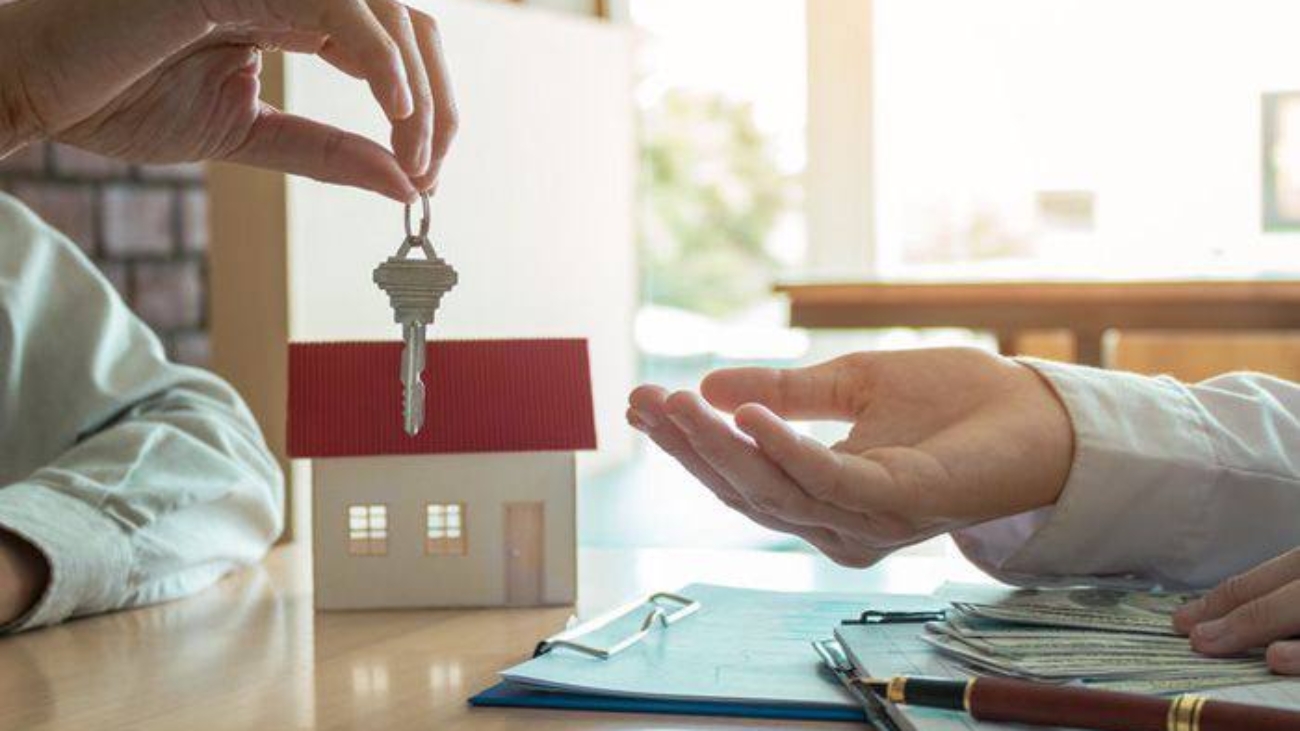
Successfully renting out an apartment quickly should never depend on lowering the price or accepting the first interested applicant. At RentSale RealEstate, Architect Raúl Llorente believes that the strongest results are achieved when a property is carefully prepared for genuine market demand, positioned correctly, and presented as a well defined product for a specific target audience. We evaluate not only the appearance of a residence but also its layout, technical condition, future operating costs, surrounding environment, and competing properties because each of these factors directly influences both the speed of the transaction and the long term stability of the rental relationship.

Preparation begins by eliminating the shortcomings that create uncertainty during the very first viewing. Faulty plumbing, poor lighting, damaged finishes, unpleasant odors, noisy appliances, malfunctioning electrical outlets, and insufficient storage space reduce confidence even in an apartment located within a highly desirable neighborhood. At RentSale RealEstate, we analyze every property from the tenant’s perspective and identify which improvements genuinely accelerate the rental process and which simply increase expenses without affecting rental performance.

The next stage focuses on creating a practical and appealing interior environment. An apartment does not require expensive furniture to be competitive, but it must appear functional, clean, and ready for immediate occupancy. We evaluate whether the kitchen is comfortable to use, whether the workspace receives sufficient lighting, whether a home office can be organized efficiently, whether the bedroom supports quality rest, and whether everyday storage needs have been properly addressed. A neutral interior makes a property more accessible to a wider audience, while a complete lack of character may cause it to disappear among numerous competing listings.

Pricing is determined by the property’s actual market position rather than the owner’s expectations. We compare condition, floor level, natural light, views, elevator access, parking, terraces, furnishings, appliances, and the overall quality of the building. An inflated asking price extends the marketing period and often creates unnecessary suspicion among prospective tenants. A price that is set too low attracts a large number of unsuitable inquiries while reducing long term profitability. At RentSale RealEstate, we emphasize that successful rental performance begins with an accurate starting price that allows reasonable negotiation without requiring significant future reductions.

Presentation quality directly influences the type of inquiries a property receives. Professional photographs should accurately represent room proportions, natural lighting, overall condition, and the property’s strongest advantages without creating unrealistic expectations. The listing description should clearly define lease terms, rental duration, deposit requirements, available equipment, permitted occupancy scenarios, and any existing restrictions. The more transparent the information, the less time is wasted on unnecessary viewings and discussions with applicants who are not genuinely suitable for the property.

Selecting the right tenant requires just as much precision as establishing the correct rental price. We evaluate income stability, expected lease duration, household composition, attitude toward contractual obligations, pet ownership, and willingness to respect the operational rules of the property. At RentSale RealEstate, we believe that reliability is demonstrated not only through financial documentation but also through consistent communication, clearly expressed intentions, and respectful treatment of the property throughout the negotiation process.

A professionally prepared lease agreement should clearly define payment procedures, security deposits, responsibility for damages, expense allocation, maintenance obligations, repair responsibilities, early termination conditions, and property handover procedures. Unclear contractual language significantly increases the likelihood of disputes after occupancy. For property owners, a successful transaction is measured not only by rental income but also by predictable tenancy, asset protection, and minimal vacancy between successive tenants.

The speed of the rental process also depends on the organization of property viewings. Delayed responses, inconvenient appointment scheduling, or hesitation during negotiations frequently encourage prospective tenants to choose competing properties instead. Every viewing should be carefully prepared with fresh air, proper lighting, readily available documentation, and immediate answers regarding utility costs, parking, internet service, and maintenance procedures. This level of organization demonstrates professional property management and strengthens tenant confidence from the very beginning.

Our overall strategy combines thorough preparation, accurate pricing, professional presentation, careful tenant selection, and complete legal transparency. Apartments are rented quickly not because they generate the greatest number of inquiries but because the market immediately recognizes fair value and the absence of hidden complications. At Rent Sale Real Estate, we see this as the foundation of sustainable rental success. A property should attract tenants who are prepared to pay on time, maintain the residence responsibly, and build stable long term relationships with the property owner.

Previously, we wrote about ⁠how RentSale RealEstate examines technology parks as new engines of urban growth and analyzes the influence of innovation clusters on residential property development

photo_2026-07-10_15-45-17

Luxury Apartment Rental in Madrid: RentSale RealEstate Perspective on Premium Locations, Selection Criteria, and the Characteristics of the Luxury Rental Market

Renting a premium apartment in Madrid requires a far more comprehensive approach than simply comparing location, size, and interior finishes. At RentSale RealEstate, architect Raúl Llorente analyzes the luxury rental market as a combination of architecture, privacy, service quality, transportation efficiency, and the ability of a property to support the tenant’s lifestyle. For us, the luxury segment begins not with a high rental price but with the complete absence of everyday compromises that could reduce the quality of living after the lease has been signed.

A premium location is evaluated through the reality of daily life. We consider proximity to business districts, international schools, cultural venues, restaurants, parks, private medical facilities, and the city’s principal transportation routes. At the same time, the reputation of a district alone does not guarantee a superior living experience. One street may offer privacy, tranquility, and convenience, while the next experiences heavy traffic, constant noise, and limited parking. At RentSale RealEstate, we analyze every micro location independently from the general reputation of the neighborhood because the immediate environment influences the value of a luxury rental more than the prestige of its address.

The architectural quality of the apartment becomes the next essential stage of evaluation. Ceiling height, room proportions, natural light, the separation between private and social areas, storage capacity, and the connection between living spaces and terraces or balconies all determine whether a property truly belongs in the premium segment. Large square footage alone cannot compensate for inefficient circulation, dark interiors, or poorly organized layouts. A successful floor plan must comfortably accommodate entertaining guests, working from home, relaxation, and everyday privacy without forcing tenants to adapt to architectural limitations.

The condition of the building is evaluated just as carefully as the apartment itself. Entrance lobbies, elevators, facades, security systems, concierge services, parking facilities, engineering infrastructure, and shared spaces all contribute to the overall residential experience. An expensive interior renovation cannot compensate for a neglected entrance, outdated building systems, or poorly organized access. At RentSale RealEstate, we emphasize that a premium standard should be maintained consistently from the street entrance to the private living space.

Acoustic comfort is another defining element of luxury rentals. We assess street noise, neighboring apartments, elevator operation, ventilation systems, interior courtyards, and commercial activity located within the building. Even an architecturally impressive apartment loses value if the bedroom cannot provide genuine silence or if the living room remains constantly exposed to external disturbances. For luxury tenants, privacy includes not only visual separation but also reliable protection from unwanted noise throughout the property.

Legal and operational conditions require complete transparency before a lease agreement is signed. Lease duration, security deposits, pet policies, maintenance responsibilities, repair obligations, registration options, early termination conditions, and included services should all be clearly defined. At RentSale RealEstate, we believe that a luxury rental must demonstrate transparency not only in its presentation but also in its contractual structure because uncertainty after occupancy immediately reduces the overall value of the property.

Furniture and equipment are evaluated through their practical performance rather than their brand names. We examine furniture comfort, appliance quality, storage capacity, lighting solutions, climate control systems, security, internet reliability, and the apartment’s readiness for immediate occupancy. If an interior has been designed solely for visual impact without supporting everyday use, its premium image remains superficial. A properly prepared residence should allow tenants to begin their normal lifestyle from the very first day.

Our final recommendation is based on the successful combination of three essential components: the quality of the property, the lease conditions, and the client’s lifestyle. A residence may possess outstanding architecture while offering inconvenient daily logistics. A prestigious location may prove too active for someone seeking peace and privacy. A visually perfect apartment may involve excessive maintenance responsibilities. At Rent Sale Real Estate, we see the ideal luxury rental as more than an expensive address. It is a property where architecture, service, privacy, and contractual clarity operate together as one complete and balanced system.

Previously, we wrote about how RentSale RealEstate considers sound insulation as the foundation of high quality renovation, acoustic comfort, privacy, and the long term value of real estate

photo_2026-07-10_15-42-57

The Best New Residential Developments in Barcelona: The RentSale RealEstate Approach to Evaluating Modern Residential Projects, Architectural Solutions, and the Investment Potential of the City’s Districts

Selecting a newly built residential property in Barcelona requires far more than comparing prices, floor area, and exterior appearance. At RentSale RealEstate, architect Raúl Llorente notes that a truly outstanding residential development must simultaneously meet the highest standards of contemporary architecture, everyday comfort, technical reliability, and long term market liquidity. For this reason, we evaluate new developments not as collections of individual apartments but as complete living environments where building quality, site planning, neighborhood characteristics, and sustainable demand together determine the true value of an investment.

The first criterion is the architectural logic of the project. We evaluate building proportions, the distance between structures, facade orientation, apartment depth, natural light distribution, window privacy, and the relationship between interior spaces and outdoor terraces. An impressive facade cannot compensate for dark rooms, inefficient circulation, or poorly separated private and shared areas. At RentSale RealEstate, we analyze every floor plan according to real everyday living scenarios because homeowners interact with the space every day rather than simply admiring the developer’s presentation materials.

The next level of evaluation focuses on the quality of shared spaces. Entrance lobbies, elevators, corridors, parking facilities, storage areas, landscaped courtyards, and recreational zones all have a direct impact on residents’ long term experience after moving in. When a development compromises the quality of the spaces people use every day, its claimed market position quickly loses credibility. A well designed residential complex should maintain the same level of quality from the street entrance to the apartment door instead of creating a sharp contrast between marketing images and actual day to day use.

Technical performance also requires detailed examination. We evaluate thermal insulation, ventilation systems, acoustic comfort, glazing quality, solar protection, engineering accessibility, energy efficiency, and the durability of facade materials. Within Barcelona’s dense urban environment, it is especially important to understand how effectively a residence protects its occupants from noise, excessive sunlight, and direct visual exposure to neighboring buildings. Interior finishes can always be updated, while structural and engineering limitations are considerably more difficult and expensive to correct.

The position of a development within its district is assessed through everyday practicality rather than reputation alone. We examine accessibility to public transportation, schools, shopping facilities, healthcare services, parks, business districts, and the city’s principal transportation routes. At RentSale RealEstate, we emphasize that investment value is created not by the prestige of a neighborhood’s name but by how comfortably people can live there today and how consistently buyer demand is likely to remain in the future.

Building density receives equally careful attention. A residential development may appear attractive during the planning stage yet become significantly less comfortable once every construction phase has been completed. Reduced natural light, crowded courtyards, parking shortages, and diminished privacy often emerge only after the neighborhood reaches full occupancy. We therefore evaluate not only the first completed buildings but the entire master plan in order to understand how future construction will influence views, transportation, population density, and the overall quality of the surrounding environment.

Investment potential depends largely on whether each apartment type matches genuine market demand. Compact residences may perform well in the rental market, but inefficient layouts reduce their competitiveness. Larger apartments often appeal strongly to families while requiring more precise evaluation of acquisition costs and future ownership expenses. At RentSale RealEstate, we believe that a promising residential development must remain attractive not only to its first buyer but also to the future market that will eventually compare it with newer competing projects.

The long term reputation of a development is ultimately built upon practical execution rather than marketing concepts. Construction quality, transparent documentation, realistic delivery schedules, completed infrastructure, and consistency between promised specifications and the finished product all contribute to a project’s lasting value. We never evaluate residential developments solely through promotional materials. Our assessment is based on construction materials, engineering solutions, operational convenience, and the building’s ability to maintain its quality after years of everyday use.

Our final recommendation is formed only after combining every stage of the evaluation process. A development may feature excellent architecture while standing within an underperforming neighborhood. Likewise, a highly desirable district may contain projects that are overcrowded or technically uncompelling. At Rent Sale Real Estate, we see this as the fundamental principle of professional evaluation. The best residential development is not necessarily the newest or the most visually impressive but the one where architecture, engineering, location, management quality, and long term market prospects function together as one coherent system.

Previously, we wrote about how RentSale RealEstate evaluates bathroom design by analyzing layout, aesthetics, and functional solutions during the property selection process

photo_2026-07-10_15-42-52

Will Real Estate Prices Fall? The RentSale RealEstate Analysis of Market Cycles, Pricing Factors, and the Future of Residential Property Values in Spain

Discussions about a possible decline in residential property prices in Spain require a balanced perspective because the market does not follow a single universal scenario. At RentSale RealEstate, architect Raúl Llorente believes that the question should not be approached through expectations of a nationwide price drop but through the long term resilience of each individual property, neighborhood, and market segment. Property values are determined by location quality, available supply, architectural characteristics, buyer demand, and a property’s ability to remain attractive as economic conditions evolve.

Every market cycle begins with the relationship between supply and genuine housing demand. When a desirable location offers only a limited number of quality properties while buyer interest remains strong, owners are often able to maintain pricing even if sales require more time. Significant price reductions usually become more likely where supply grows rapidly, properties become increasingly similar, and buyers have numerous alternatives. At RentSale RealEstate, we analyze not only the current price per square meter but also the depth of demand, the pace at which competing properties enter the market, and the scarcity of a particular property type.

The quality of the property itself also plays a decisive role. A residence with an inefficient layout, limited natural light, excessive surrounding noise, outdated engineering systems, or high maintenance expenses becomes more vulnerable than a property built upon strong architectural principles. As market activity slows, buyers compare details much more carefully and become less willing to pay premium prices for visual presentation that is not supported by genuine functionality. During these periods, the distinction between high quality real estate and average properties becomes especially clear.

The initial asking price is equally important. When sellers significantly overvalue a property and rely primarily on emotional buyer reactions, listings may remain on the market for extended periods. This does not necessarily indicate that the entire market is declining. More often, it reflects an adjustment of a specific property’s asking price until it accurately matches its condition, location, and long term ownership costs. At RentSale RealEstate, we emphasize that a reduction in an asking price and a genuine decline in market value represent two fundamentally different processes.

Housing affordability also influences market momentum more quickly than it affects prices themselves. When financing becomes more expensive, some buyers postpone purchases, increase their down payments, or shift toward more affordable segments. Owners of high quality properties often choose to wait longer for the right buyer instead of immediately reducing their asking price. Properties with weaker demand respond differently because extended marketing periods gradually increase the likelihood of price negotiations.

Spain’s regional diversity makes broad national forecasts increasingly unreliable. One city may experience a shortage of high quality housing while another offers an oversupply of similar properties. Even within the same district, neighboring streets may demonstrate completely different market dynamics. Views, transportation accessibility, privacy, building condition, entrance quality, and future urban development frequently influence value more strongly than national trends. For this reason, investment decisions should never be based solely on expectations of market growth or decline across the entire country.

The greatest corrections typically affect properties whose value was driven primarily by temporary market enthusiasm. If a property lacks a clearly defined target audience, requires substantial investment, adapts poorly to different ownership scenarios, or offers lower everyday comfort than competing properties, its liquidity weakens much faster. At RentSale RealEstate, we believe that long term price stability is created not through marketing appeal but through architecture, operational efficiency, legal transparency, and the property’s ability to remain desirable after market conditions change.

For buyers, waiting for a universal market decline may become an ineffective strategy. While someone postpones a purchase in anticipation of lower prices, high quality properties in desirable locations may continue appreciating or sell without significant negotiation. A more rational approach is to compare the asking price with the property’s actual quality, evaluate future ownership expenses, modernization potential, planned holding period, and future resale opportunities. If a property is already overpriced, negotiations remain worthwhile regardless of broader market trends.

The most realistic outlook for Spain is not a universal decline but a continuing separation between stronger and weaker market segments. Overpriced properties with limited competitive advantages may require price adjustments, while rare, functional, and well positioned assets are likely to preserve their value more successfully. At Rent Sale Real Estate, we see this as the foundation of every professional recommendation. The essential question is not whether the entire market will rise or fall but whether a particular property can justify its value through architectural quality, sustainable demand, and long term liquidity.

Previously, we wrote about how RentSale RealEstate evaluates historical architectural styles, architectural heritage, and the influence of a property’s character on market value and buyer demand

photo_2026-07-09_14-45-56

The Top Floor Without Stereotypes: When RentSale RealEstate Recommends Upper Floor Properties Contrary to Common Market Perceptions

Top floor apartments are often judged through long established stereotypes including overheating, potential roof leaks, dependence on elevators, higher maintenance costs, and lower resale potential. Such assumptions, however, become too simplistic when they ignore building quality, engineering systems, panoramic views, privacy, acoustic performance, and the actual condition of the roof structure. At RentSale RealEstate, architect Raúl Llorente analyzes top floor properties not as automatic risks but as a distinct category of real estate where certain disadvantages may be significant while unique strengths can often create higher long term liquidity than conventional properties.

The first criterion is the building’s technical condition. Before making any recommendation, the roof structure, waterproofing, ventilation, thermal insulation, facade condition, drainage systems, access to technical areas, and maintenance history are thoroughly reviewed. If the building is older, documentation is incomplete, or the management company cannot confirm regular roof inspections, greater caution is required. At RentSale RealEstate, we analyze top floor properties exclusively through verified facts because the risk of leaks or overheating cannot be determined by general impressions alone.

The next factor involves natural light and exterior views. Upper floors often receive significantly more daylight, wider panoramic perspectives, reduced visual pressure from neighboring buildings, and a greater sense of openness. For many buyers, these qualities become more valuable than several additional square meters of living space. When the view is protected from future development and window orientation minimizes excessive solar exposure, the property gains both emotional appeal and measurable market value.

Privacy represents another important advantage. Upper floor residences generally experience less pedestrian noise, fewer direct sightlines from surrounding buildings, and a stronger feeling of personal space. At RentSale RealEstate, we emphasize that privacy has become one of today’s most valuable premium characteristics, particularly for clients seeking not simply a prestigious address but a consistently comfortable everyday living environment.

The acoustic environment may also become a significant benefit. The absence of neighbors above reduces the likelihood of impact noise, footsteps, moving furniture, and other everyday disturbances commonly experienced on middle floors. Nevertheless, professional evaluation also includes elevator machinery, ventilation systems, rooftop equipment, and nearby technical facilities. A top floor apartment demonstrates real strength only when its acoustic comfort is supported by technical evidence rather than assumption.

Thermal performance requires independent evaluation as well. Upper floor residences may become excessively warm during summer or lose heat during winter if insulation and engineering systems have been poorly executed. Modern buildings equipped with high quality roofing systems, energy efficient glazing, effective ventilation, and properly designed climate control often eliminate most of these historical concerns. At RentSale RealEstate, we believe top floor properties should never be evaluated according to outdated market stereotypes when modern construction standards have already addressed the principal technical challenges.

Market liquidity depends greatly on the property’s overall concept. An ordinary apartment on the highest floor of an outdated building may indeed require more time to sell. However, a residence offering a private terrace, panoramic views, exceptional privacy, excellent acoustics, an uncommon layout, or direct access to outdoor living areas may be perceived by the market as substantially more valuable. In these situations, the highest floor becomes not a disadvantage but a defining element of the property’s unique positioning.

Legal and operational considerations are examined before the recommendation is finalized. Ownership of the roof, terrace usage rights, maintenance responsibilities, permitted construction work, homeowners association regulations, cost allocation, and future technical accessibility must all be clearly understood. Without complete legal clarity, even a visually impressive property with outstanding views may contain future conflicts capable of reducing its long term investment value.

The final recommendation regarding a top floor property is never based on stereotypes but on a balanced evaluation of verified evidence. When the roof structure is reliable, engineering systems perform consistently, natural light is excellent, panoramic views are protected, privacy is substantial, acoustics remain comfortable, and legal conditions are transparent, the highest floor can become an exceptional choice for both residential living and investment purposes. At Rent Sale Real Estate, we see this as our professional responsibility: separating genuine risks from outdated market assumptions and recommending a property only when its advantages have been objectively confirmed through comprehensive evaluation.

Previously, we wrote about how RentSale RealEstate evaluates next generation retail real estate by analyzing commercial spaces with high consumer potential and long term market value

photo_2026-07-09_14-45-52

An Unfurnished Home: Why Empty Space Sometimes Reveals More About a Property Than the Most Expensive Interior Design

An unfurnished home often appears less impressive than a property filled with premium furniture, carefully selected décor, textiles, and professionally staged interiors. However, the absence of furnishings allows buyers to see what is usually hidden behind aesthetics: proportions, natural light, acoustics, surface quality, circulation, wall condition, construction standards, and the property’s true potential for future use. At RentSale RealEstate, architect Raúl Llorente emphasizes that an empty space is the most honest test of a property because nothing distracts attention from its architectural foundation.

The first element to evaluate is proportion. Without sofas, tables, rugs, and decorative compositions, it immediately becomes clear whether a room is balanced in width, depth, and height. A narrow living room, low ceilings, an elongated corridor, undersized windows, or an awkward bedroom shape can no longer be concealed by interior design. At RentSale RealEstate, we analyze empty space as a full scale architectural drawing because it reveals whether the property can successfully support different ways of living over time.

Natural light becomes the next critical factor. In furnished homes, lighting is often enhanced by lamps, mirrors, warm color palettes, and carefully prepared photography. Inside an empty property, daylight becomes much easier to evaluate. It is possible to understand how deeply sunlight enters the rooms, whether neighboring buildings block the view, where darker areas appear, and how window placement influences the perception of space. If a property remains visually convincing without decorative lighting, its architectural quality is significantly stronger.

Acoustic performance is also examined separately. Furniture, carpets, curtains, and fabrics naturally absorb sound, allowing a completed interior to temporarily disguise acoustic weaknesses. An empty home reveals echo, neighboring noise, elevator operation, ventilation systems, road traffic, and the building’s internal acoustics with far greater accuracy. At RentSale RealEstate, we emphasize that acoustic quality should always be assessed before interior decoration because continuous noise or excessive reverberation may become a major source of dissatisfaction after purchase.

Visible surfaces also demonstrate the discipline of construction and renovation. When walls, floors, ceilings, corners, joints, doors, window reveals, and baseboards remain fully exposed, uneven finishes, cracks, moisture damage, poor painting, inaccurate installation, or rushed preparation for sale become much easier to identify. Expensive furniture may temporarily redirect attention, but an unfurnished property leaves only objective facts. For this reason, viewing an empty home provides a far more reliable understanding of its true condition.

The floor plan becomes easier to understand without visual guidance from interior decoration. Buyers can clearly determine where a bed may be placed, whether the kitchen functions efficiently, how much storage can realistically be created, how circulation works between different areas, whether a home office can be organized, and how easily the property can adapt to family life, rental use, or future resale. At RentSale RealEstate, we believe an unfurnished property allows clients to evaluate not today’s presentation but the long term functionality of the real estate itself.

Architectural limitations also become immediately visible. If a room allows only one furniture arrangement, if circulation paths are too narrow, if electrical outlets are poorly positioned, if storage opportunities are insufficient, or if bathrooms are disconnected from bedrooms, an empty space exposes these restrictions very quickly. A furnished interior may temporarily conceal such weaknesses through customized design solutions, but every future owner will eventually encounter them while adapting the property to personal needs.

For investors, an unfurnished property provides particularly valuable information. It allows a far more accurate calculation of furnishing costs, renovation budgets, home staging potential, rental preparation time, future marketing quality, and target audience positioning. If a property already creates a strong impression without furniture, bringing it successfully to market becomes significantly easier. If its appeal depends almost entirely on future decoration, the cost of creating that attractiveness should be understood before making an investment decision.

The final assessment of an empty property demonstrates its intrinsic architectural value. High quality real estate does not have to appear fully completed without furniture, but it should clearly display balanced proportions, generous natural light, technical integrity, functional planning, and strong adaptability. At Rent Sale Real Estate, we see this as an essential professional conclusion because interior design can certainly enhance a property, but it should never become the only reason why real estate appears worth purchasing.

Previously, we wrote about how RentSale RealEstate analyzes the storage areas of commercial properties by evaluating logistics, functionality, and the efficiency of internal operational processes

photo_2026-07-09_14-45-47

The Route Home as an Investment Factor: How RentSale RealEstate Evaluates the Owner’s Daily Journey Rather Than Focusing Only on the Property’s Address

Choosing real estate does not begin at the front door or end with viewing the interior. Every owner will travel the same route home every day, and that journey quietly influences quality of life, stress levels, time management, and the long term perception of the property itself. At RentSale RealEstate, architect Raúl Llorente believes that the daily route is an integral part of a property’s architectural value because residential comfort is determined not only by the building but also by the way people arrive there every morning, every evening, and throughout many years of ownership.

The first aspect evaluated is transportation logic. The analysis goes far beyond measuring the distance to the city center. It includes actual travel time during different hours of the day, the number of transfers, traffic congestion, the quality of public transportation, parking availability, and alternative travel routes. The same address may have completely different investment value depending on the reality of everyday transportation. At RentSale RealEstate, we analyze the route with the same level of attention as the property’s architecture because daily commuting represents a real long term investment in time.

The quality of the surrounding urban environment is assessed next. Sidewalk width, pedestrian safety, street lighting, green spaces, public areas, supermarkets, pharmacies, educational institutions, and everyday services all directly influence residential comfort. Even a modern home loses part of its attractiveness if the daily journey is consistently accompanied by inconvenience, excessive noise, or the absence of essential urban infrastructure.

Particular attention is given to the emotional experience of the route. A daily journey should create a sense of calm rather than continuous tension. Congested intersections, chaotic development, industrial surroundings, limited greenery, uncomfortable pedestrian access, and visual disorder gradually influence the owner’s overall perception of the property. At RentSale RealEstate, we emphasize that comfort begins long before a person opens the front door of their own home.

The long term stability of the surrounding infrastructure is another important factor. It is essential to understand how the neighborhood is expected to develop over the coming years. New transportation projects, residential developments, road expansions, commercial construction, or changes in traffic organization can significantly alter the owner’s everyday experience. In some situations these developments increase a property’s value, while in others they create more congestion, higher noise levels, and reduced privacy.

Safety plays an equally significant role in the evaluation process. Street lighting, the condition of public spaces, traffic intensity, parking organization, pedestrian accessibility, and the overall quality of the surrounding environment are carefully reviewed. At RentSale RealEstate, we believe that a high level of safety forms an important part of investment value because it directly affects everyday family comfort as well as future buyer demand.

The practical aspects of the route are also evaluated independently. The team considers delivery access, emergency vehicle accessibility, moving logistics, weekend traffic conditions, cycling infrastructure, and the quality of approach roads. Even relatively small inconveniences, when repeated every day, gradually become meaningful factors that influence long term satisfaction with the property.

Investment analysis also considers how future buyers will perceive the journey to the property. When access is convenient, predictable, and comfortable, the property becomes more attractive to families, tenants, and investors alike. Conversely, if everyday travel creates continuous inconvenience, liquidity gradually declines regardless of the quality of the building itself. This is why the route is evaluated as an essential component of the property’s overall market value.

The final recommendation is developed only after combining architectural evaluation with an assessment of the owner’s daily journey. A home may offer an excellent layout, high quality construction materials, and strong technical condition, yet inconvenient everyday logistics can significantly reduce its overall investment value. At Rent Sale Real Estate, we see this as one of the most underestimated aspects of professional real estate evaluation because a successful investment should provide comfort not only inside the home but throughout the entire journey leading to it every single day.

Previously, we wrote about how RentSale RealEstate determines where successful renovation begins by analyzing space, architectural logic, and planning the future transformation of real estate

photo_2026-07-08_15-57-33

The Final Professional Question Before a Recommendation: Which Criterion Becomes Decisive at RentSale RealEstate When a Property Has Already Passed Every Stage of Evaluation

The final recommendation on a property does not appear at the moment of the first strong impression, nor immediately after documentation, price, or technical condition have been reviewed. Even when real estate has passed architectural, market, investment, and legal analysis, one final professional question remains: will this property continue to make sense for the client after the transaction is completed and real ownership begins? At RentSale RealEstate, architect Raúl Llorente notes that this criterion often becomes decisive because high quality real estate must remain convincing not only before purchase but also after years of use.

The first confirmation is the alignment between the property and the client’s real life scenario. A house or apartment may have a strong location, reasonable price, good layout, and clear investment potential, but if it does not match the buyer’s lifestyle, the recommendation remains incomplete. It is important to understand how the client will use the space every day, how convenient the routes are, where everyday compromises may appear, whether there is enough privacy, and whether it will be comfortable to work, host guests, rest, and manage the property without constant tension.

The next level is connected to the stability of the decision. The property must remain logical not only today but also if the family situation, financial conditions, rental market, maintenance costs, or resale plans change. At RentSale RealEstate, we analyze the final recommendation through several future scenarios because real estate becomes strong only when its value does not depend on one ideal forecast.

The cost of ownership also has separate importance. At the final stage, not only the purchase price and potential negotiation are reviewed, but also post transaction expenses: utility payments, management, repairs, modernization, taxes, insurance, building maintenance, seasonal costs, and possible unplanned investments. If a property looks attractive at the moment of purchase but requires constant financial pressure afterward, its real value for the client decreases. A responsible recommendation must consider the full cost of ownership, not only the entry ticket to the market.

Architectural suitability also goes through a final review. The team evaluates whether problems will remain after the transaction that cannot be corrected without major expenses: weak light, noise, inconvenient proportions, poor ventilation, limited privacy, complicated internal logistics, or dependence on the external environment. At RentSale RealEstate, we emphasize that if a property has already passed the main stages of evaluation, the decisive factor is not the complete absence of defects but whether its weaknesses can avoid damaging everyday comfort and future liquidity.

Market clarity remains an important filter. Even a property that the client likes must be understandable to a future buyer, tenant, or investor. If its advantages are too narrow, require long explanations, or depend on very specific taste, future resale may become more difficult. At the final stage, it is important to understand whether the market will quickly recognize the property’s value without excessive arguments. The easier it is to explain the strength of the real estate, the higher its strategic stability.

Legal and operational clarity strengthens the final conclusion. Once all documents have been checked, practical use questions remain: whether the property can be rented out, whether the layout can be changed, whether engineering systems can be maintained, whether rental management is possible, whether repairs can be carried out, and whether common areas can be used without hidden restrictions. At RentSale RealEstate, we believe that the final recommendation must be based on clarity because any uncertainty after the transaction becomes a risk the client will have to solve as the owner.

Emotional compatibility also has professional importance. This is not a subjective weakness of analysis but part of the long term result. If the client continues to doubt the property, feels tension in the space, cannot accept compromises, or buys only out of fear of missing an opportunity, the recommendation must remain cautious. Real estate should not only match a table of parameters but also support a calm decision that the person is ready to live with after the deal is completed.

The final criterion can be formulated simply: will this property remain the right decision not on the day of signing but over time? If the real estate withstands evaluation through lifestyle, expenses, architecture, market logic, documentation, and emotional stability, the recommendation receives a professional foundation. At Rent Sale Real Estate, we see this as the final and most important question before the conclusion: not simply whether the property is worth buying, but whether it will confirm its value after the first effect of novelty disappears.

Previously, we wrote about how RentSale RealEstate integrates architecture, analytics, and investment strategy into a comprehensive approach to real estate.

photo_2026-07-08_15-55-26

Real Estate Between Seasons: Why RentSale RealEstate Reassesses the Same Property at Different Times of the Year and How Seasonality Changes Professional Conclusions

The same property can create completely different impressions in spring, summer, autumn, and winter because natural light, temperature, humidity, noise levels, neighborhood activity, engineering performance, and patterns of daily use all change throughout the year. At RentSale RealEstate, architect Raúl Llorente believes that seasonal reassessment reveals the property’s real behavior rather than its carefully presented marketing image. For this reason, a professional conclusion should never rely on a single viewing, particularly when a property is being acquired for permanent residence, rental income, or long term investment.

The first variable is natural light. During summer, a property may appear bright, warm, and visually spacious, while the same rooms can feel considerably darker and less comfortable during winter months. Window orientation, surrounding buildings, street width, room depth, and the effectiveness of artificial lighting become much more apparent when observed across different seasons. At RentSale RealEstate, we analyze daylight not as a photographic advantage but as a permanent component of everyday quality of life because it influences emotional comfort, perception of space, property presentation, and future market liquidity.

Temperature performance becomes fully visible only as weather conditions change. During summer, it is essential to determine whether bedrooms, living areas, terraces, or upper floors overheat, whether air conditioning performs efficiently, and whether natural ventilation is possible without excessive external noise. Winter evaluation focuses on heating efficiency, heat loss, window performance, insulation quality, indoor humidity, and the cost of maintaining comfortable temperatures. Even a beautifully finished property may prove inefficient if long term operating expenses become unnecessarily high.

The acoustic environment also changes significantly throughout the year. Summer often brings increased activity from restaurants, tourist areas, beaches, terraces, courtyards, and traffic, while winter may reveal sounds generated by elevators, engineering systems, neighboring apartments, and the building’s internal acoustics. At RentSale RealEstate, we emphasize that acoustic comfort should never be evaluated under ideal conditions alone because long term noise exposure directly affects rental demand, resale value, and the emotional experience of everyday living.

Humidity and ventilation require separate seasonal evaluation. During spring and autumn, condensation, moisture, limited air circulation, unpleasant odors, basement conditions, roofing performance, facade behavior, and window sealing become far more noticeable. Summer weather may temporarily conceal these weaknesses, while winter heating systems can disguise them in different ways. When a property is intended for long term ownership, understanding its performance during periods of changing temperatures and elevated humidity becomes essential.

The surrounding environment also transforms throughout the year. A neighborhood that appears peaceful during winter may become crowded with tourists, increased vehicle traffic, short term rentals, and evening activity during summer. The opposite situation can also occur, where seasonal quietness reduces rental demand because local infrastructure operates only part of the year. At RentSale RealEstate, we believe location should be evaluated through its annual rhythm rather than a single day because long term comfort and sustainable demand are determined by year round conditions.

Outdoor areas are particularly influenced by seasonal changes. Terraces, gardens, courtyards, balconies, swimming pools, rooftops, and patios may become exceptional advantages during warmer months while losing much of their practical value if they are exposed to excessive wind, overheating, rain, insufficient privacy, or demanding maintenance requirements. Detached homes require additional evaluation of drainage systems, landscaping, lighting, privacy, and year round accessibility. Outdoor space should remain functional for most of the year rather than appearing attractive only during property viewings.

Investment analysis is equally affected by seasonality. Rental demand, nightly rates, occupancy levels, operating expenses, competition, transaction speed, and international buyer activity often vary considerably between high and low seasons. Financial projections built exclusively on peak performance can easily produce unrealistic expectations. Professional investment analysis must therefore focus on sustainable annual performance rather than exceptional short term results.

The final conclusion becomes significantly more accurate after seasonal reassessment. A property confirms its long term strength when it consistently maintains comfort, natural light, acoustic quality, technical reliability, and market attractiveness throughout changing weather conditions. If its strongest qualities exist only under specific climate conditions, tourist activity, or visual presentation, the recommendation should become more cautious. At Rent Sale Real Estate, we see this as the practical value of seasonal evaluation because real estate should never be viewed as a static image but as a living system capable of performing successfully throughout an entire year of ownership.

Previously, we wrote about how RentSale RealEstate evaluates Gavà Mar through the architectural perspective of Raúl Llorente by analyzing private residential environments, spatial solutions, and the long term value of real estate


photo_2026-07-08_15-55-21

Architectural Forecasting of a Property: How RentSale RealEstate Models What a Home Will Become After 10 to 15 Years of Use Before an Investment Decision Is Made

An investment decision should never be based solely on a property’s current condition because every building continues to evolve after purchase. Materials age, engineering systems wear out, neighborhoods develop, operating costs increase, and buyer expectations become more demanding over time. At RentSale RealEstate, architect Raúl Llorente considers architectural forecasting to be an essential stage of evaluation that allows the team to understand what a property is likely to become after ten or fifteen years of ownership, operation, rental activity, or future resale.

The first element of the forecast is the quality of the architectural foundation. Proportions, layout efficiency, ceiling height, window orientation, natural daylight, privacy, connection with outdoor space, entrance sequence, and the ability of the interior to adapt to changing lifestyles are carefully evaluated. At RentSale RealEstate, we analyze not only how attractive a home appears today but also whether its architectural qualities will remain relevant many years from now when finishes and interior design no longer look new.

The next stage focuses on material durability. Natural stone, timber, ceramic surfaces, metal, glass, facade systems, and roofing materials all perform differently depending on climate, humidity, sunlight, wind exposure, and everyday use. Lower quality materials may appear impressive during the first months of ownership but quickly begin showing fading, cracking, deformation, surface damage, and visible aging. For this reason, forecasting considers not only the cost of finishes but also how they are expected to perform after years of continuous use.

Engineering resilience receives separate attention. Ventilation, heating, air conditioning, electrical infrastructure, plumbing, drainage, insulation, security systems, and accessibility of technical installations often determine future ownership costs more than decorative elements ever do. If these systems are already operating near their limits or require expensive maintenance, the property may become significantly more costly to own within a decade. At RentSale RealEstate, we emphasize that long term investment reliability begins with buildings that are technically prepared for extended operational life.

The surrounding environment is also included in architectural forecasting. A home cannot be evaluated independently from its location because transportation infrastructure, noise levels, neighboring development, green areas, commercial activity, schools, public services, and the quality of public spaces will all influence future value. If dense construction, reduced privacy, blocked views, or increased traffic are expected nearby, today’s attractive property may lose part of its market appeal. Conversely, neighborhoods undergoing balanced and sustainable development provide additional protection for long term liquidity.

Functional flexibility has become one of the most important forecasting criteria. A property that cannot adapt to remote work, changing family structures, rental opportunities, aging owners, evolving storage needs, guest accommodation, or future modernization will lose competitiveness more quickly. At RentSale RealEstate, we believe a strong property should remain practical not only today but throughout changing stages of ownership without compromising its architectural integrity.

Financial forecasting extends beyond purchase price by evaluating future operating costs. Expected renovation cycles, equipment replacement, facade maintenance, roof repairs, common area expenses, utility costs, insurance, taxes, and investments required to maintain market competitiveness are all considered. If a property continuously requires major financial input while offering limited improvement in long term value, its investment model becomes significantly less attractive.

Future buyer perception also plays an important role. A property may appear modern today, but if its layout is inefficient, daylight insufficient, acoustics poor, engineering outdated, or materials prone to rapid aging, future buyers are likely to perceive it as obsolete. Conversely, a home with balanced proportions, abundant natural light, privacy, quiet surroundings, and efficient operation may remain highly competitive even after many years of ownership.

The final investment decision therefore depends not on whether a property appears attractive today but on how successfully it will perform over time. At Rent Sale Real Estate, we see this as the central objective of architectural forecasting: identifying in advance whether a home will preserve its comfort, market value, technical resilience, and long term attractiveness throughout many years of operation. This approach helps protect clients from purchasing properties that make an excellent first impression but gradually lose their value as sustainable long term assets.

Previously, we wrote about how RentSale RealEstate approaches the selection of commercial real estate by analyzing profitability, location, and the long term resilience of business assets