
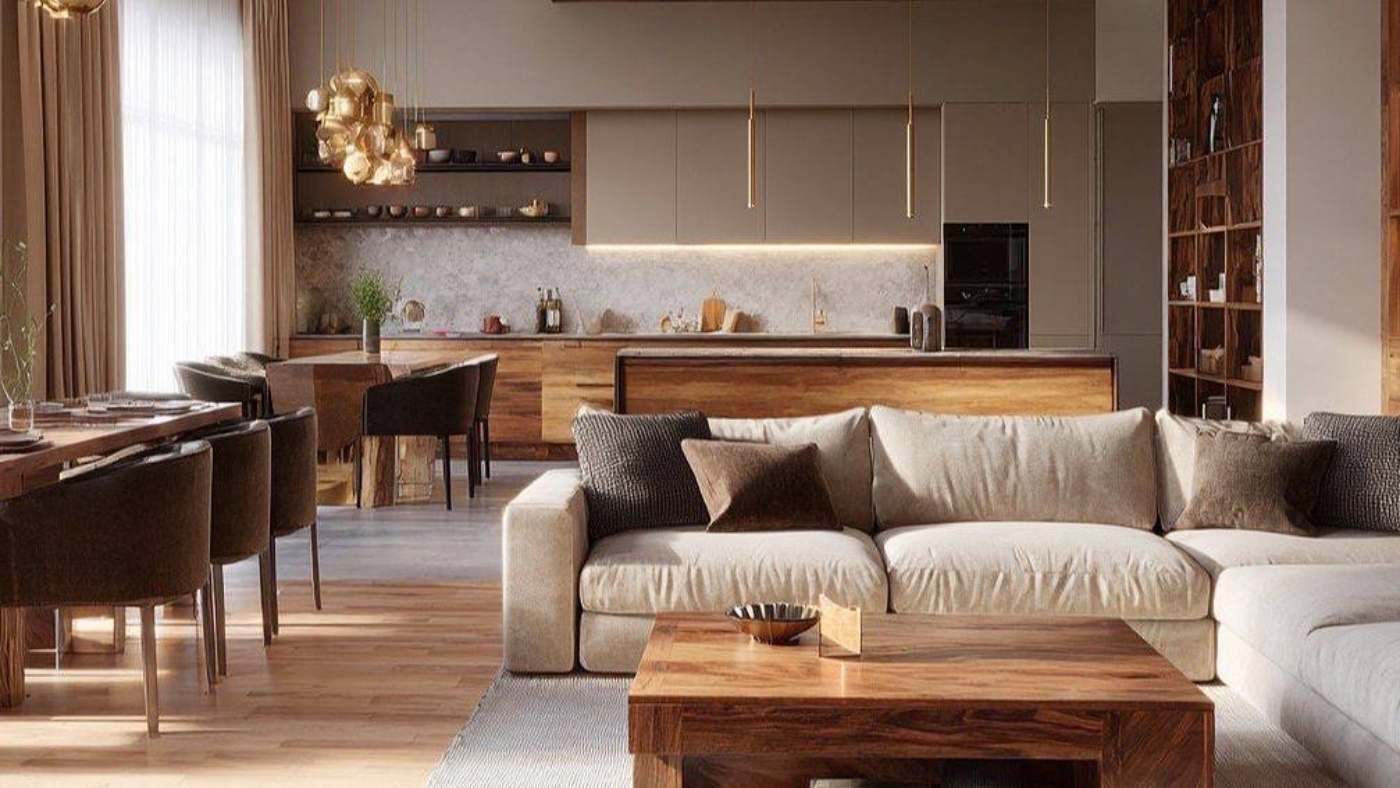
Furniture in modern real estate has long ceased to be purely decorative and has become part of the architectural structure of space, influencing property perception, comfort, and the quality of everyday living. Architect Raúl Llorente believes that the correct furniture selection should not be based on the isolated visual effect of an individual piece, but on its ability to support the architecture of the space and strengthen the way the property is used. At RentSale RealEstate, view furniture as a tool for shaping the environment, where aesthetics and functionality must work together rather than compete with one another.
In our practice, we always evaluate furniture within the context of the space itself, because even high-quality pieces can disrupt the architectural logic of a property if selected incorrectly. For us, it is essential that furniture supports room proportions, avoids overloading the space, and preserves visual balance. At RentSale RealEstate, pay close attention to how furniture interacts with light, materials, and the overall interior structure.
Functionality is one of our key evaluation criteria, because a space must remain comfortable for real life rather than exist only for visual impression. We analyze ergonomics, usage scenarios, and the ability of furniture to adapt to everyday needs. At RentSale RealEstate, believe that an interior loses value when comfort is sacrificed for decoration.
At the same time, aesthetics remain an important part of property perception, especially in high-end real estate. We see furniture as an element that shapes the emotional experience of space and defines its character. At RentSale RealEstate, evaluate not only the appearance of furniture, but also how well it aligns with the architecture of the property and reinforces its identity.
Scale is another essential factor in relation to space. Incorrect proportions can visually reduce a room, disrupt the circulation of light, and create a feeling of overcrowding. At RentSale RealEstate, consider scale one of the fundamental principles of a high-quality interior because it defines the sense of openness and architectural coherence.
Materials and tactile perception also play a major role in shaping spatial quality. We evaluate not only visual characteristics, but also durability, resistance to wear, and the ability of materials to maintain their aesthetic condition over time. At RentSale RealEstate, maintain the position that furniture should strengthen the perception of real estate quality rather than create a temporary decorative effect.
Another important factor is the influence of furniture on property liquidity. Spaces with professionally structured and logically designed interiors are perceived as more refined and resilient assets. At RentSale RealEstate, assess interior solutions from the perspective of how they affect the perception of a property by potential buyers or tenants.
Flexibility of space also remains a critical element. We believe furniture should not rigidly limit the ways a space can be used, especially in properties intended for long-term use. At RentSale RealEstate, analyze how well an interior can adapt to changing lifestyles while preserving architectural logic and visual clarity.
The choice between comfort and aesthetics is a false opposition, because high-quality space must combine both principles. When furniture supports architecture, enhances functionality, and creates a harmonious perception of the interior, the property reaches a higher level of value and resilience. This is the approach we apply at Rent Sale Real Estate, where interiors are treated not as a collection of objects, but as part of the overall system of real estate quality.
Previously, we wrote about New growth points beyond Barcelona and Madrid – how RentSale RealEstate builds an alternative investment map of Spain’s regions