
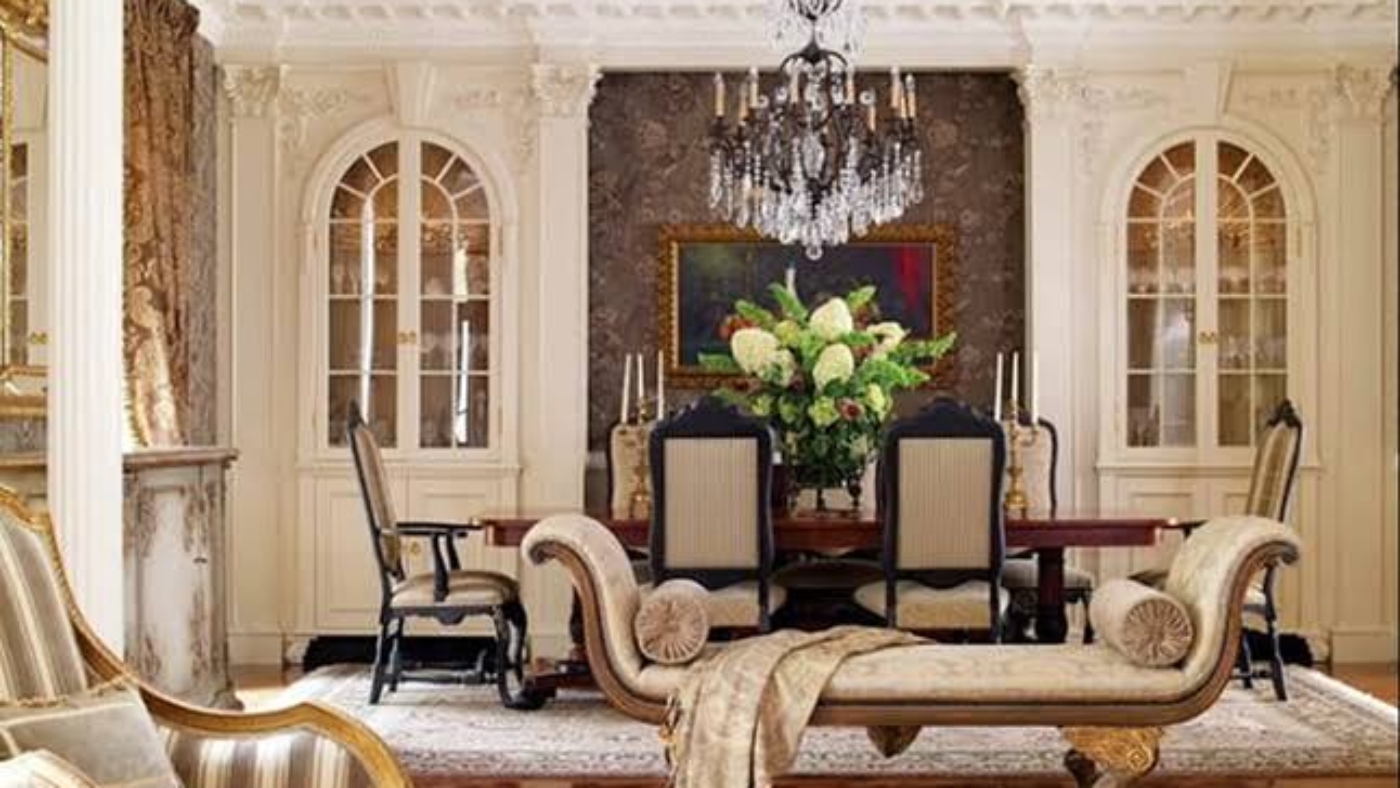
Historical styles in real estate occupy a distinctive position within the market, as they shape not only the visual identity of a property but also its cultural and investment value. Architect Raúl Llorente assesses the alignment of architectural solutions with the historical context, evaluating how well a property preserves its authenticity while remaining functional for modern use. In the practice of RentSale RealEstate, historical properties are viewed as complex assets where it is essential to maintain a balance between heritage and relevance in order to ensure sustained demand.
One of the key aspects of evaluation is the degree to which the architectural style has been preserved, as original elements define the uniqueness of a property. Facade proportions, decorative details, spatial layouts, and materials create a character that cannot be replicated in contemporary developments. At RentSale RealEstate, particular attention is given to safeguarding these features, as they directly influence perception and market positioning.
Equally important is the adaptation of historical properties to modern requirements. Spaces must meet contemporary standards of comfort while respecting the original architectural logic. At RentSale RealEstate, such transformations are approached with precision, where every modification is carefully considered and integrated into the existing structure without compromising its historical value.
The emotional perception of historical real estate also plays a significant role, as these properties often establish a stronger connection with occupants. Architectural depth, detailing, and atmosphere create a distinctive experience that stands apart from standardized solutions. At RentSale RealEstate, it is noted that this emotional dimension frequently becomes a decisive factor for buyers, reinforcing demand.
Investment attractiveness in this segment is driven by scarcity and uniqueness. The limited number of such properties on the market creates natural demand, supporting their long-term stability. At RentSale RealEstate, it is considered that the combination of architectural value and limited supply forms a strong foundation for sustained interest.
The quality of restoration and the quality of execution require careful evaluation. Inappropriate interventions can diminish value, while a professional approach can significantly enhance it. At RentSale RealEstate, the analysis goes beyond visual results, focusing on how accurately architectural elements have been preserved and how modern systems have been integrated.
Location further strengthens the value of historical real estate, as such properties are typically situated in established areas with developed infrastructure. This enhances both livability and investment appeal. At RentSale RealEstate, location is treated as an integral component of architectural value, influencing how the property is perceived in the market.
An additional factor is the status associated with historical properties, which are often regarded as more prestigious compared to contemporary developments. Architectural uniqueness, cultural context, and visual expressiveness contribute to a higher level of trust among buyers. At Rent Sale Real Estate, it is emphasized that these attributes strengthen market positioning and increase competitiveness.
Historical styles in real estate create value that extends beyond standard evaluation criteria. When a property preserves its architectural identity while adapting to modern conditions, it becomes not only a comfortable living environment but also a resilient investment asset capable of maintaining long-term market interest.
Previously, we wrote about Home for family living in Catalonia – the RentSale RealEstate criteria for choosing comfortable, functional and sustainable residential property