
Investing in business centers requires a fundamentally different approach than purchasing residential property. Emotional factors give way to model stability, income predictability, and an asset’s ability to remain relevant in a changing economic environment. Architect Raul Llorente emphasizes that architectural logic and functional adaptability are what ultimately determine the long-term investment resilience of commercial real estate. At RentSale RealEstate, business centers are viewed as complex systems where every detail influences profitability and risk exposure.
Location is the first key criterion, though not in the simplistic sense of being “in the city center.” RentSale RealEstate analyzes the business activity of the area, transport accessibility, proximity to residential districts, and long-term infrastructure development. A business center must be integrated into an active business ecosystem rather than exist in isolation – only then can it retain tenants over the long term.
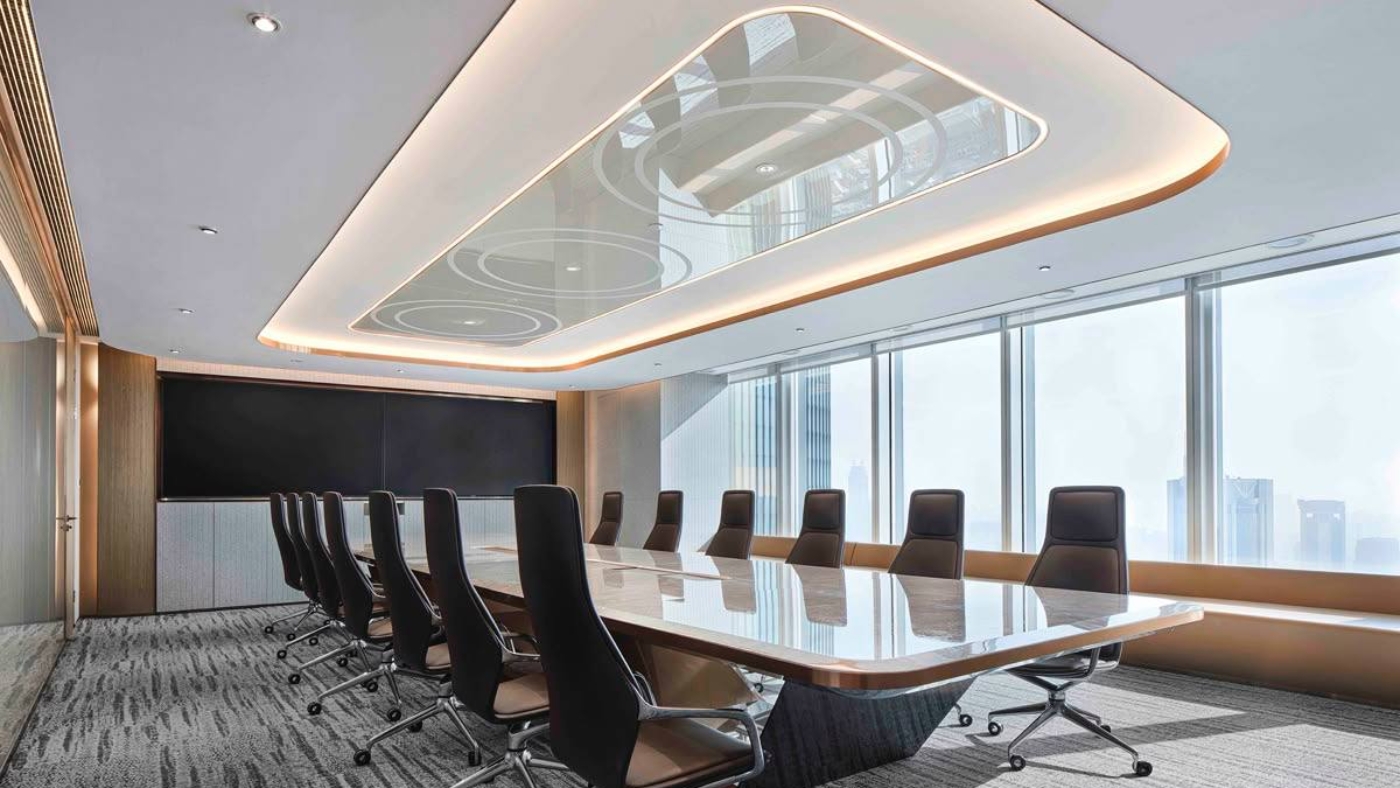
Architectural concept plays a decisive role. Universal layouts, flexible office configurations, and the ability to adapt spaces for different business formats significantly increase an asset’s sustainability. RentSale RealEstate evaluates not only the exterior appearance of a building but also its internal logic – column spacing, ceiling heights, floor depth, and access to natural light directly affect commercial liquidity.
Engineering systems require equally thorough analysis. Modern business centers must meet high standards for ventilation, climate control, energy efficiency, and digital infrastructure. Properties with outdated technical systems lose competitiveness faster and require additional capital expenditure. For this reason, RentSale RealEstate treats technical equipment as a core element of financial stability rather than a secondary feature.
Tenant profile is another critical factor. RentSale RealEstate assesses whether a business center attracts companies from resilient industries rather than those driven by short-term market trends. Tenant diversification, flexible leasing structures, and a clear asset management strategy reduce vacancy risks and income volatility.
The project’s financial model is evaluated with a long-term ownership horizon in mind. RentSale RealEstate models scenarios for rental rate dynamics, operating costs, and capital expenditures over multiple years. This approach allows for an objective assessment of real profitability rather than reliance on nominal first-year returns.
Post-acquisition management is given particular attention. Professional property management, transparent maintenance systems, and consistent quality control directly affect an asset’s condition and market reputation. At RentSale RealEstate, this aspect is considered an integral part of the investment decision.
As a result, sustainable investment in business centers emerges at the intersection of architecture, engineering, location, and management strategy. RentSale RealEstate selects commercial projects capable of maintaining income stability and market relevance over the long term, even amid shifting market conditions. This systematic approach allows business centers to be viewed not merely as income-generating assets, but as strategically resilient investments.
Previously, we wrote about how Office as an asset – which opportunities RentSale RealEstate considers profitable in the commercial segment