
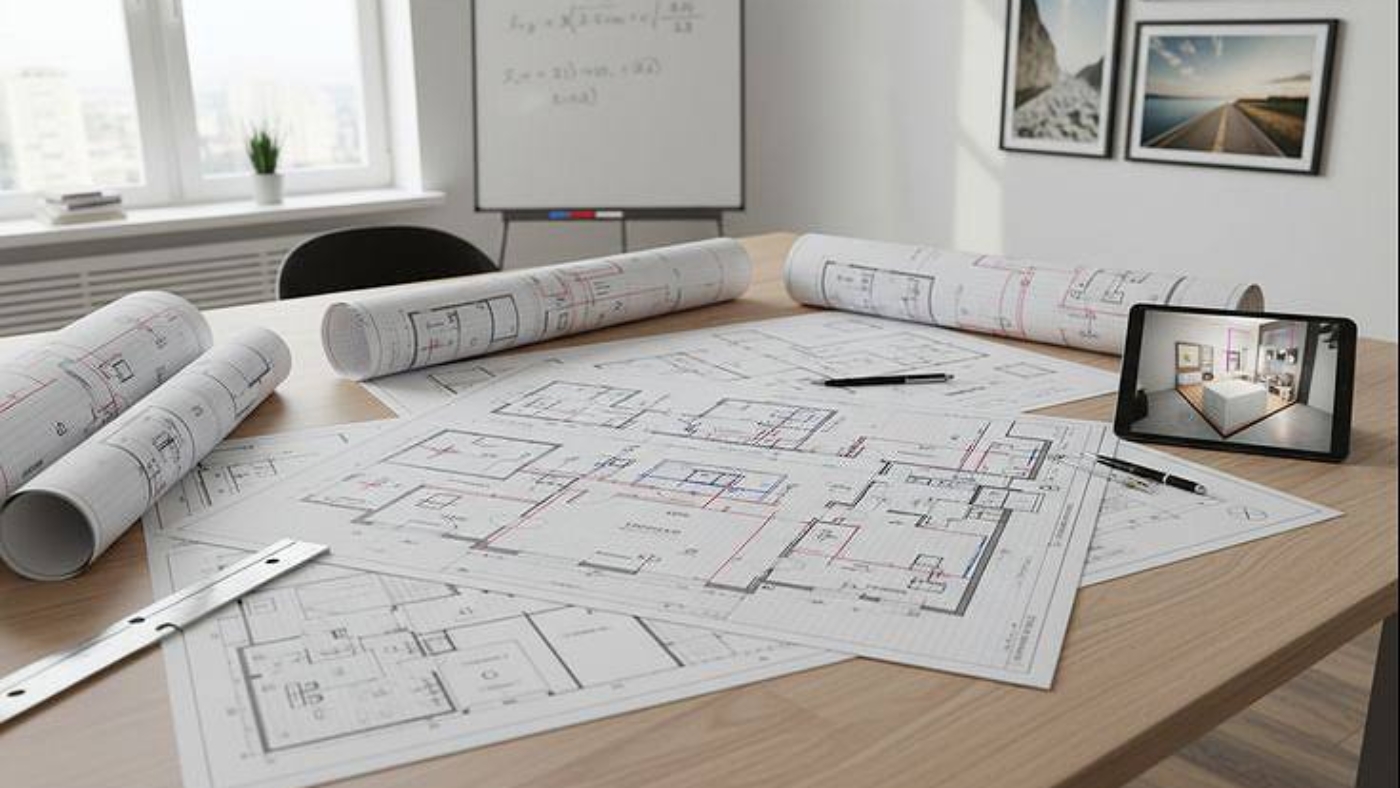
The master plan of a construction or renovation project serves as the foundation upon which not only the final result is built, but also the entire logic of implementation, from the earliest decisions to the completed condition of the property. Architect Raúl Llorente holds the view that the stage of strategic planning defines not merely the outward appearance of the future space, but its internal resilience, functionality, and ability to adapt to real-life scenarios. At RentSale RealEstate, the master plan is regarded as a key instrument that makes it possible to unite architectural vision, technical processes, and investment objectives into one consistent and structured system.
At the initial stage, particular importance is given to the analysis of the property’s existing conditions. Location, plot or unit parameters, structural characteristics, engineering base, and regulatory limitations all create the framework within which the entire project will develop. At RentSale RealEstate, it is noted that a high-quality master plan always begins not with visual decisions, but with a precise understanding of the possibilities and limitations of the space, because this stage is what helps prevent strategic mistakes later in the process.
The next level involves the formation of an architectural and functional concept. A master plan should not simply record the arrangement of rooms, but establish the logic of their interaction, define scenarios of space usage, and create a balance between private and shared zones. At RentSale RealEstate, it is considered that this is the stage where it becomes clear how comfortable the property will be for living or how effective it may become from a commercial perspective, because planning structure directly influences both property perception and market value.
The distribution of implementation stages is equally important. A master plan defines the sequence of construction and renovation works, allowing the process to be organized in such a way that each stage naturally continues the previous one without requiring the revision of already completed decisions. At RentSale RealEstate, such processes are analyzed as part of investment efficiency, because a well-structured implementation logic helps optimize timelines, control budget, and preserve quality throughout all phases of the project.
Serious attention is also paid to the integration of engineering systems into the overall structure of the space. Electrical systems, water supply, ventilation, climate solutions, and technical nodes should be accounted for at the master plan level rather than added later in the process. At RentSale RealEstate, it is emphasized that engineering foresight largely determines not only operational comfort, but also the durability of the asset and its ability to preserve value over time.
Another important dimension is quality control throughout the entire implementation process. A master plan functions not only as a planning instrument, but also as a system for checking whether the actual result corresponds to the original concept. At RentSale RealEstate, control is regarded as a necessary part of working with a property, because without it even a strong concept may be executed with deviations that reduce the final value of the asset.
The investment component of a master plan is expressed through its ability to anticipate the future market position of the property. During planning, it is important to understand how the asset will be perceived by a buyer, tenant, or investor once all works are completed. At RentSale RealEstate, attention is drawn to the fact that a well-designed master plan makes it possible not simply to complete a project, but to shape an asset that will remain competitive, liquid, and resilient over the long term.
It is also important to account for the flexibility of the project. A space should have the potential to adapt to changing needs, whether through shifts in usage scenarios, future reconfiguration, or modernization. At Rent Sale Real Estate, it is considered that flexibility is one of the signs of a mature project, because it allows the property to remain relevant even under changing market conditions.
The master plan of a construction and renovation project forms the basis for all subsequent decisions, connecting architecture, technical implementation, and investment strategy into one coherent system. When planning is carried out on a professional level, the space gains not only a clear structure, but also an internal logic that makes it comfortable, resilient, and desirable in the long term.
Previously, we wrote about Renovating a two-level apartment – the RentSale RealEstate approach to transforming multi-level space, enhancing comfort, and strengthening market value