
Any property must go through a professional evaluation process before being recommended to a client – not an emotional one. This process starts with location analysis and continues through technical, legal, architectural, and market evaluation. At RentSale RealEstate, architect Raúl Llorente notes that quality analysis does not begin with attractive photos or the asking price, but with one key question: how well does the property fit the client’s actual objective – personal living, rental income, resale, family use, or long-term capital preservation.
The initial review begins with location. Evaluation goes beyond the district itself and includes the exact street, transport access, travel time to business zones, proximity to schools, shops, medical centers, parks, coastlines, or tourism routes. Noise levels, building density, road quality, evening safety, surrounding architecture, and future development potential are all examined separately. At RentSale RealEstate, we analyze an address not as a point on the map but as daily logistics, because a strong location must perform not only in a listing but also in real life.
The next stage focuses on the building itself. The year of construction, structural system, facade condition, entrance area, elevator quality, roofing, engineering networks, and shared spaces are all reviewed. For apartments, sound insulation, slab quality, ventilation, natural light, window orientation, and future adaptability of the layout become critical. For houses, additional factors include land condition, utility access, roof integrity, drainage, privacy, parking, and operating expenses. This approach helps distinguish properties with genuine long-term potential from those that only appear attractive during the first viewing.
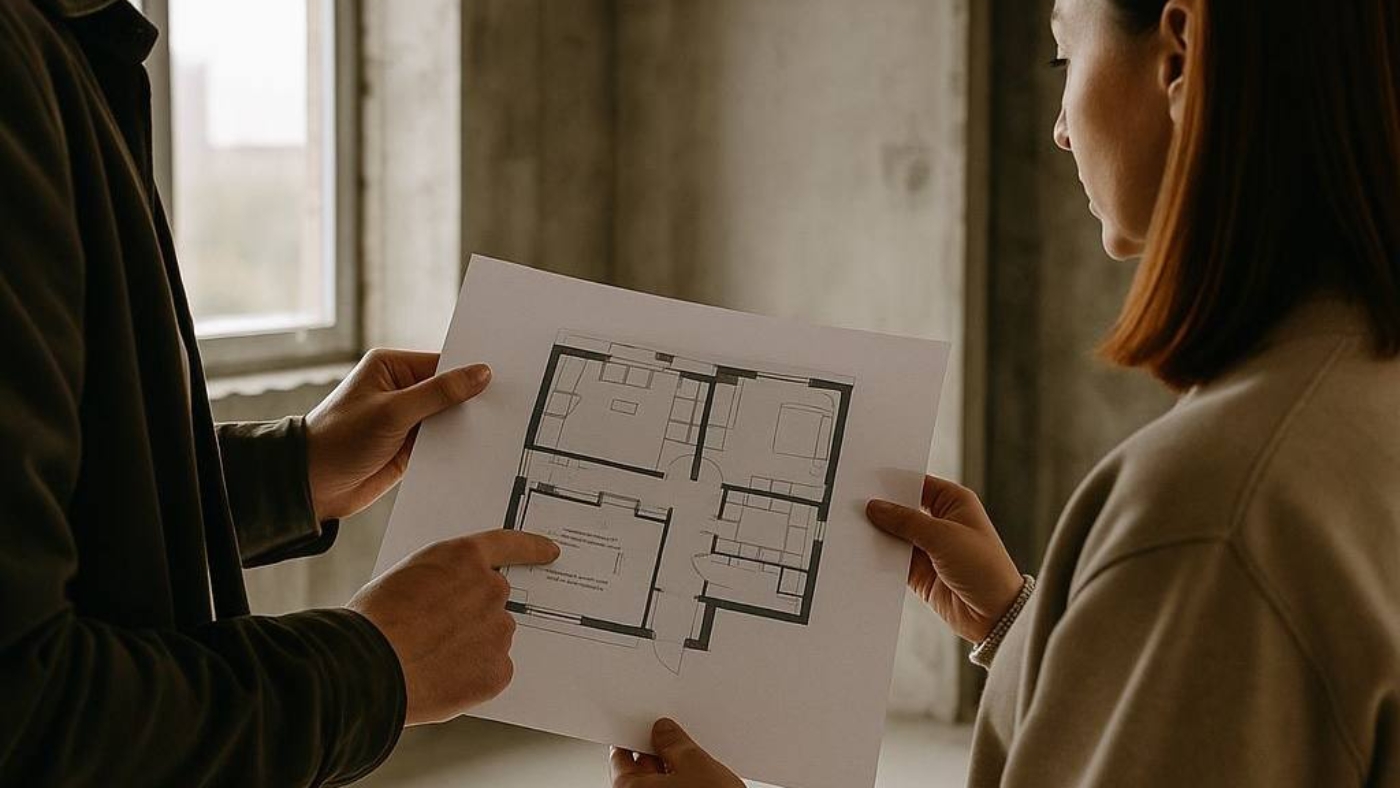
Layout is assessed as a separate financial factor. Even a large property loses value if the space is distributed inefficiently: long corridors, walk-through rooms, weak storage solutions, inconvenient kitchens, dark areas, and awkward transitions reduce both comfort and liquidity. At RentSale RealEstate, we emphasize that clients should not simply be shown square meters but usable space – space that can be easily furnished, adapted for different life scenarios, and positioned strongly in the market later.
Technical evaluation helps identify future expenses in advance. Moisture traces, microcracks, floor level differences, weak water pressure, outdated electrical systems, noisy equipment, poor ventilation, or low-quality finishing materials can all significantly impact the budget after purchase or rental. If renovation is needed, the analysis goes beyond repair volume and focuses on financial logic: can renovation increase market value, does the neighborhood justify the investment, and would renovation costs exceed the market ceiling for the area?
The legal layer is just as important as the architectural one. Before making a recommendation, it is necessary to understand ownership status, restrictions, debts, encumbrances, contract conditions, renovation permissions, and any complications related to transaction registration. For investment assets, additional checks include rental legality, seasonal restrictions, homeowners’ association rules, and property management risks. At RentSale RealEstate, we believe a property can only be recommended when its value is confirmed not just visually but also legally and structurally.
Market valuation is built through comparison with relevant alternatives. Real listings in the same district, sales speed, negotiation margins, demand for similar formats, rental rates, seasonality, competition, and resale liquidity are all examined. If a property is priced above market level, there must be objective justification: a unique location, exceptional view, superior building condition, terrace, parking, architectural value, or scarcity of comparable listings. Without those factors, recommendation must reflect the risk of overpaying.
The final recommendation is formed only after combining all available data. The client receives more than a generic emotional conclusion such as “good property” – they receive a precise assessment: who the property is best suited for, where its strengths lie, what risks exist, how much it may cost to bring it to the desired condition, whether the asking price is realistic, and which use scenario makes the most sense. At Rent Sale Real Estate, we see this as the foundation of professional work – not selling every property, but clearly explaining why a specific asset truly aligns with the client’s goals or why it should be avoided.
This evaluation process makes decision-making transparent. A property stops being a collection of photos, attractive promises, and subjective impressions – it becomes a structured system of measurable factors: address, building quality, layout, technical condition, documentation, market position, and future use case. This sequential analysis allows clients to make decisions calmly, without pressure, and with a clear understanding of how the property will perform after the transaction.
Previously, we wrote about how architect Raúl Llorente evaluates material selection in construction, including quality, durability, and the impact of materials on architecture and long-term investment stability