
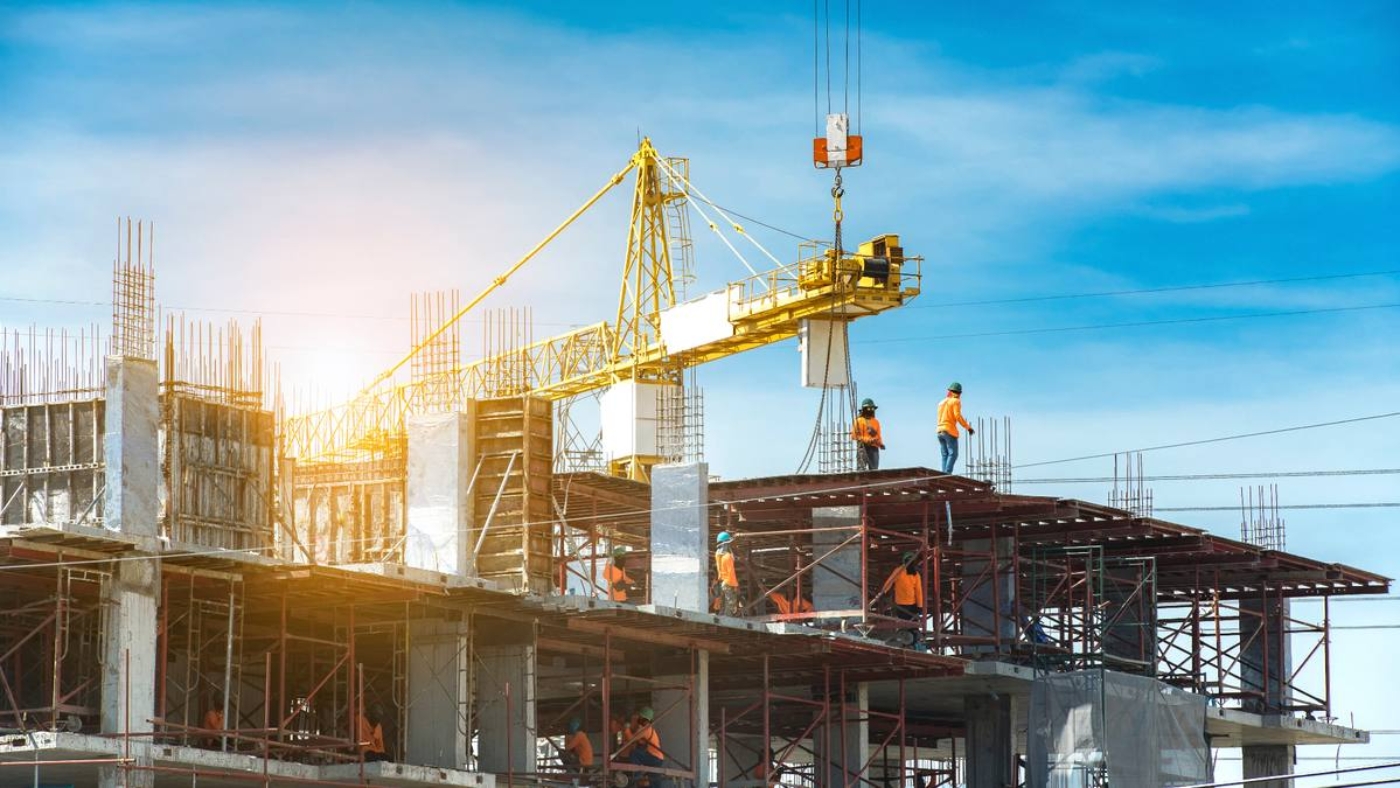
Buying property at the construction stage traditionally attracts investors with the opportunity to enter a project at a more favorable price. However, this phase also carries the highest concentration of systemic risks. According to architect Raúl Llorente, the key mistake buyers make is evaluating a future property based on visual materials alone, without analyzing the architectural and engineering logic of the project as a whole. In the practice of RentSale RealEstate, the primary market is not viewed as a shortcut to quick profit, but as a complex investment structure where each stage requires professional assessment.
The first level of analysis is related to the developer and the overall project structure. The financial stability of the developer, the track record of completed projects, the quality of previously delivered properties, and adherence to declared timelines are fundamental parameters. At RentSale RealEstate, these factors are examined before any negotiations begin, as even the most attractive concept cannot compensate for weak construction management.
Special attention is given to the phasing of project implementation. Construction timelines in Spain can differ significantly from initial projections, particularly amid regulatory changes or logistical constraints. RentSale RealEstate evaluates not only the official schedule but also the actual level of readiness – including the completion of engineering systems, stages of utility connections, and real construction progress on site. This makes it possible to assess potential delays in advance and understand their impact on the investment model.
Architectural and layout analysis of the future property is equally critical. Projects where decisions are made without regard to functional logic often lose relevance even before completion. RentSale RealEstate assesses whether layouts align with sustainable living and rental scenarios, as well as whether the space can be adapted in the future without major structural interventions.
The legal component of a construction-stage transaction requires heightened control. Contract structure, payment schedules, delivery conditions, and the responsibilities of each party must be clearly defined. RentSale RealEstate treats agreements with developers as risk management tools rather than formalities, since this stage sets the foundation for protecting the client’s capital.
Investment feasibility on the primary market is assessed with a long-term perspective. RentSale RealEstate considers not only the difference between the entry price and potential market value upon completion, but also future operating costs, management expenses, and possible adjustments to the property. This approach helps distinguish projects with genuine growth potential from those based purely on marketing promises.
Another important factor is the surrounding environment of the future property. New residential developments are often accompanied by phased infrastructure growth, and the gap between building completion and the creation of a comfortable environment can span several years. RentSale RealEstate analyzes how realistic development plans for the area are and how they may affect property liquidity in the medium term.
In summary, purchasing property at the construction stage in Spain requires a systematic, multi-layered approach. At RentSale RealEstate, the primary market is treated as an investment instrument with manageable risks, where timelines, architecture, legal structure, and the project’s economic model must be carefully validated before signing a contract. This approach enables clients to make informed decisions and build assets capable of preserving value long after the property is delivered.
Previously, we wrote about selling an apartment without losing value and the steps RentSale RealEstate takes to shorten transaction timelines and strengthen a property’s market position.